

Key Takeaways:
- IRDAI proposes digital motor insurance purchasing options to lower surging dealer commissions.
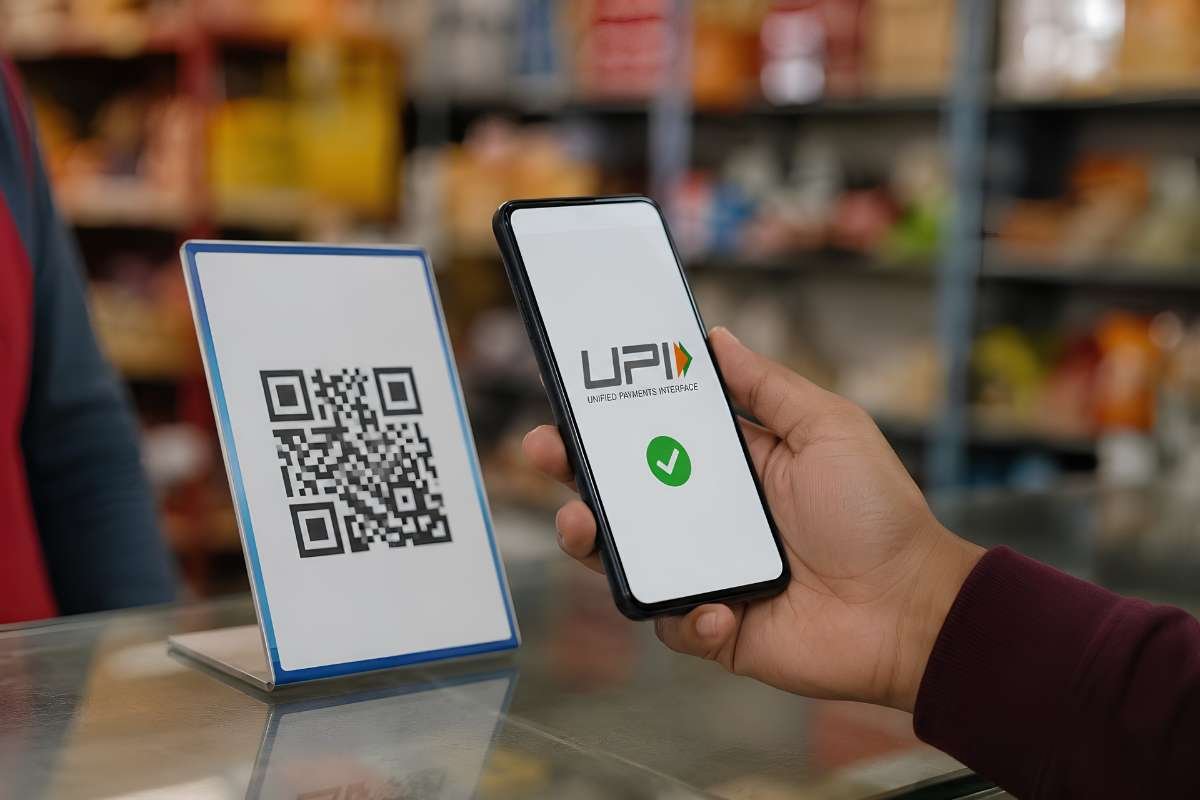
- New-car buyers could scan QR codes to buy policies via Bima Sugam.
- Dealers must provide cashless repairs even if buyers select outside insurance policies.
India’s insurance regulator proposes IRDAI motor insurance rules covering digital purchases for new-car buyers, tighter dealer rules and lower commissions to improve distribution transparency and consumer choice.
The Insurance Regulatory and Development Authority of India, or IRDAI, outlines the proposed reforms in a consultation paper addressing the economics of insurance distribution. The proposals are not final rules, and the regulator has invited feedback from stakeholders.
IRDAI motor insurance rules target rising motor insurance commissions
IRDAI’s proposals follow a sharp rise in motor insurance commissions between financial years 2023 and 2025. Motor insurance premiums increased by around 34%, while commissions rose by approximately 259%, according to the regulator’s consultation paper.
The average motor insurance commission reached around 24% in FY25, although rates ranged from 13% to 50%. Original equipment manufacturer brokers and Motor Insurance Service Providers accounted for approximately 30% of the motor insurance market.
These distributors generated around ₹29,000 crore in premiums and received nearly ₹7,050 crore in commissions during FY25. For new vehicles, OEM brokers earned an average commission of 27%, while MISPs received approximately 38%.
IRDAI has also identified third-party insurance for new vehicles as a “nil-effort product,” because vehicle registration requires proof of insurance. The regulator similarly classifies own-damage and comprehensive insurance for new vehicles as low-effort products.
New-car buyers could access insurance through digital platforms
Under the proposed IRDAI motor insurance rules, motor insurance products for new and existing vehicles would need to be available through Market Infrastructure Institution platforms, including Bima Sugam.
For new-vehicle customers, dealers would need to prominently display an option to purchase insurance through these platforms. The proposal includes a QR code that customers could scan to access the digital platform, along with a requirement that dealers inform buyers about the option.
The move would introduce a formal digital purchase route alongside existing dealer-based insurance sales. IRDAI also proposes that not-for-profit platforms created by one or more insurers charge a platform fee of no more than 5% of the premium to recover operating costs.
The consultation paper does not establish that customers must purchase insurance through a digital platform. Instead, it proposes a visible alternative during the new-vehicle buying process.
Dealer rules could change insurance sales and repair access
IRDAI proposes a clearer distribution framework for motor dealers that sell insurance. Dealers meeting the requirements for an Insurance Distribution Entity would need to register as IDEs, allowing qualifying brokers to offer policies from multiple insurers.
Dealers that do not meet the IDE structure would need to operate as Points of Sale Persons under an IDE or become associates of a single insurer, according to the consultation paper.
The regulator also proposes restrictions on arrangements between motor dealers, vehicle manufacturers and insurance distribution entities when those arrangements conflict with policyholder interests. The paper specifically addresses service-level agreements and performance-linked incentives connected to insurance sales.
A separate proposal would protect customers who purchase insurance outside the dealership. Motor dealer IDEs and PoSPs would not be allowed to deny cashless repair services solely because a customer bought the policy from another provider.
IRDAI also proposes sharing customers’ mobile numbers with the Public Insurance Registry. The number would need to match the details submitted to transport authorities for vehicle registration, allowing the registry to validate it against the VAHAN system and send a post-event message about fulfilment of the proposed obligations.
The regulator’s proposals also address mandatory third-party motor insurance commissions. The consultation paper states that average commissions for third-party insurance increased from 4.3% in FY23 to 22% in FY25.
For buyers, the most direct potential change under the proposed IRDAI motor insurance rules is a formal digital insurance purchase option when purchasing a new vehicle. However, the impact on dealer sales practices, commission structures and consumer access will depend on the final framework.
IRDAI is seeking stakeholder comments before finalising the proposed reforms. The consultation proposals do not yet constitute binding rules.