


Key Takeaways
- UPI charges for payments up to ₹2,000 will remain zero for users.
- Larger merchant payments could face MDR after the final framework.
- UPI processed 24.51 billion transactions worth ₹29.82 trillion in August.
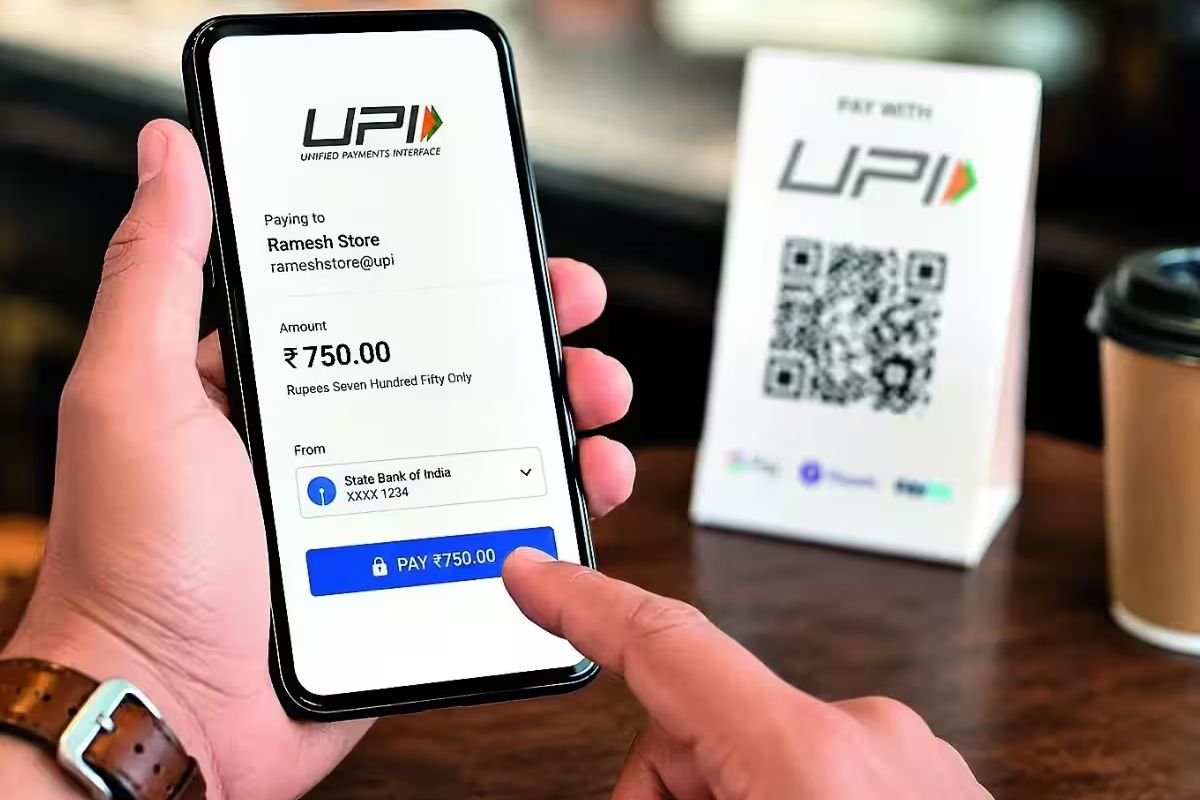
The government has clarified that UPI ₹2,000 charge rules will keep transactions up to ₹2,000 free, while larger merchant payments could face charges under a future merchant discount rate framework.
The notification does not set an MDR rate for UPI payments above ₹2,000. The National Payments Corporation of India is expected to issue the operational framework, including details on how any charges would apply.
UPI charges above ₹2,000
The government notification protects UPI payments up to ₹2,000 from the UPI ₹2,000 charge imposed by banks or system providers. It also covers the person making or receiving the specified electronic payment.
For transactions above ₹2,000, the notification leaves room for future UPI charges under an MDR system. However, merchants will not immediately face a new charge simply because a payment exceeds the threshold.
The actual UPI charges, transaction categories, and implementation process are yet to be announced. A committee involving NPCI and other stakeholders is expected to determine the operational details.
UPI has operated without MDR since January 2020. The system was kept free to support wider digital payment use across India.
The potential change is relevant for businesses because merchant payments account for a significant share of UPI transaction value. Data from CareEdge showed that peer-to-merchant payments represent around 29% of total UPI transaction value.
More than 67.2% of peer-to-merchant transaction value is above ₹2,000. This means a large share of the value flowing to merchants could fall within the category that may face MDR under the future framework.
For entrepreneurs and business owners, the final MDR rate will determine the direct cost of the UPI ₹2,000 charge for eligible transactions. The effect will also depend on which merchants and payment categories are included.
UPI ₹2,000 charge could create revenue opportunity for industry
UPI processed 24.51 billion transactions worth ₹29.82 trillion in August. The payment system has become a major part of India’s retail digital payment activity.
The scale of transactions means even small UPI charges on eligible merchant payments could generate significant revenue for banks and payment companies.. An estimate published in August placed the potential annual MDR revenue for the payments industry at ₹5,000 crore to ₹10,000 crore.
The proposed structure is expected to place any MDR on merchants rather than consumers. However, the government has not announced a final rate or confirmed how merchants would absorb the additional cost.
RuPay debit cards have a separate provision in the notification. Unlike UPI, the protection for RuPay-powered debit cards does not include a ₹2,000 transaction limit. The notification identifies these debit card payments as a specified electronic mode that banks and system providers cannot charge.
The development also affects major payment platforms that process UPI transactions for merchants. PhonePe and Google Pay together account for around three-fourths of monthly UPI transaction volumes.
The government has indicated that most merchant transactions should remain outside any future fee structure. The final operational framework will determine the number and type of transactions that qualify for MDR.
For Indian businesses, the immediate position remains unchanged for UPI payments up to ₹2,000, while the UPI ₹2,000 charge could affect larger merchant payments after the MDR framework is finalised.

