

India bursts with wild energy from the tribes in India. Picture fierce warriors dancing under monsoons, painting forests alive, and brewing secret brews that taste like adventure. Tribes in India hide in hills and jungles, guarding stories older than empires. They laugh at city suits while weaving magic from bamboo and dreams.
You think life’s a grind?
Tribes in India prove humans can rock nature’s rhythm. Dive in, feel the beat that pulses through every corner of this land. Get pumped to honor these badasses who keep India’s soul kicking!
What Are Tribes?
Tribes in India form close-knit groups bound by blood, language, and land. They live simply, often in forests or hills, sharing food, songs, and spirits. Governments call them Scheduled Tribes, 705 groups strong.
These folks hunt, farm, and dance to nature’s drum. They shun big cities for village vibes where elders rule with wisdom. Indian Tribes mix animism, ancestor worship, and bold rituals that scream survival.
No fancy malls here, life spins around community feasts and starlit tales. This raw bond makes the tribes in India the heartbeat of ancient ways.
How Many Tribes Are in India?
India has more than 700 officially recognized Scheduled Tribes. Together, they form over 8.6% of the country’s population. Tribes in India show wide diversity across states, climates, and cultures. Some states have tribal communities as a majority, while others have smaller groups spread across districts.
States With the Largest Tribal Population (Percentage)
| State | Tribal Population % |
| Mizoram | 94% |
| Nagaland | 86% |
| Meghalaya | 86% |
| Arunachal Pradesh | 68% |
| Chhattisgarh | 32% |
| Jharkhand | 26% |
| Odisha | 23% |
| Madhya Pradesh | 21% |
These numbers show how deeply Tribes in India shape regional identity, food habits, festivals, and local governance.
Famous Indian Tribes in India
1. Gond Tribe
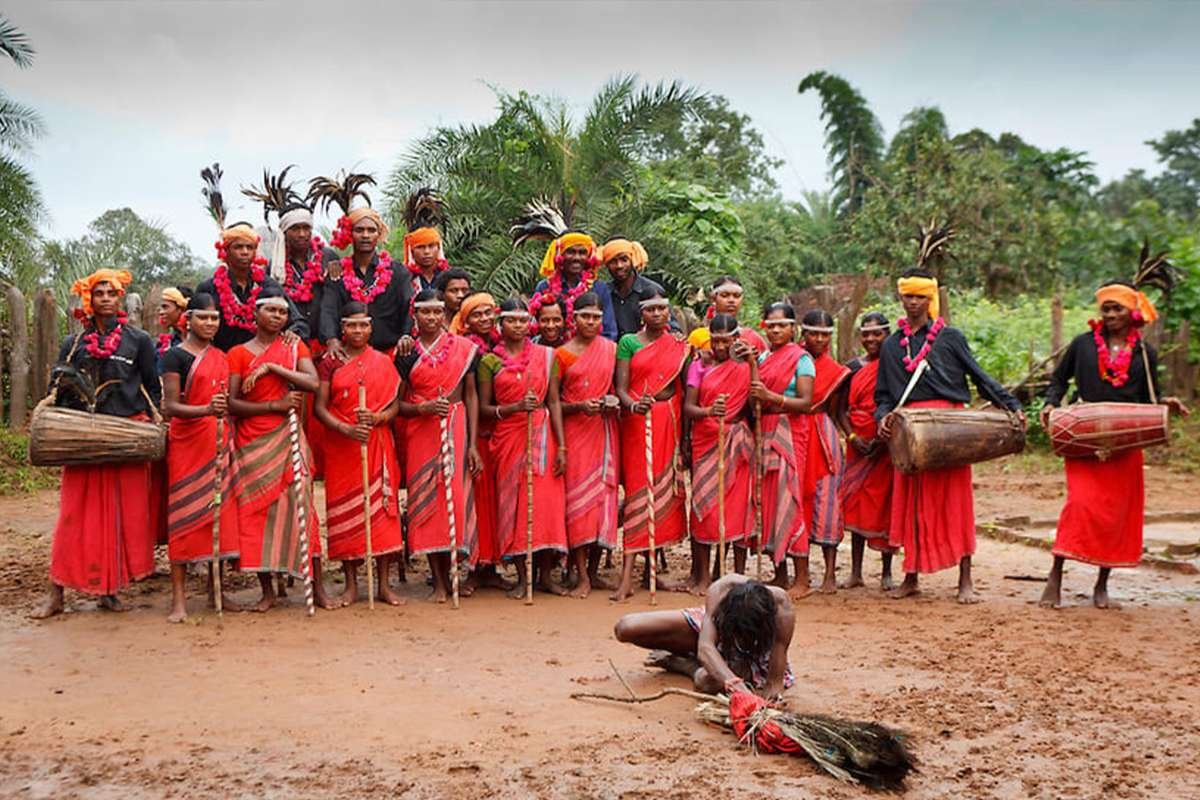
➭ History: The Gond tribe is one of the oldest and largest Tribes in India. Their roots go back thousands of years in central India, especially in Madhya Pradesh, Chhattisgarh, Maharashtra, and parts of Odisha. In the past, the Gonds ruled large forest regions and formed powerful kingdoms such as Gondwana. They had their own kings, forts, and systems of administration. British rule weakened their power, but their identity and pride survived through stories and traditions.
➭ Culture: Gond culture is deeply connected to nature. Trees, rivers, animals, and the sky hold spiritual meaning in their daily life. Gond painting is world-famous. It uses bright colors, dots, and flowing lines to show stories of gods, animals, forests, and village life. Music and dance play an important role in celebrations, farming seasons, and social gatherings. Community living and mutual support shape their lifestyle.
➭ Traditions: Gond traditions revolve around festivals, farming cycles, and ancestor worship. Important festivals include Madai and Karma, where people dance, sing, and thank nature for harvests. Elders guide social decisions, and respect for age holds high value. Marriage rituals remain simple but meaningful. Oral storytelling keeps its history alive and passes wisdom to the next generation.
2. Santhal Tribe
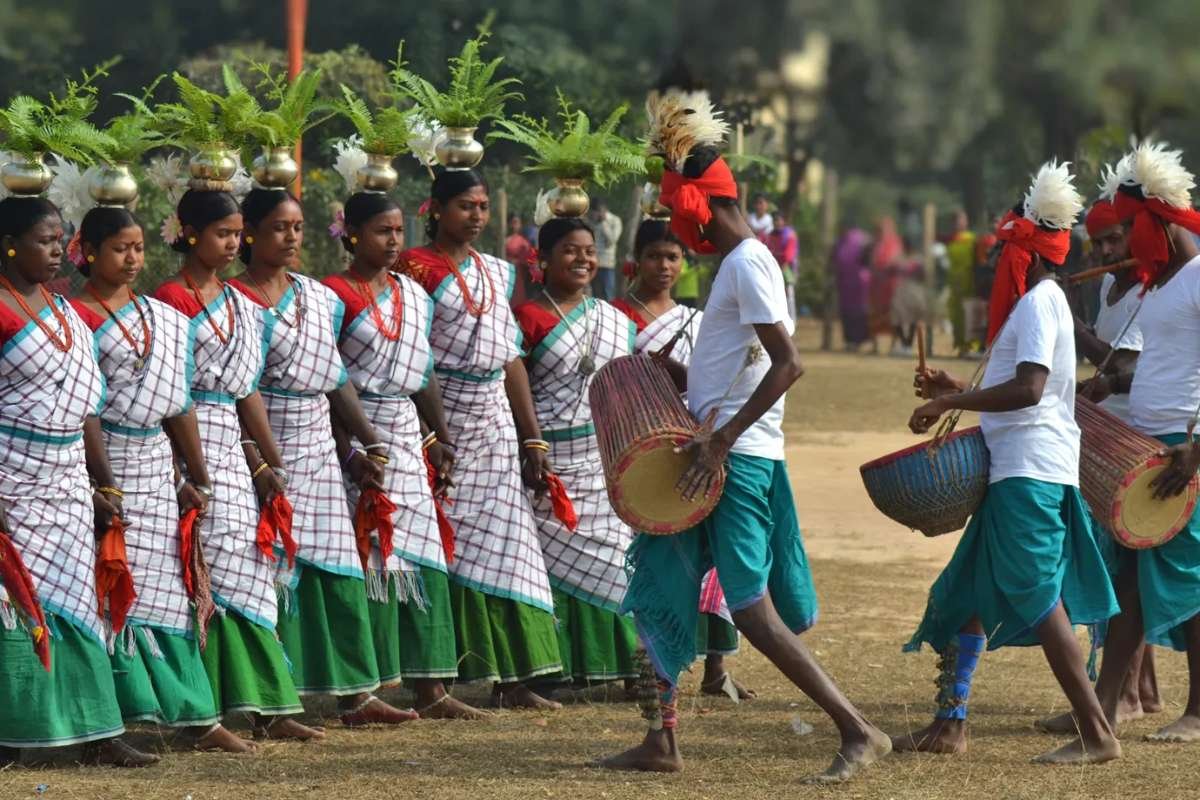
➭ History: The Santhal tribe mainly lives in Jharkhand, Odisha, West Bengal, and Bihar. Their history includes a strong fight for land and dignity. The Santhal Rebellion of 1855 stands as a major uprising against British rule and unfair landlords. This event shaped their identity as brave and united people. Even today, stories of resistance remain central to Santhal memory.
➭ Culture: Santhal culture focuses on simplicity, honesty, and group life. Farming forms the base of their economy, supported by forest resources. Music holds special importance. The beat of drums brings people together during festivals and ceremonies. Their dances often happen in large groups, showing unity and joy. Language and songs help preserve their identity.
➭ Traditions: Santhal traditions follow nature’s rhythm. Festivals like Sohrai and Baha celebrate harvest and flowers. Houses are decorated with mud art and symbols of protection. Marriage ceremonies involve music, dance, and community blessings. Elders act as storytellers, keeping history alive through spoken words instead of written books.
3. Bhil Tribe
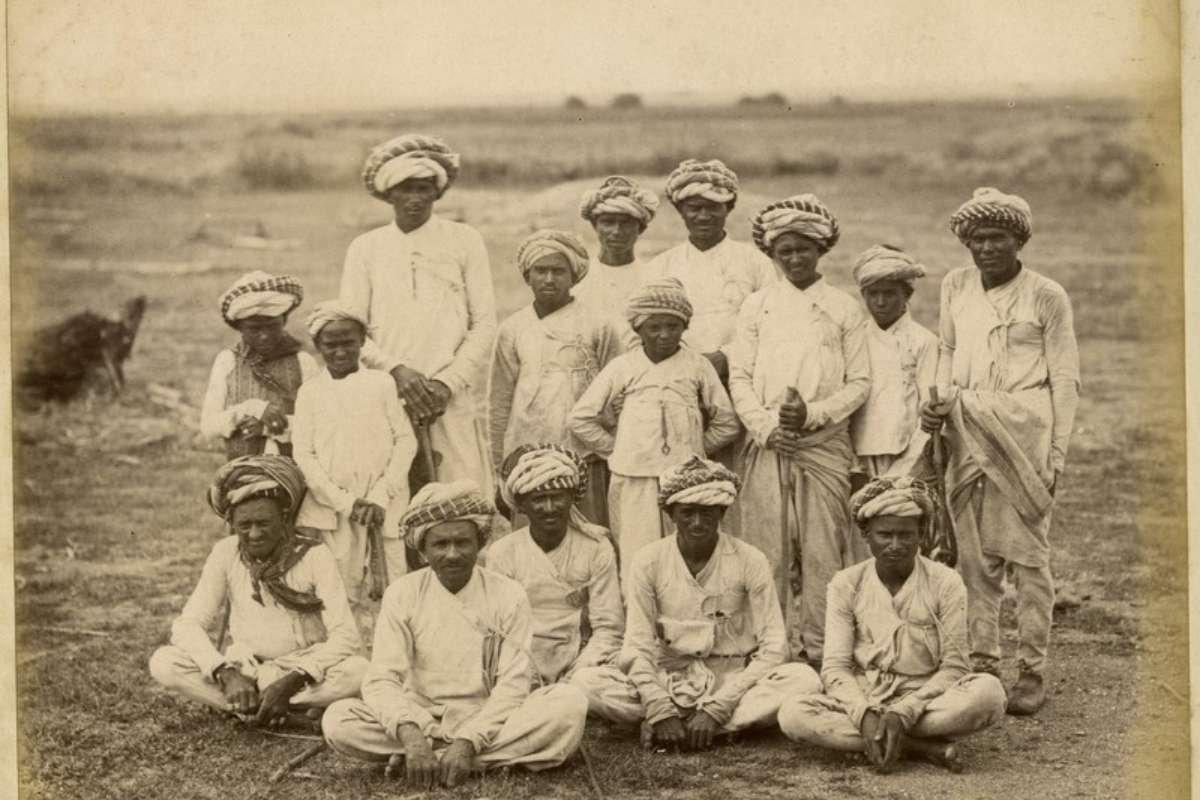
➭ History: The Bhil tribes in India are one of the oldest tribal groups in western India. They mainly live in Rajasthan, Gujarat, Madhya Pradesh, and Maharashtra. Historically, Bhils were forest warriors and expert archers. They resisted foreign rulers and protected forest lands. Their courage made them respected fighters, even recruited by rulers in earlier times.
➭ Culture: Bhil culture reflects freedom and strength. Clothing uses bright colors, mirrors, and simple patterns. Folk songs express love, bravery, and life struggles. Music instruments like drums and flutes are played during festivals and weddings. Art often shows animals, hunting scenes, and village life.
➭ Traditions: Bhil traditions focus on community bonding. Festivals like Bhagoria joyfully celebrate love and marriage. Nature worship remains strong, with hills and trees seen as sacred. Marriage customs are simple and community-driven. Dance and music stay central to every important life event.
4. Toda Tribe
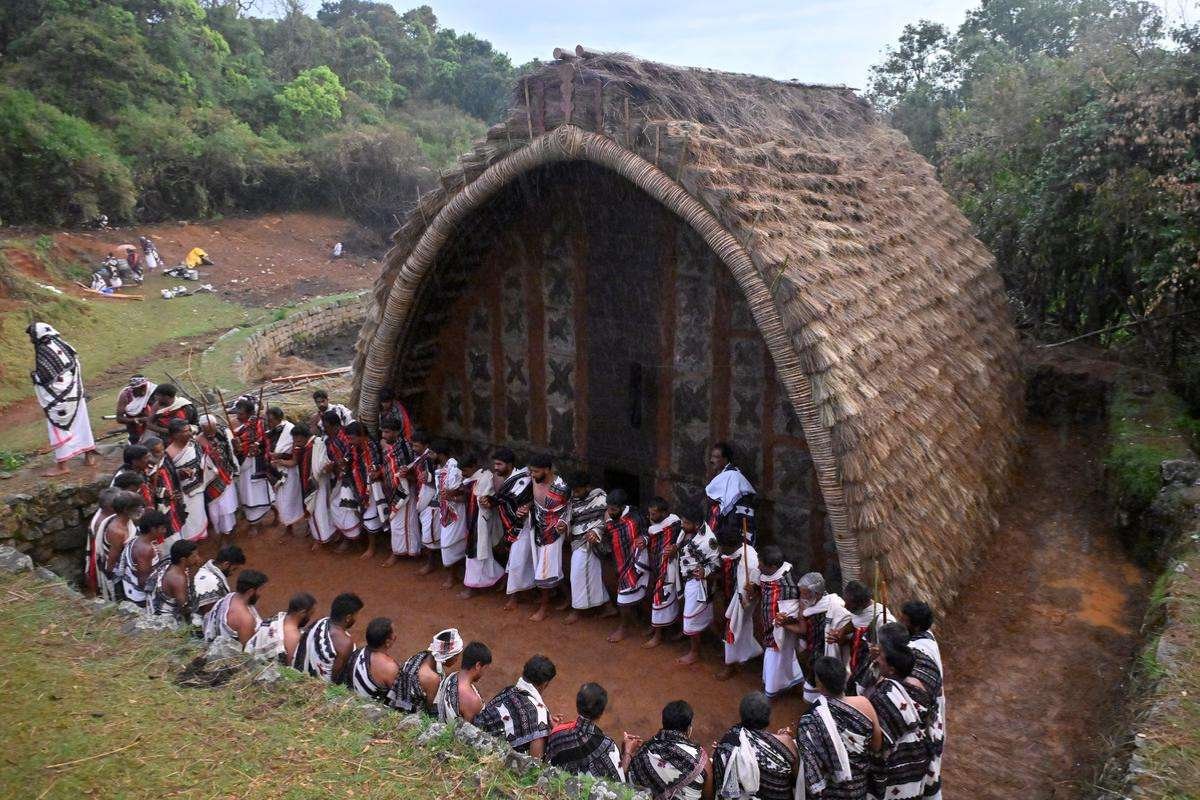
➭ History: The Toda tribe lives in the Nilgiri hills of Tamil Nadu. They are a small but unique community with ancient roots. Their lifestyle changed very little for centuries due to their isolated location. Outside influence came late, which helped preserve their original customs and beliefs.
➭ Culture: The Toda culture centers around buffaloes. Buffalo milk, rituals, and dairy work shape their daily life. Their homes, called munds, look like half-barrels made from wood, bamboo, and grass. Toda embroidery uses black, red, and white patterns and is known for its clean and bold designs.
➭ Traditions: Toda traditions are calm and deeply spiritual. Rituals honor buffalo and nature spirits. Festivals stay quiet and meaningful rather than loud. Marriage and family life follow strict customs passed down by elders. Respect for nature guides every decision, showing balance between humans and the environment.
State-Wise Tribes
Tribes in India vary by state. Here’s a snapshot of majors.
| State | Key Tribes |
| Andhra Pradesh | Chenchu, Gond, Koya, Lambadi |
| Arunachal Pradesh | Adi, Nyishi, Apatani |
| Assam | Bodo, Karbi, Rabha |
| Bihar | Santhal, Oraon, Munda |
| Chhattisgarh | Gond, Baiga, Halba |
| Gujarat | Bhil, Dhodia, Rathwa |
| Jharkhand | Santhal, Munda, Ho |
| Madhya Pradesh | Gond, Bhil, Baiga |
| Maharashtra | Bhil, Gond, Warli |
| Odisha | Kondh, Santhal, Juang |
| Rajasthan | Bhil, Meena, Sahariya |
| West Bengal | Santhal, Oraon, Lodha |
Over 700 Tribes in India fill these lists. Each state hums with unique rhythms.
Tribal Groups in India
➛ Geography: Himalayan tribes herd animals and trade. Forest tribes farm and collect forest food. Desert tribes adapt to heat and water shortages. Coastal tribes depend on fishing and sea work.
➛ Language: Tribes speak Austroasiatic, Dravidian, and Tibeto-Burman languages. Most languages pass through speech, songs, and stories.
➛ Racial Attributes: Physical features differ by region. Northeast tribes show Mongoloid traits. Central tribes show Australoid traits. Southern tribes show Dravidian traits.
➛ Population Size: Some tribes in India have millions of people. Others are very small. Central India has the largest number. Northeast has the highest percentage.
Population Size of Indian Tribes
The total tribal population in India is more than 104 million people. This makes tribal communities a large and important part of the country. They live across forests, hills, plains, deserts, and coastal regions. Some states have very high tribal populations, while others have smaller groups spread across districts. Central tribes in India hold the largest number of tribal people because of their vast forest regions.
Population growth among tribes does not follow one pattern. Some tribal communities grow at a steady pace. They benefit from better food access, healthcare, and local employment. Other tribes face slow growth or decline. Migration to cities reduces village populations. Health problems, poor nutrition, and limited medical access also affect numbers, especially among children and the elderly.
Smaller tribes face a higher risk. A few have populations under ten thousand. These groups struggle to keep their language, customs, and traditions alive. When young people leave, knowledge gaps appear. Cultural loss often follows population decline.
Protecting Tribes in India requires balanced support. Healthcare must reach remote areas. Nutrition programs should respect local food habits. Education should include tribal language and culture. Development works best when it strengthens identity instead of replacing it. When people stay healthy, skilled, and rooted, communities grow strong and self-reliant.
Articles and Laws Related to Indian Tribes
These laws protect the identity, rights, and future of Tribes in India.
| Law / Article | Purpose |
| Article 342 | Identifies and recognizes Scheduled Tribes |
| Forest Rights Act 2006 | Gives land and forest rights to tribal people |
| Panchayats Extension Act 1996 | Allows self-governance in tribal areas |
| Article 15 | Protects tribes from discrimination |
| Article 46 | Promotes education and economic welfare |
| Article 244 | Provides special administration for tribal areas |
| Fifth Schedule | Protects tribal land in central and eastern India |
| Sixth Schedule | Grants autonomy to tribal areas in the northeast |
| SC/ST Prevention of Atrocities Act | Prevents abuse and violence against tribes |
| Article 275(1) | Provides funds for tribal development |
Conclusion:
Tribes in India kicked off this tale with wild monsoon dances and epic bow legends that unite clans under stormy skies. They still rock deep forests today, painting bold lives with vibrant art against the rush of modern cities.
Honor their fire, visit a village, feel the earth, learn a song from an elder under starlit trees. India thrives when Tribes lead the wild party, teaching balance with nature’s raw power. Their rhythms pulse through hills and jungles, inspiring everyone to live freer. Keep the beat alive. Your soul craves that untamed joy from Tribes in India.