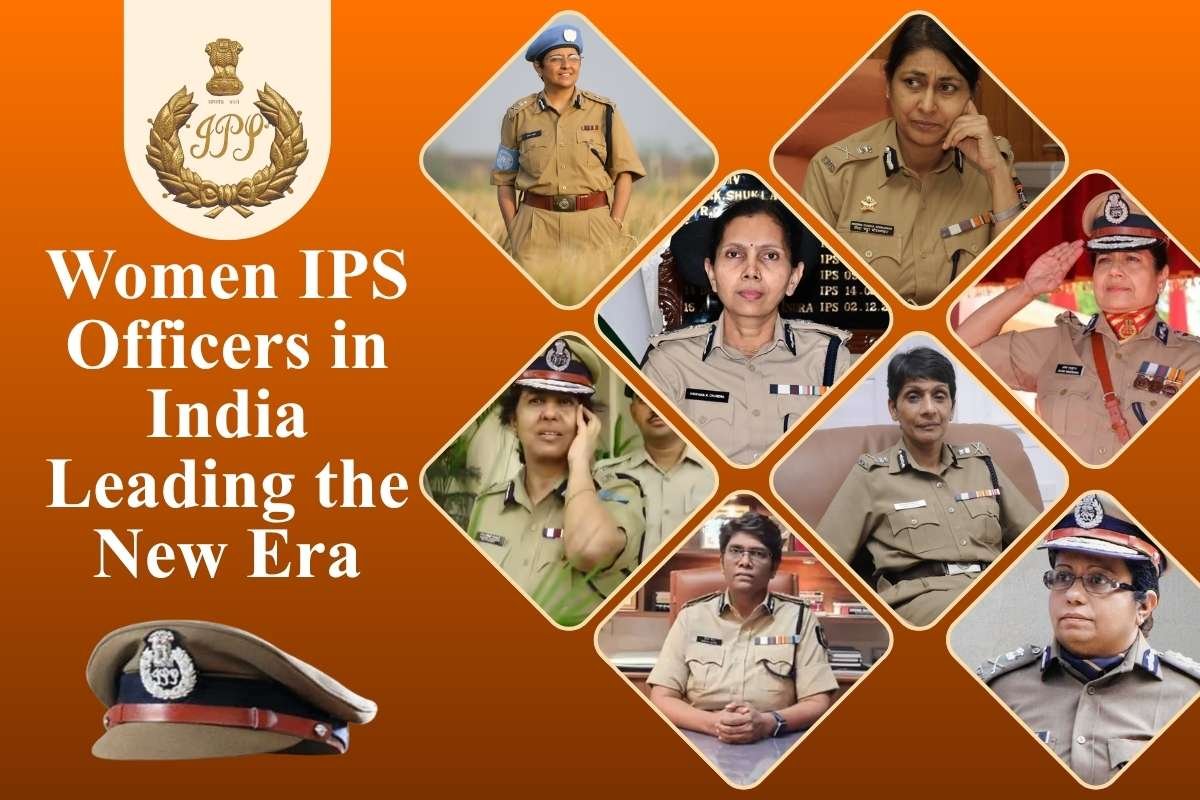


A type of strength fills the air when a leader walks into a crowded room. People look up, not just at the uniform, but at the person wearing it with such steady focus. These women IPS officers in India often act as the first point of hope for those who feel unheard or lost.
This steady focus carries through the ten unique stories we share today. Each of these women IPS officers in India brings a different kind of courage to the streets they patrol. Their shared path shows us how much heart and hard work go into wearing the badge.
10 Influential Women IPS Officers in India Who Set New Standards
According to the India Justice Report 2025, women account for 8% of the police force. And out of 2.42 lakh women in India’s police force, only 960 hold IPS ranks.
But there was a time when the number was zero. Today, we will look at the women who changed that.
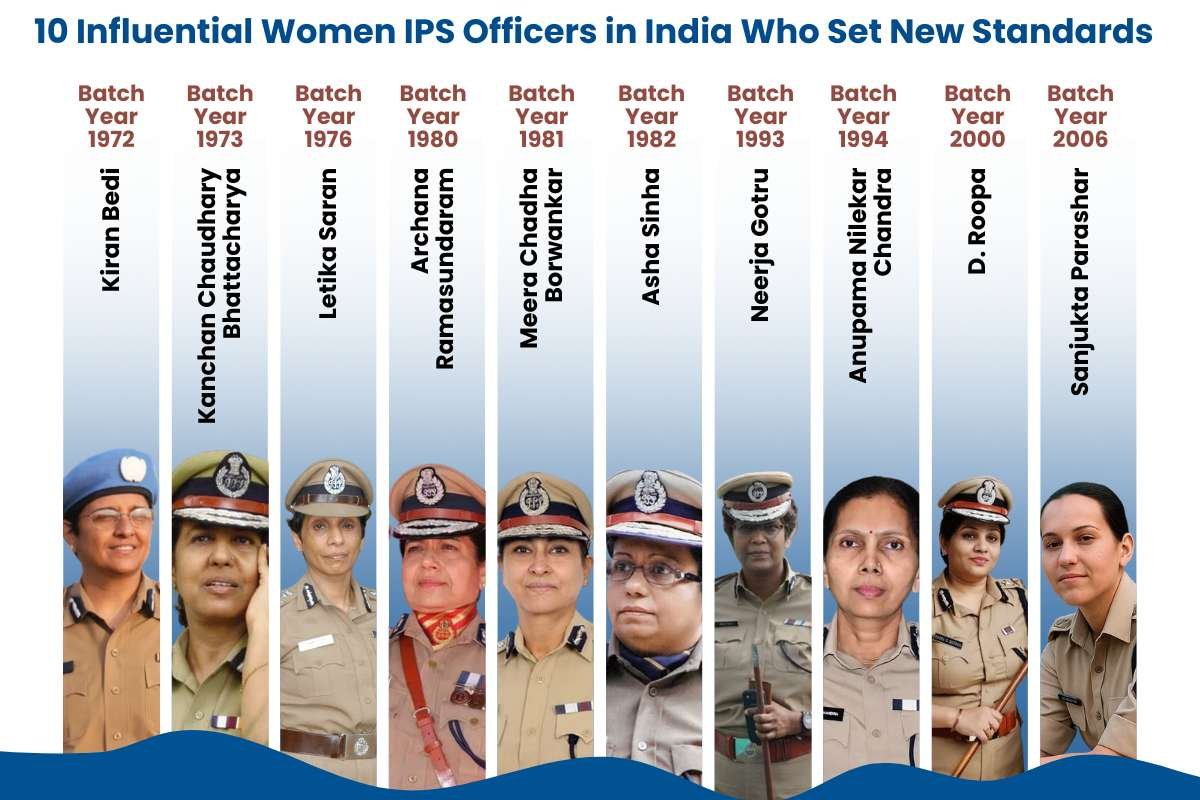
These 10 IPS officers opened the gates for the upcoming generation of women who dream of sitting in the same chair someday. Today, we will go through each of them according to their batch year.
Here’s who they are:
| SR. NO | Name | Batch Year |
|---|---|---|
| 1 | Kiran Bedi | 1972 |
| 2 | Kanchan Chaudhary Bhattacharya | 1973 |
| 3 | Letika Saran | 1976 |
| 4 | Archana Ramasundaram | 1980 |
| 5 | Meera Chadha Borwankar | 1981 |
| 6 | Asha Sinha | 1982 |
| 7 | Neerja Gotru | 1993 |
| 8 | Anupama Nilekar Chandra | 1994 |
| 9 | D. Roopa | 2000 |
| 10 | Sanjukta Parashar | 2006 |
1. Kiran Bedi
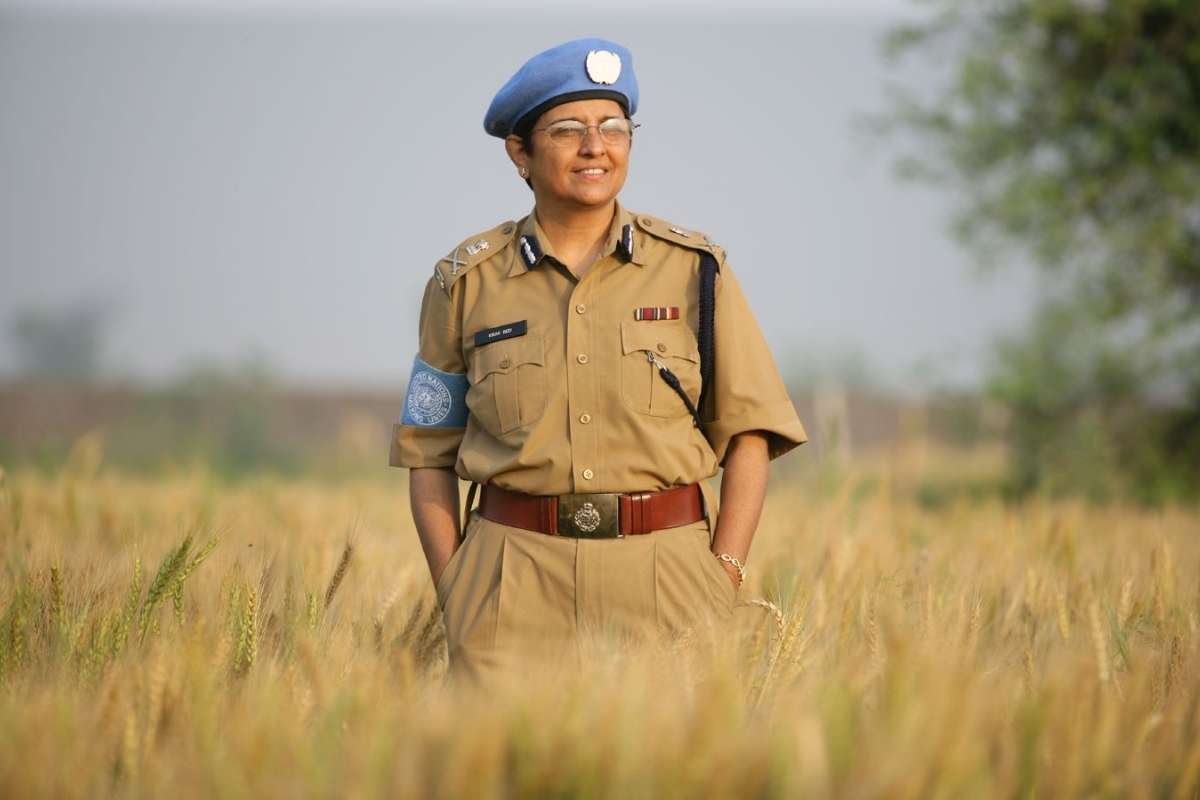
- Batch Year: 1972 (first woman IPS officer).
- Active Years: 1972–2007 (35 years, retired as Director General, Bureau of Police Research and Development).
- Current Status: Retired; served as Lieutenant Governor of Puducherry (2016–2021); now a social activist and author.
Kiran Bedi joined the service in 1972 as the first woman to reach the officer ranks. Her career spanned thirty-five years and included many high-level roles across the country. She worked as a reformer at Tihar Jail, where she introduced daily yoga and school classes for those staying there.
Later, she served as a police advisor for the United Nations in New York. Before her police work, she was a champion tennis player. She retired in 2007 and then served as the Lieutenant Governor of Puducherry for five years.
2. Kanchan Chaudhary Bhattacharya
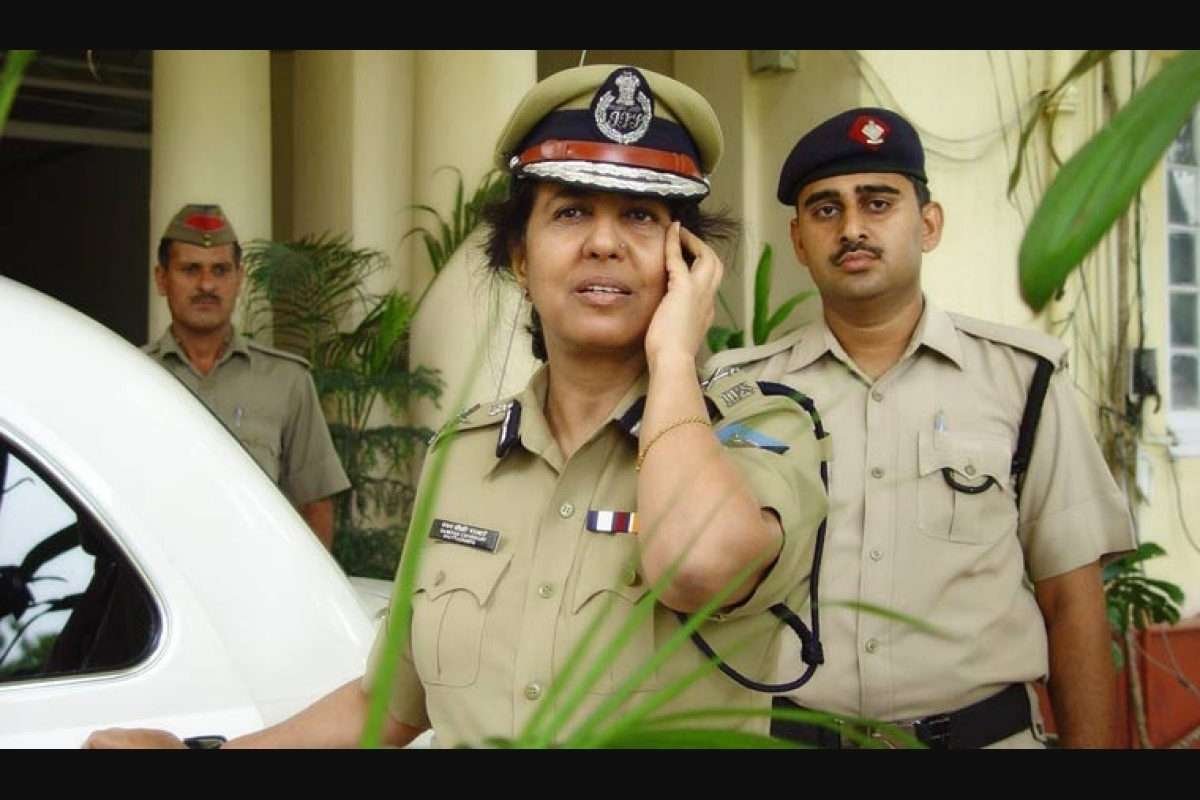
- Batch Year: 1973 (second woman IPS officer).
- Active Years: 1973–2007 (superannuated after 34 years as DGP, Uttarakhand).
- Current Status: Deceased
A 1973-batch officer, Kanchan Chaudhary Bhattacharya, was the second woman to join this cadre. She rose to the rank of DGP in Uttarakhand before she retired from the force. This achievement made her the second woman to lead a state police force in the country.
During her thirty-three years of work, she handled several sensitive and famous court cases with a steady hand. Her life story was so impactful that it inspired a popular TV show in the 1980s. Her sister wrote and directed that show to share her journey with the public.
3. Letika Saran
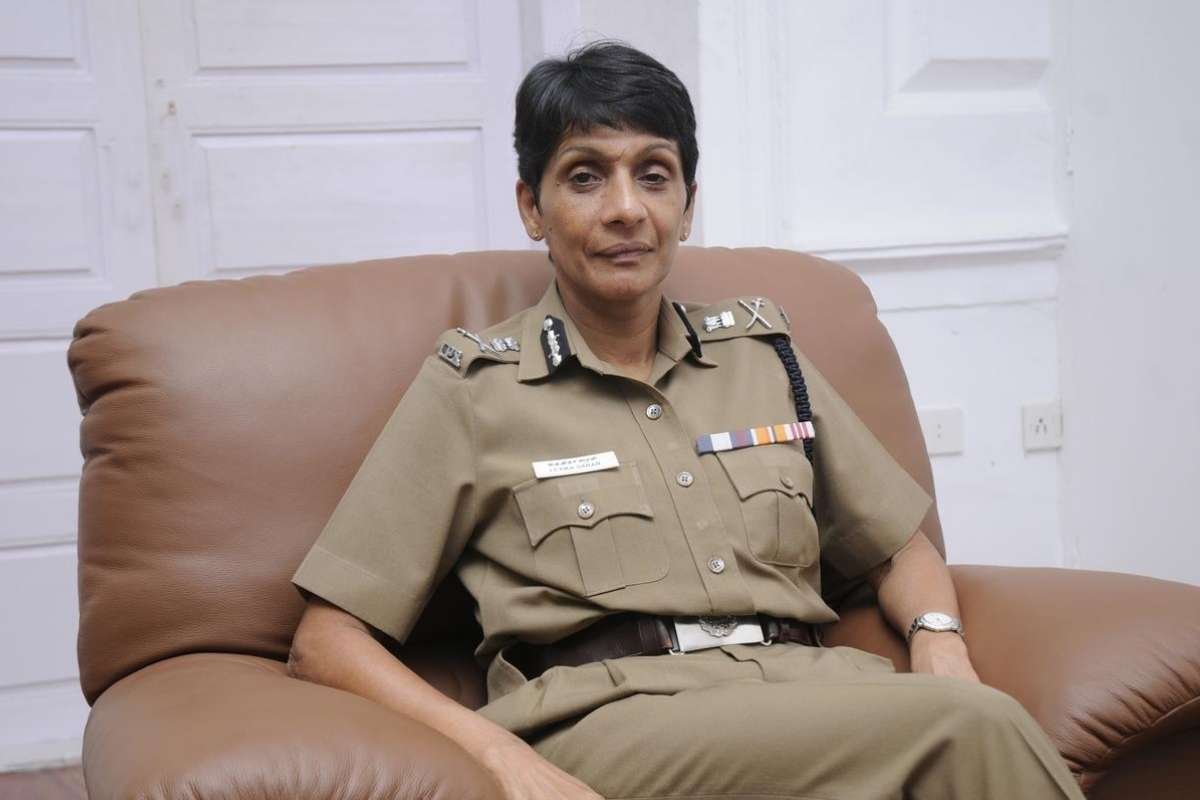
- Batch Year: 1976 (Tamil Nadu cadre, first woman IPS from the state).
- Active Years: 1976–2012 (36 years, retired as DGP Training).
- Current Status: Retired
Letika Saran joined the force in 1976. She was one of the first two women to enter the Tamil Nadu cadre. She later became the first woman to lead the police in Chennai as their commissioner. In 2010, she rose to the rank of DGP for the entire state.
This made her the second woman in the country to lead a state force. After she retired in 2012, she spent much of her time teaching road safety. She grew up in the hills and has a great love for dogs and books.
4. Archana Ramasundaram
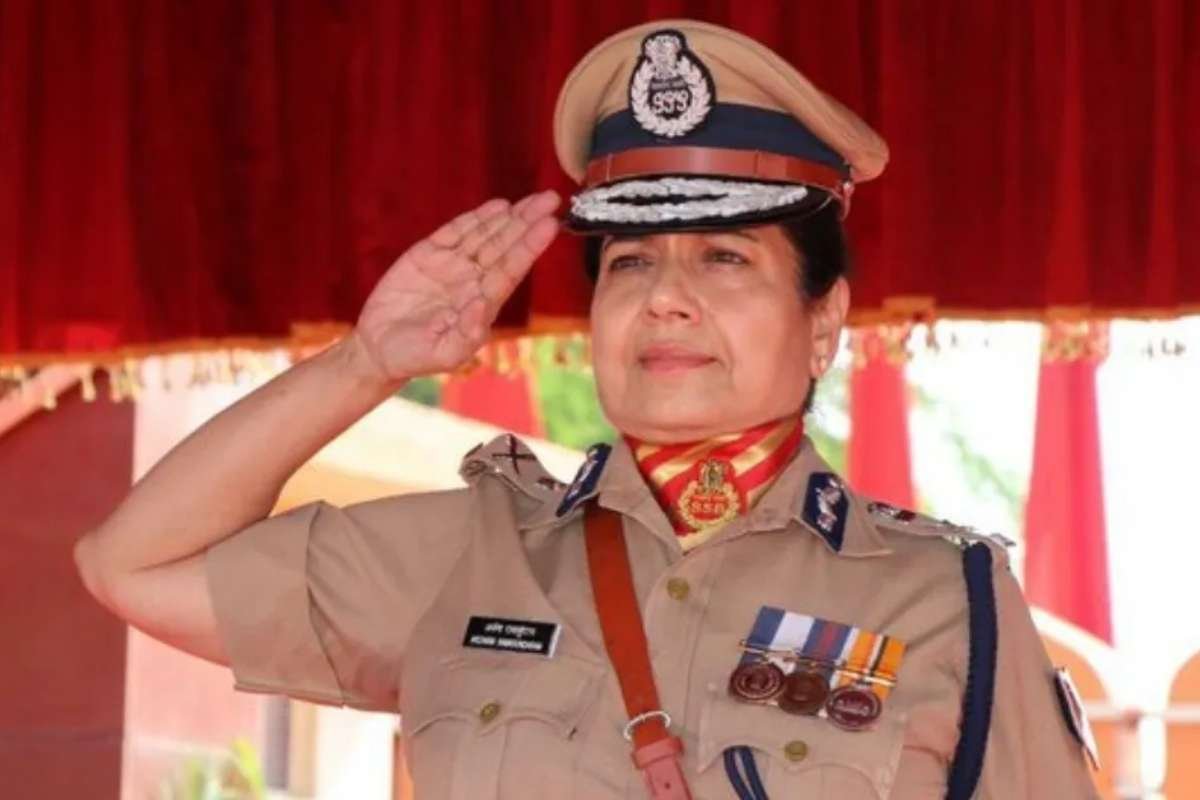
- Batch Year: 1980
- Active Years: 1980–2013 (retired as Special Director, Intelligence Bureau).
- Current Status: Retired
Archana Ramasundaram began her long career in the police service in 1980. She spent thirty-seven years in various roles before she retired as a senior leader. In 2016, she became the head of the Sashastra Seema Bal. This role made her the first woman to lead a central armed police force.
Her career path also included work as a top director within the Central Bureau of Investigation. She is married to a retired officer from the civil service. Her work focused on maintaining law and safety at the highest levels of the state.
5. Meera Chadha Borwankar
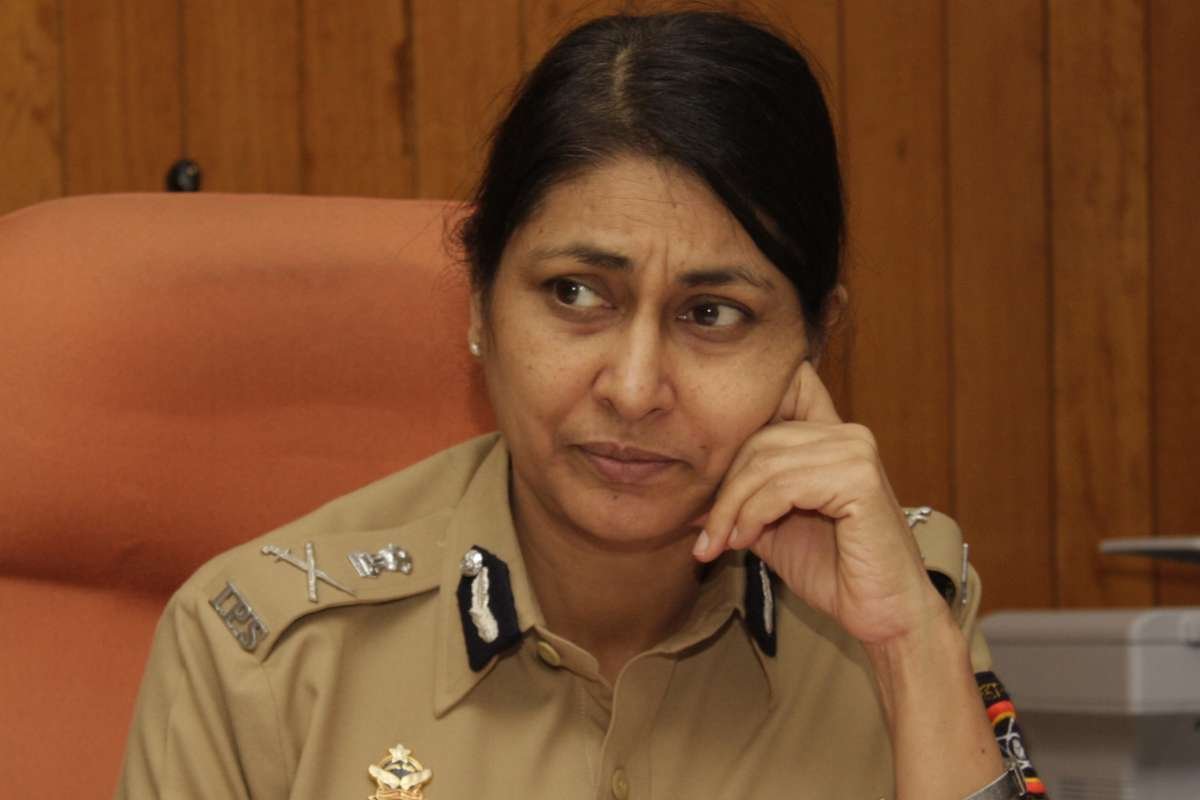
- Batch Year: 1981
- Active Years: 1981–2015 (retired as Director, National Police Academy).
- Current Status: Retired
Meera Chadha Borwankar joined the police service in 1981 and held many key roles in Maharashtra. She was the first woman to lead the Mumbai Crime Branch in its very long history. Her work often dealt with financial crimes and the investigation of large organized groups.
She spent many years in school and earned a high degree in the field of management. Apart from her daily duties, she has written several books about her real-life work as a leader. She retired in 2015 after serving as the head of a major police academy.
6. Asha Sinha
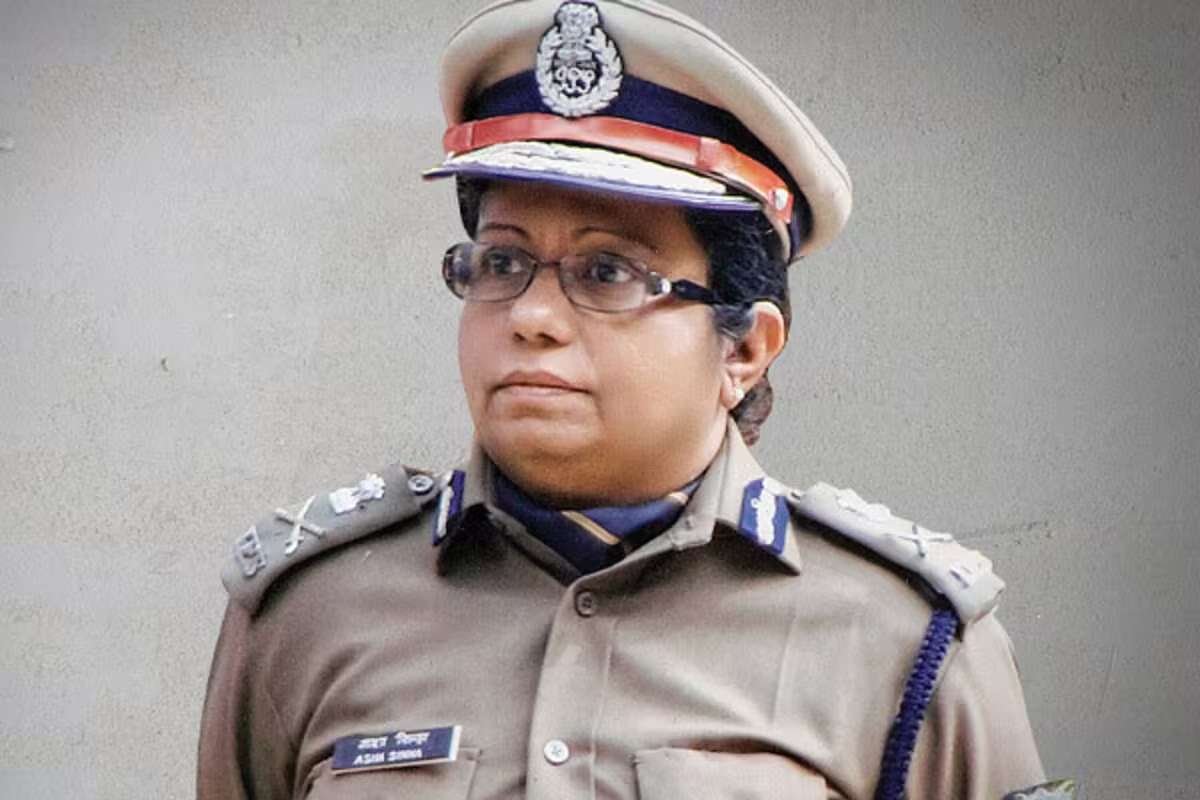
- Batch Year: 1982
- Active Years: 1982–2012
- Current Status: Retired
Asha Sinha is a 1982-batch officer who worked mostly in the states of Jharkhand and Bihar. In 1992, she became the first woman to lead a large armed unit at a major shipping port. Later, she led the secret intelligence branch in her region during a very busy period for local safety.
She reached the high rank of DGP before she retired from the service in 2013. Her career was defined by her work in difficult zones and her steady roles in public safety. She focused on following the law fairly throughout her thirty years of active duty.
7. Neerja Gotru
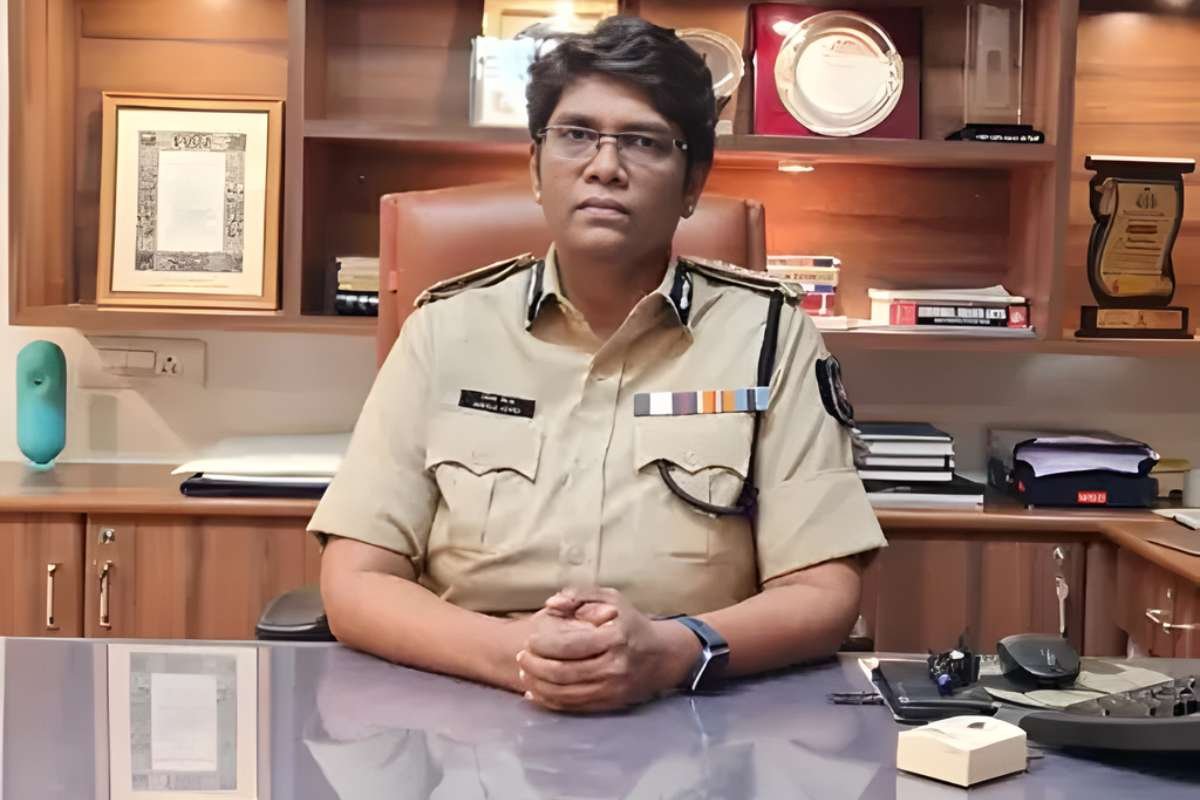
- Batch Year: 1993 (Telangana/Andhra Pradesh cadre).
- Active Years: 1993–present.
- Current Status: Active
Neerja Gotru is a 1993-batch officer from the Gujarat cadre. In early 2025, she was promoted to the highest rank of DGP. She has worked on many famous court cases throughout her long career. She also spent time working with a national investigative group.
Recently, she has spent much of her time helping to hire and train new people for the force. She also works as a top secretary for the home branch of her state. She is known for her focus on using clear facts to solve tough cases.
8. Anupama Nilekar Chandra
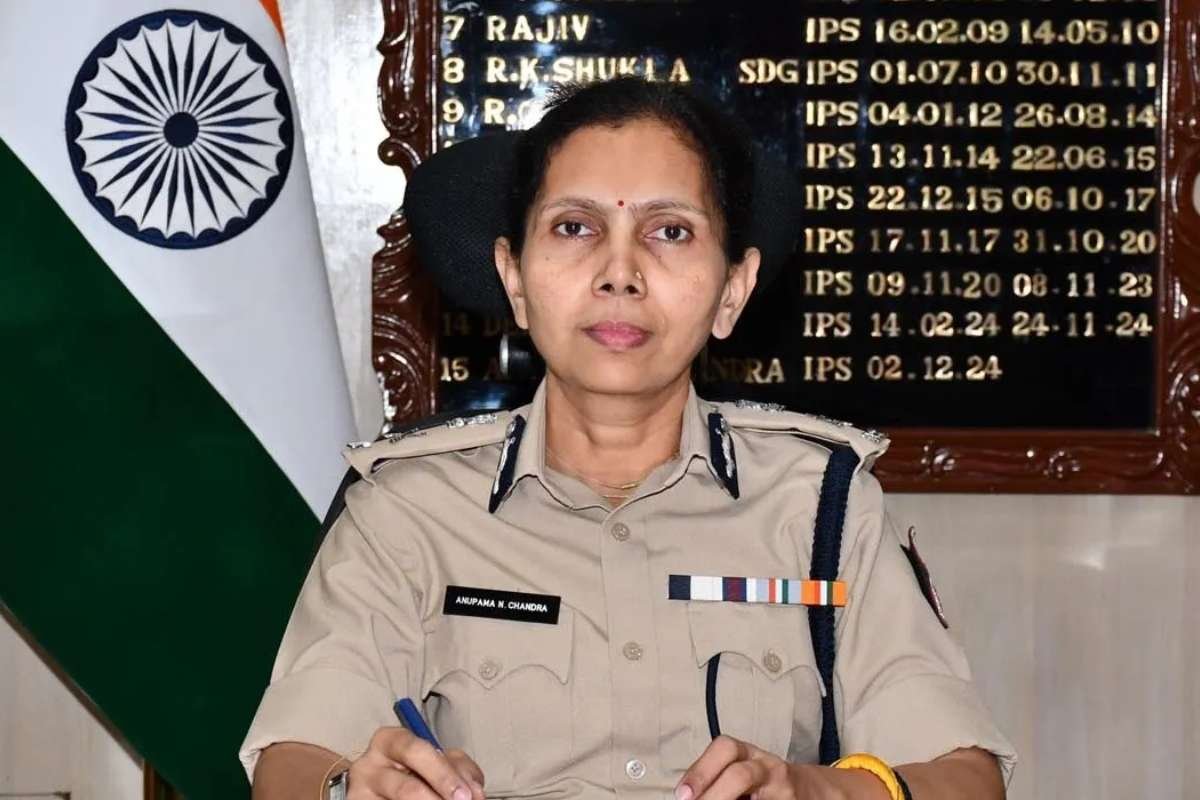
- Batch Year: 1994
- Active Years: 1994–present.
- Current Status: Active
Anupama Nilekar Chandra is an officer from the 1994 batch of the Bihar cadre. She has held many high-level roles in central groups. In early 2026, she was named a top director for a national human rights group.
Before this, she worked as a senior leader for the SSB, which guards the country’s borders. Her career has focused on deep research into how police work can be improved. She has spent over 30 years working to make sure the law is followed fairly in every role she holds.
9. D. Roopa
- Batch Year: 2000
- Active Years: 2000–present
- Current Status: Active IPS officer
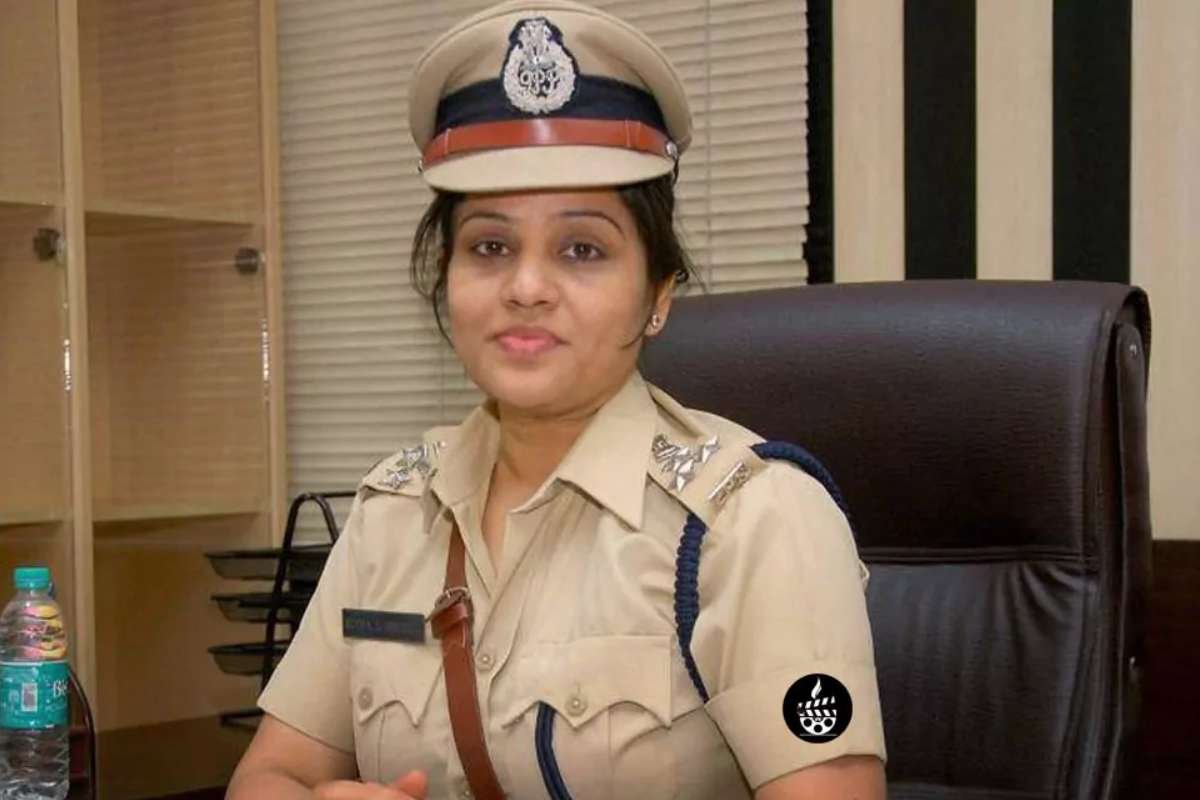
D. Roopa is a 2000-batch officer from the state of Karnataka. She was the first woman from her home state to join this rank. She is known for her work in the prison system and for speaking out against unfair rules. She has also served as the head of the cybercrime branch.
Apart from her police work, she is a trained dancer and a singer for films. She has won the President’s Police Medal twice for her hard work. She is married to a senior officer in the civil service, and they have two children.
10. Sanjukta Parashar
- Batch Year: 2006
- Active Years: 2006–present.
- Current Status: Active
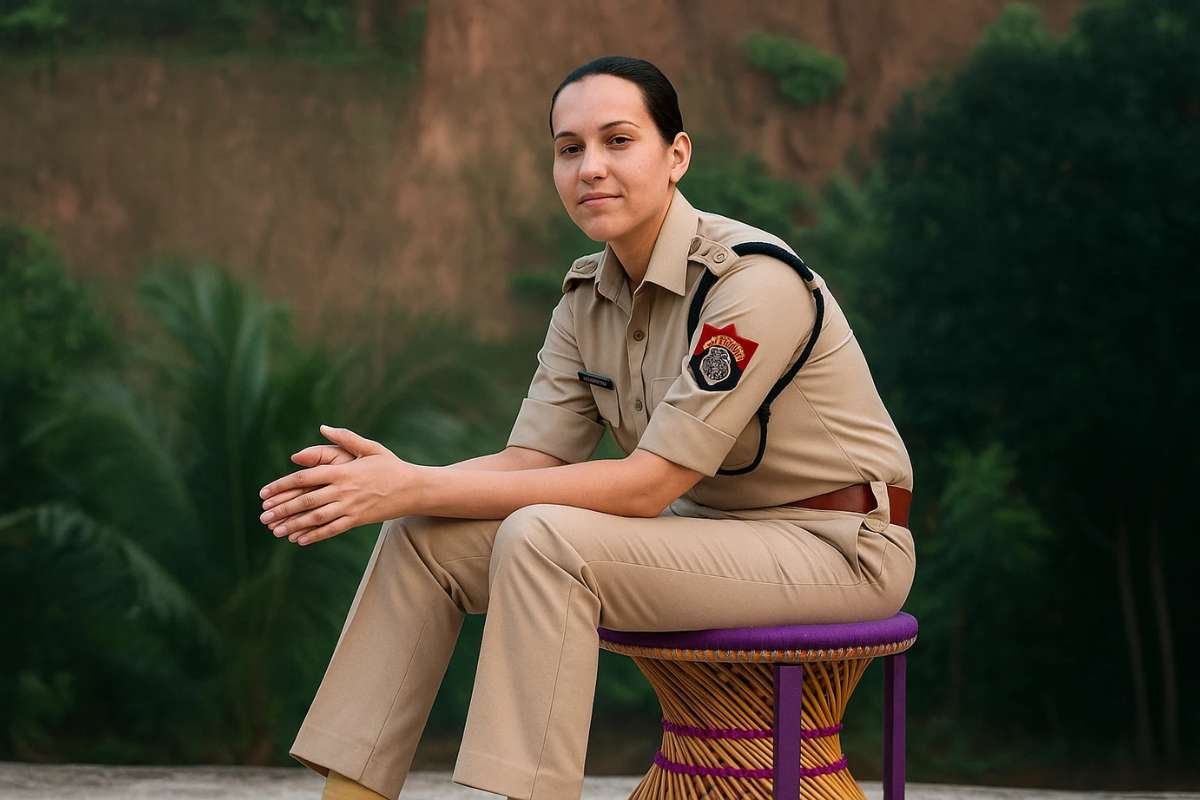
Sanjukta Parashar joined the service in 2006. She was the first woman from her home state of Assam to take this role. She spent much of her early career leading teams in difficult forest areas. Her work focused on keeping the peace and stopping local fighting.
She has a high degree from a top school in Delhi, where she studied global politics. Many women IPS officers in India now look to her path as a model for leading with calm. She is also a mother and likes to spend her free time with her family.
The Real Challenges Faced by Women IPS Officers in India
While many people see the uniform as a sign of power, the daily path for a leader in this role involves many hurdles. These barriers often start within the office and extend into the community. By looking at the experiences of women IPS officers in India, we can see how they navigate a system that was not originally built with them in mind.
1. Cultural and Social Hurdles
Deep-seated ideas about gender often create a “glass ceiling” in the force. Many people still view policing as a job that requires only physical strength. This view can lead to a bias where a leader’s skills are questioned based on her gender. Because of this, they often have to work twice as hard to earn the same level of respect as their male peers.
2. Balance and Support
The demanding hours of the job often clash with traditional family roles. A typical day can last for a long time, making it very hard to manage a home and a career at the same time. Many stations also lack basic needs like separate restrooms or safe places for children. For women IPS officers in India, finding a balance is a constant task that requires a strong support system at home and at work.
3. Access to Power Networks
Leadership often relies on informal networks where big decisions are made. These circles are still mostly male-dominated, which can leave others on the outside. This lack of access can make it harder to get key assignments or find mentors. Despite these gaps, these women continue to find new ways to lead and open doors for those who will follow them.
The Influence of Women IPS Officers on India’s Police Force
The presence of these leaders has brought about practical shifts in how law enforcement works on the ground. Beyond just filling a role, their work has changed the way communities and the force itself handle daily safety.
1. Building Community Trust
A major impact is the rise in public trust, especially among women and families. Research shows that people often feel more comfortable talking to a female officer about sensitive issues. In areas where female IPS officers lead, there is often a noticeable increase in the reporting of crimes. This happens because victims feel they will be met with more empathy and a fairer hearing.
2. Modernizing Police Methods
These officers have also influenced the way the force handles difficult situations. Many tend to use communication and de-escalation skills to calm a crowd before resorting to force. This approach helps reduce local tensions and creates a more service-oriented image for the police. The work of women IPS officers in India has shown that a firm hand and a listening ear can work together to keep the peace.
3. Changing the Internal Culture
Inside the stations, the presence of women leaders helps break down long-standing biases. Their success in high-risk roles, like cybercrime or counter-terrorism, proves that skill is not tied to gender. By managing large teams and solving complex cases, women IPS officers in India encourage the force to become more inclusive. This shift makes the workplace better for everyone and helps the police reflect the diverse society they serve.
How Officers Join the Service?
There are two main ways to join the ranks of women IPS officers in India. Each path has a set limit on how many people can enter.
- Direct Entry (75%): Most people join by passing the national civil service exam. Candidates must meet the rules for age and schooling. They also need to pass physical tests after their final interview.
- Promotion (25%): State police officers can move up after serving for at least eight years. This path depends on open spots and a review of their work history.
The Promotion Path
Moving from a state role to a national rank follows a clear, four-step process. A special committee meets to pick the best fit based on a total of 1000 marks.
- Written Test (40%): A large part of the score comes from a formal exam.
- Service Years (20%): Extra points are given for those with more time on the job.
- Work Reviews (25%): The committee looks at past performance records.
- Interview (15%): A final talk helps the group make a choice.
Key Rules to Know
- Final Lists: A list of names is made and sent for a final check. Once a name is on this list, the person is usually appointed within sixty days.
- Suitability: Every person must pass a character check. If an officer chooses not to take the role, they may lose their claim to it later.
- Regular Reviews: The government looks at the total number of roles every five years. This ensures the force has the right amount of staff for the work needed.
Reference & Sources: https://ips.gov.in/ips_act_rules.aspx
Conclusion:
The paths of these leaders highlight a steady shift in public service. Each journey shows how individual focus and a commitment to the law can influence a community. By looking at these lives, we see the real work that goes into maintaining safety across different regions.
These women IPS officers in India have each left a distinct mark through their years of duty. Their stories show that leadership takes many forms. It is through these daily efforts that the future of the force continues to take shape.
FAQs
1. How are officers chosen?
The selection happens through a national exam called the UPSC Civil Services Examination. This test has three main parts: the prelims, the mains, and a final interview. After passing these, candidates must clear a medical and physical test. A high rank is usually needed to be placed in the police service rather than other civil roles.
2. What does the training involve?
Once picked, new officers go through a long training period of about two years. It starts with a base course at a school in Mussoorie for three months. After that, they move to the National Police Academy in Hyderabad. Here, they learn everything from law and self-defense to riding horses and using firearms.
3. What are the main rules for joining?
To apply, a person must be a citizen of India and hold a degree from a recognized college. The age must be between 21 and 32 years, though some groups get extra years. There are also set physical standards. For example, the minimum height for women IPS officers in India is 150 cm, which is slightly less for some specific regions