
Bharat 2.0 Conclave was a success! It would be a lie if I claimed to have never doubted it. There were ups and downs, but the gathering of New India’s future was worth the pain. Some of the world’s most influential people gathered at the Lalit hotel on 14th March with a single goal: Leadership for a Trillion-dollar Bharat.
At the conclave, we witnessed the birth of a New India; an India full of ideas, visions, dreams, and hope. An India that sings the same song, but with a new rhythm. An India that leads, not follows. A new nation that paves the path for the rest of the world to walk on.
While the excitement is still high, we must stay focused on why we gathered. This was a space for people to share their dreams for the country and propose real ways to achieve them. There were hundreds of ideas put forth during the conclave, and honestly, it would be impossible to cover them all in one place.
So, we have selected the 5 ideas from Bharat 2.0 Conclave. Here they are:
5 Ideas from Bharat 2.0 Conclave Shaping What Comes Next
These are the 5 ideas proposed by panelists, keynote speakers, and our guest of honor. We truly believe these might be the steps towards the future of India.
So, let’s dive into what attendees of Bharat 2.0 conclave proposed:
1. Prevention Is the Future of Healthcare
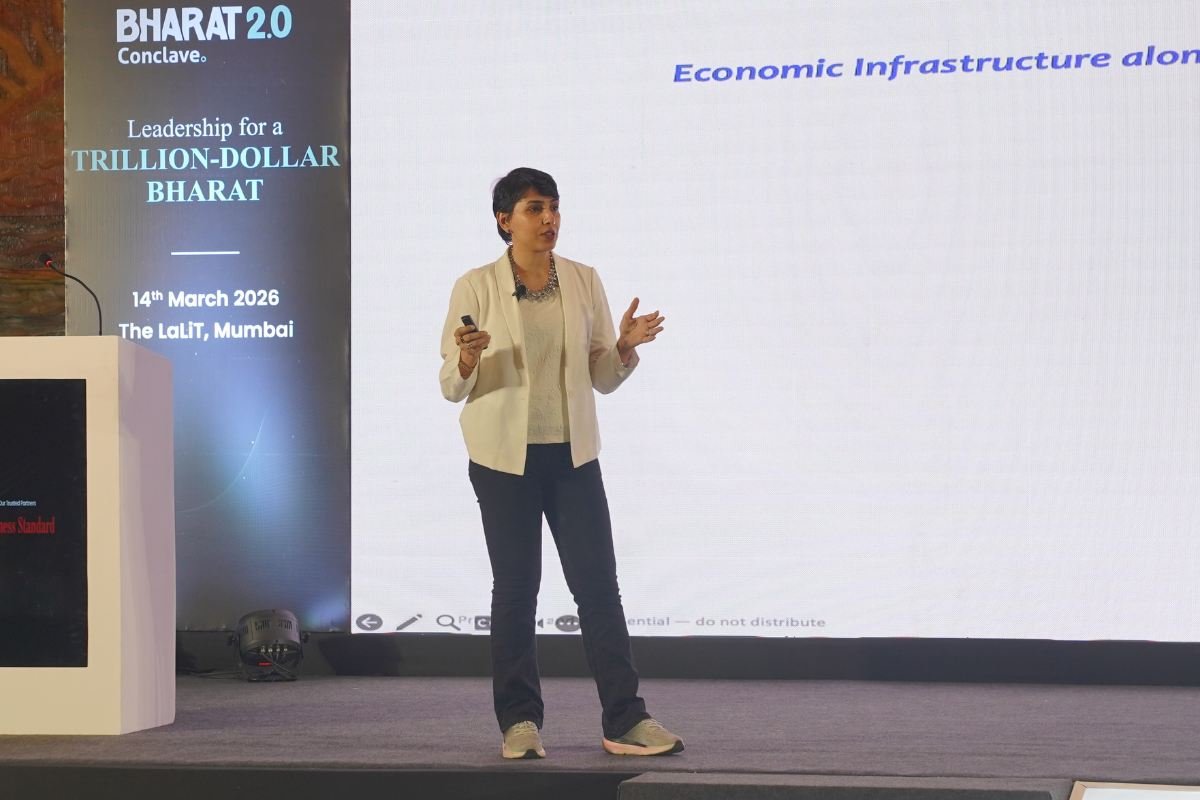
What do you think is the future of health? Is it a world with more clinics and fast cures? Or is it a world where we stop sickness from ever taking hold?
At the Bharat 2.0 conclave, Amrita Asrani shared a view that points to the second path. She said that for a strong nation to grow, it must have a base that values staying well just as much as getting well. This shift to early care is not just a need for doctors. It is a need for our money and our people.
➤ From Reactive to Proactive Care
Our current way of care often looks at treating a sickness once it is there. Asrani said that the whole world of health must shift to a plan that acts early. Instead of waiting for a bad time, the goal should be to build plans that stop health woes before they start. This change turns health care from a set of fast fixes into a steady, kind force in daily life.
➤ Closing the Screening Gap
Facts show a big gap between India and other top countries when we look at finding sickness early. In India, the number of those who get checked early is low. In South Korea, that count is much higher at 70% because checks are a standard part of their rule. Raising these counts is key to catching risks early and helping folks live well for a long time.
➤ Reducing the Financial Burden
Health costs in India are often a heavy load for one person. Many pay for most of their care out of their own pockets. Asrani pointed out that a new digital path can help lower these costs. By using tools to watch over health and act fast, we can reduce the need for high-cost care late in the game. This gives more safety to families all across the land.
2. Strong Institutions Build Strong Economies
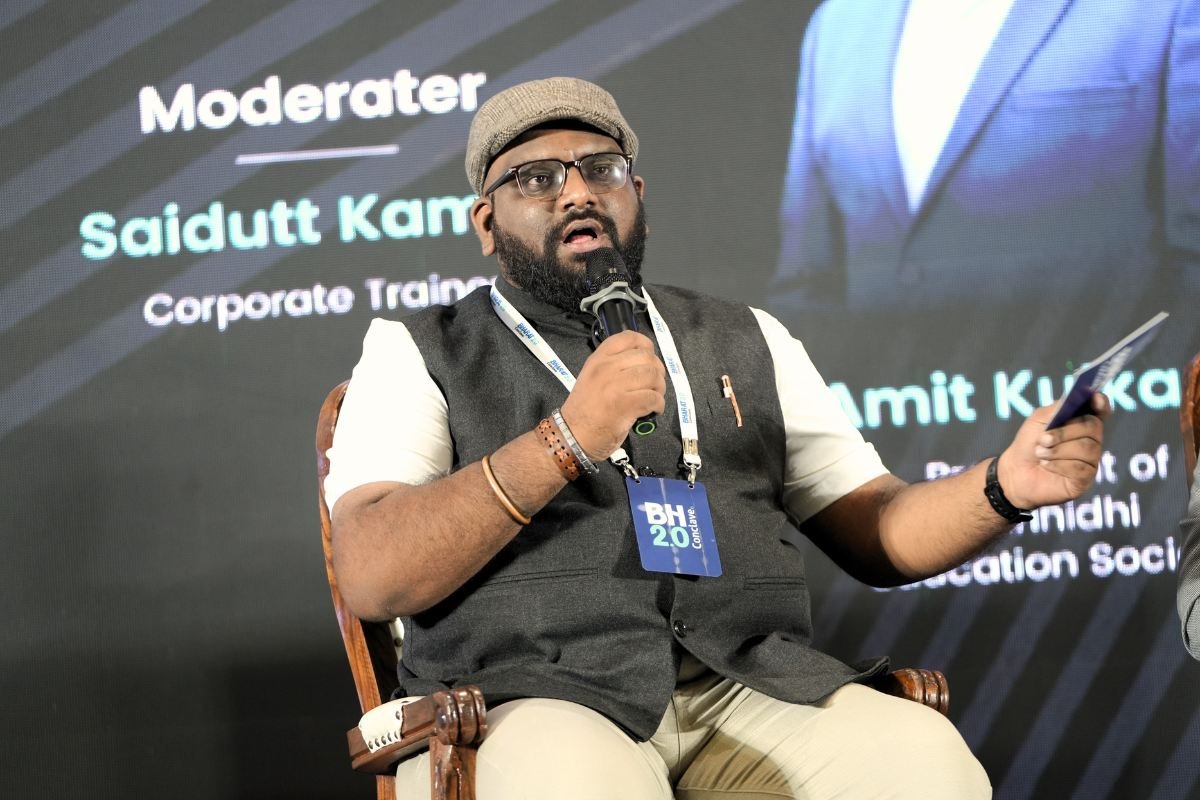
“The future of Bharat is not built by big groups alone. It is built by those who see how work, talent, and aim must move as one.”
This quote from the host, Saidutt Kamat, set the stage for a key talk at the Bharat 2.0 Conclave. While a big goal is a bold dream, the talk made it clear that such growth only lasts if it is built on a base of strong groups.
➤ A Focus on Long-Term Vision
One of the most vital points was the need to change how we see success. For too long, we have seen growth in short steps and quick wins. But true power is built over many years, not just months.
The panellists at Bharat 2.0 conclave talked about moving to a long growth path. By looking twenty or thirty years into the future, we make sure that the work we do today stays strong for the kids of tomorrow.
➤ Trust and Collaboration
Firm groups are built on a deep level of trust and work between folks. The group said that work between the state and private firms is a key driver for a big economy. When the state and firms work with a shared aim, they build a tough base. This base can stand up to global shifts and help new ideas grow all the time.
➤ Integrity and Responsibility
At the heart of every great group is a head who acts with truth. A leader’s own word and their vow to a national aim are what give these groups their power. By mixing high moral rules with a sense of duty to the future, leaders can keep the trust of the people. This trust is what makes a group both real and strong.
3. Technology Must Be Purpose-Driven
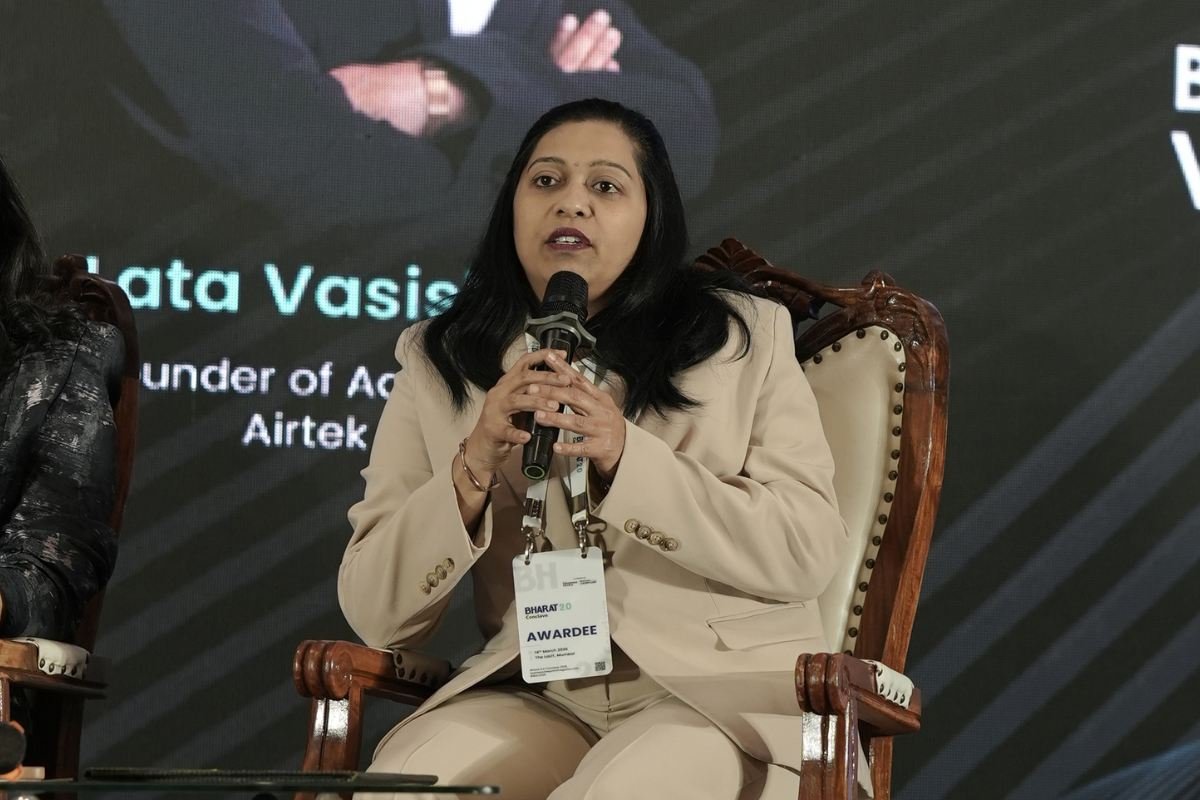
New tools work best when they solve a real task. While the world moves fast, the talks at Bharat 2.0 Conclave made it clear that tools should not be used just to look new. Instead, a tool must serve a clear aim. It must bridge the gap between high-tech ideas and the real needs of work in India.
➤ The New Era of AI and Talent
Building a world of data needs a new way of working. As the land builds the base to handle big data, the skills our workers need are shifting.
We are moving to a time where using new AI tools and learning how to talk to them is a normal task. Helping our people gain these skills is what turns new tools into real success.
➤ Resilience and Reliable Services
A new idea only works if it is steady. A big part of the talk was on how to keep systems up and running. By using tools to make sure systems are always on and can bounce back fast, firms create a safe spot for growth. This trust in tools is the backbone of a world that folks can lean on.
➤ Protecting Innovation and Data
As the land leans more on ideas and data, how we guard our work is key. With the rise of AI, guarding our ideas and data is a top task. Setting clear rules for this helps those who create to work in peace. They will know that their work for the future is safe and sound.
4. Recognition Follows Meaningful Contribution
While the awards presented at the Bharat 2.0 Conclave represent a high point of celebration,
While the awards at the event were a high point, they are just a sign of years of quiet, hard work. In every field, from tools to school, the way is the same. Winning is not the goal. It is the result of solving real woes and staying true to an aim.
True power is seen in the depth of what one gives, not just in a title. We see this in the tales of those who have given their lives to their work:
- Solving Hidden Problems: Some work is about making sure the world keeps running in the background. For one, Balkrishna Shirgaonker spent years making sure systems do not fail. He made sure that when there is stress, work does not stop.
- Driving Innovation with Purpose: Good work often means taking risks to fill a gap. Lata Vasisht turned her own strength into a new way to work. She made a tool that cuts power costs by a huge amount all over India.
- Building the Future Workforce: Others find aim in making paths for those who come next. Dr. Pooja Sidharth Rao has put her time into the lives of many kids. She shows that a plan for workers is best when it cares for people.
These tales remind us that a strong land is built by those who focus on the good they can do. Whether it is Moukthik Kiran Reddy and his drones or Neha Rambhiya and food safety, the prize follows the work. When the work is big, the prize comes on its own.
5. Discipline and Integrity Define Leadership
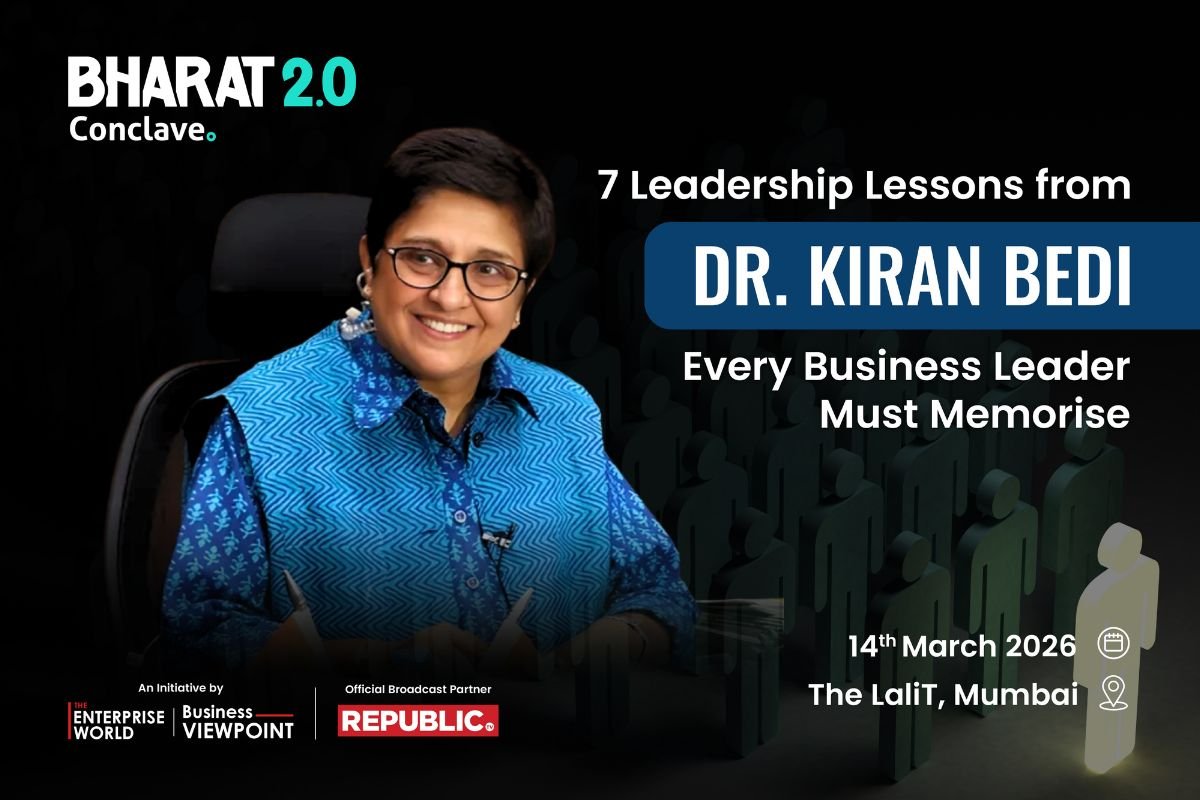
Folks often think a leader is just a title or a seat at a big desk. But Dr. Kiran Bedi showed a new view during her masterclass at Bharat 2.0 conclave. She said that true power is a thing from within. It is built on two firm parts: rules and truth. Without these, a title is thin. With them, a leader can move a mountain even with no cash.
➤ The Power of the Internal Audit
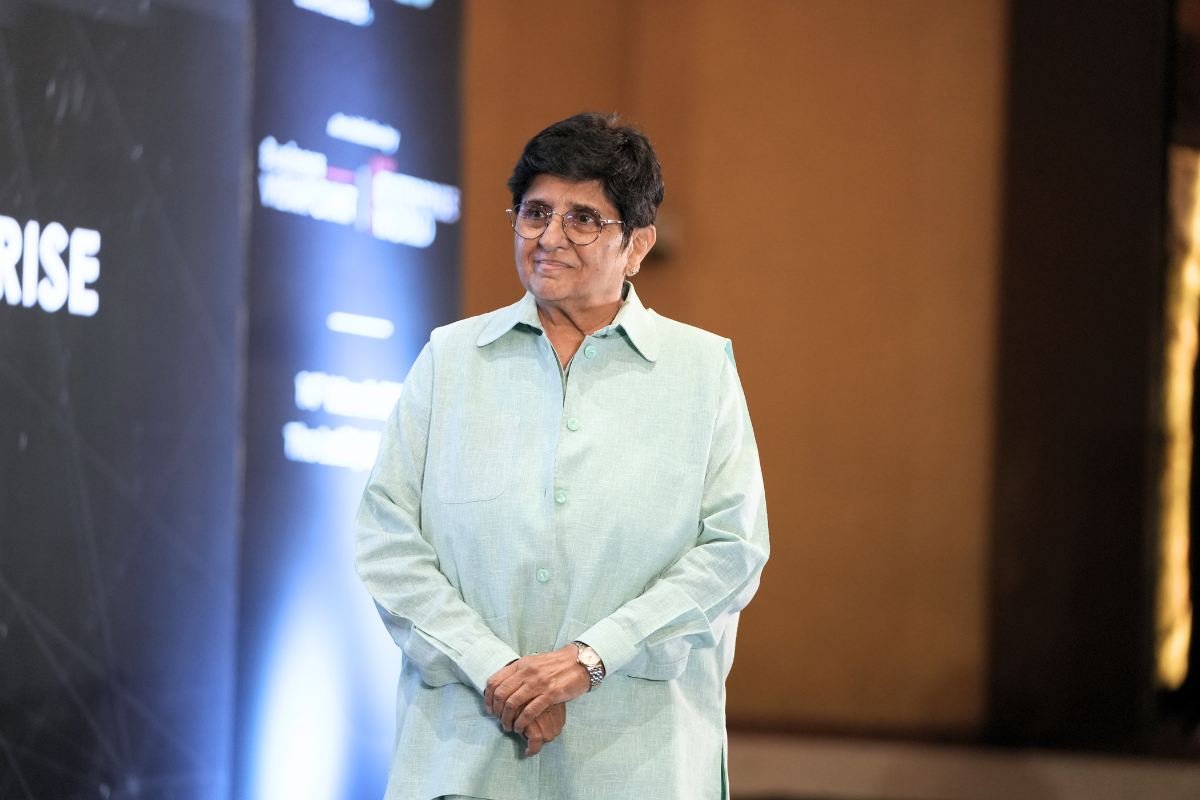
A leader’s first duty is to themselves. Dr. Bedi spoke of the need for an “inner check.” This is a way to see if one’s daily acts match their heart. This keeps a leader on the right path. It stops the slow drift away from what is right. By being fair to oneself first, a leader wins the right to lead others.
➤ Serving a Higher Purpose
Truth stays strong when it is tied to a big aim. Whether it is serving the land or a group, a high aim acts as a shield. It stops a person from being unfair or taking what is not theirs. When the goal is for the good of all, the urge to cheat or hide things fades away.
➤ Building Trust through Predictability
Trust is the life of a leader. It is won when folks know what to expect. Dr. Bedi noted at Bharat 2.0 Conclave that people follow those they can lean on. A true leader does what they say they will do. If they cannot, they say so in a clear way. This keeps the bond of trust strong even in hard times. It keeps the team as one.
Leading with Zero-Budget Integrity
The best sign of these rules is the way to make a change with just a good name. Dr. Bedi showed how she changed a jail without cash from the state. She used her own heart and the trust she had built to get others to help. This “no-cash” way proves that when a leader has truth, help follows the person, not just the job.
Conclusion:
The Bharat 2.0 Conclave was more than just a series of talks; it was a blueprint for a nation in transition. The road to a trillion-dollar economy is paved with proactive healthcare, stable institutions, purposeful technology, and leadership rooted in character.
As we move forward, the challenge is to take these big ideas and turn them into daily actions. The vision of a New India is no longer a distant dream; it is a reality being built right now by those who dare to lead with purpose.
FAQs
1. How does “proactive healthcare” differ from the current system?
Most care today is reactive. This means it waits to treat a sickness until after you feel ill. The new way is proactive. It focuses on stopping sickness before it starts. By using regular check-ups and digital tools to monitor your health, doctors can catch small issues early. This helps you live a better life and saves you a lot of money on big hospital bills.
2. What was the primary goal of the Bharat 2.0 Conclave?
The event was a place for leaders and thinkers to plan how India can grow. The main goal was to look at how the land can reach a trillion-dollar value. They looked at how work, skills, and new tools must all move together. By doing this, they hope to create a big and positive change for every person in the nation.
3. What does it mean for technology to be “purpose-driven?”
This means using new tools to solve real-life woes instead of just buying the newest gear. It is about choosing tech that helps people. For example, it could be using AI to help workers learn new skills or using digital tools to bring doctors to far-off villages. It also means making sure computer systems are strong so that work does not stop when there is a glitch.