
Key Points:
- Sarvam AI unveiled its made-in-India Sarvam Kaze Smart Glasses at the NDTV Ind.AI Summit, positioning them as a localized alternative to Meta’s Ray-Ban.
- The device targets India’s mobile workforce, offering real-time visual capture, audio processing, and contextual AI responses for sectors like fieldwork, education, and healthcare.
- Kaze emphasizes localization with Indian AI models and multilingual support, aiming to stand out in the global wearable AI market ahead of its May 2026 launch.
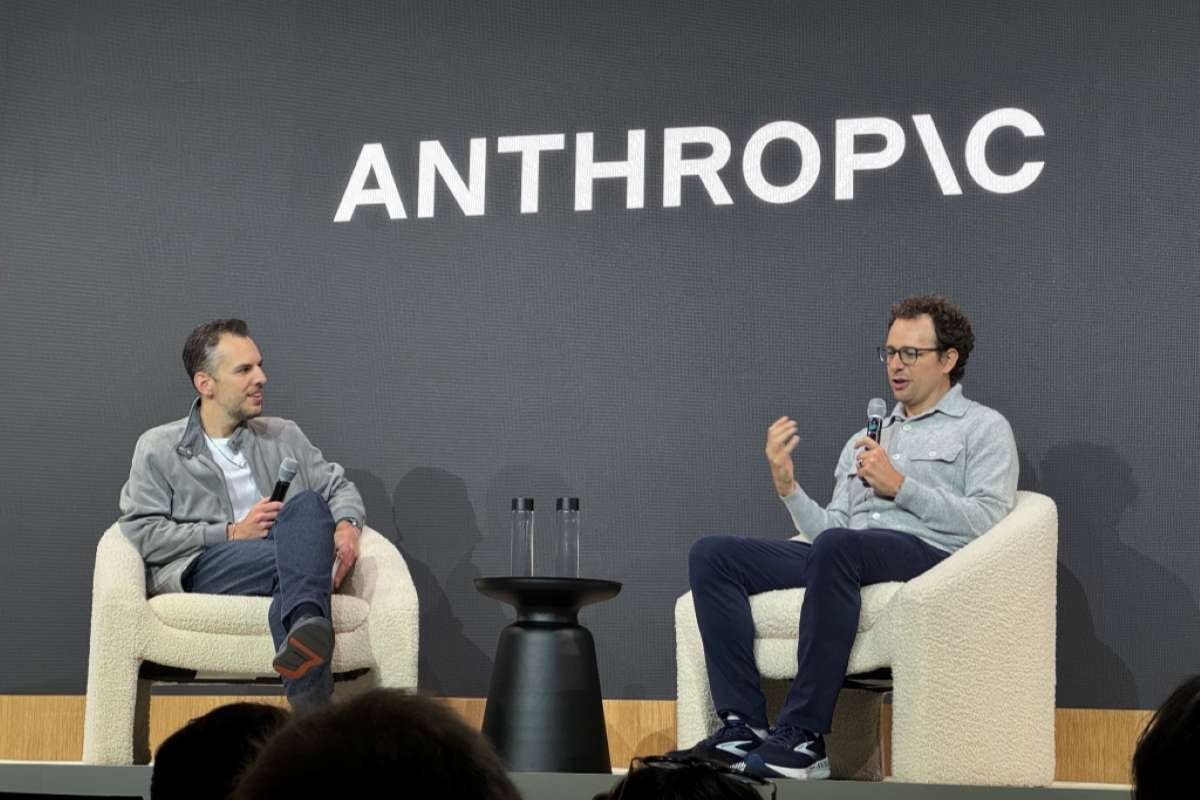
Sarvam AI co-founder Pratyush Kumar unveils the made-in-India Sarvam Kaze smart glasses at the NDTV Ind.AI Summit in New Delhi on Wednesday, positioning the device as a localized alternative to Meta’s Ray-Ban smart glasses ahead of a planned May launch.
The announcement comes as India pushes to expand domestic artificial intelligence capabilities and reduce reliance on foreign technology platforms. Kumar demonstrated the glasses at Bharat Mandapam during a conversation with NDTV Managing Editor Shiv Aroor.
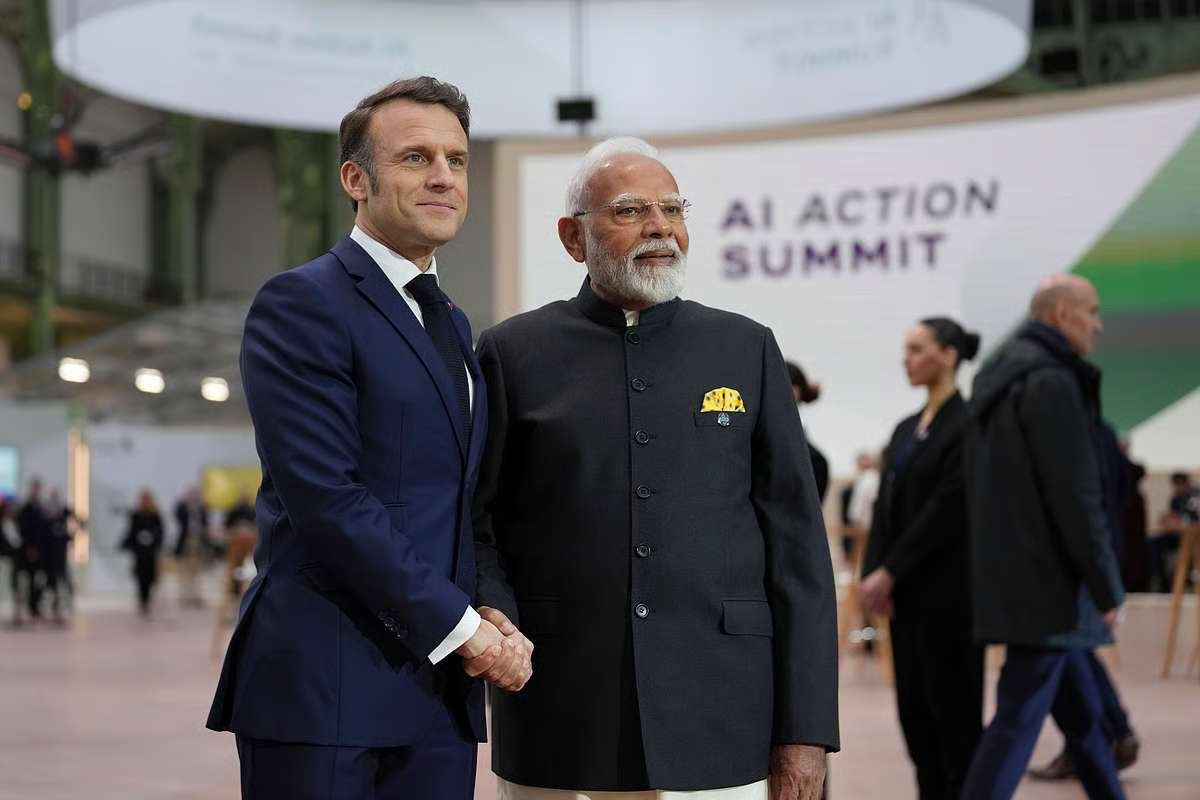
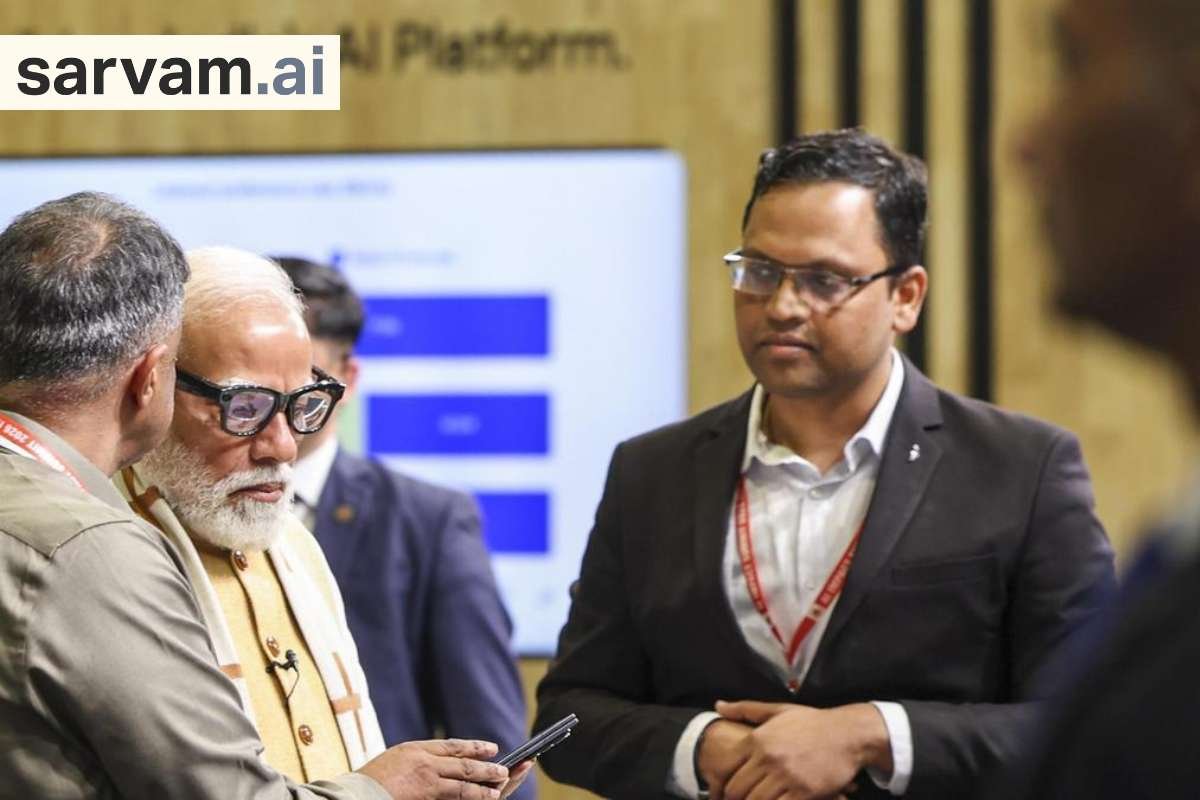
A day earlier, Prime Minister Narendra Modi briefly tried the device at the summit, drawing widespread attention on social media.
Sarvam Targets India’s On-the-Move Workforce
Kumar describes Sarvam Kaze Smart Glasses as a tool built for India’s “on-the-move” workforce, particularly field staff involved in inspections, surveys, and sales operations.
“India doesn’t only work on a desk, it also works on the move,” Kumar says at the summit. “The primary objective, as technologists, we have at this time, is that the huge change we have seen in technology should reach people.”
The glasses are designed to capture visuals, process audio, and provide contextual responses in real time. Sarvam says potential use cases include field data collection, guided workflows in education and health care, and assistive support for people with partial or complete vision loss.
Kumar also points to possible deployment in India’s 2027 digital census, though no formal government announcement has been made.
“We are living in a shadow when the technology is so much better than it’s deployed, and it’s our responsibility to make it available to all,” he says.
How Sarvam Kaze Compares With Meta’s Ray-Ban Smart Glasses
Sarvam positions Kaze as a domestic alternative to smart glasses developed by Meta Platforms Inc. in partnership with Ray-Ban.
Like Meta’s device, Sarvam Kaze supports voice control, camera-based capture, and AI-powered responses layered over real-world settings. Meta’s second-generation Ray-Ban glasses offer up to 3K video recording, up to eight hours of battery life, and upgraded audio features, according to the company.
Sarvam has not yet released detailed hardware specifications for Kaze, saying full technical information will be available closer to its May launch.
Meta’s glasses retail in India between about Rs 29,900 and Rs 39,900, depending on configuration. Sarvam has not announced pricing.
Kumar says the key difference lies in localization. Sarvam Kaze is designed, manufactured, and powered by in-house Indian AI models, aiming to support multilingual use and region-specific applications.
Push for Local AI and Mass Adoption
The unveiling comes amid a broader government and industry push to develop domestic AI infrastructure and products tailored to Indian users.
Kumar frames the glasses as part of a larger shift in computing. “Moving intelligence from the screen to the real world,” he says, summarizing Sarvam’s vision.
Industry analysts say wearable AI devices could expand beyond consumer use into enterprise and public-sector applications if costs remain competitive and data safeguards are clearly defined.
Sarvam has not disclosed production volumes or distribution plans. The company says the device will launch in May 2026, with additional details to follow.
For now, Sarvam Kaze Smart Glasses enters a growing global market for AI-powered wearables, with Sarvam betting that local language support and India-specific use cases will help it stand apart from established international brands.
Check out Business Viewpoint Magazine for the most up-to-date insights.