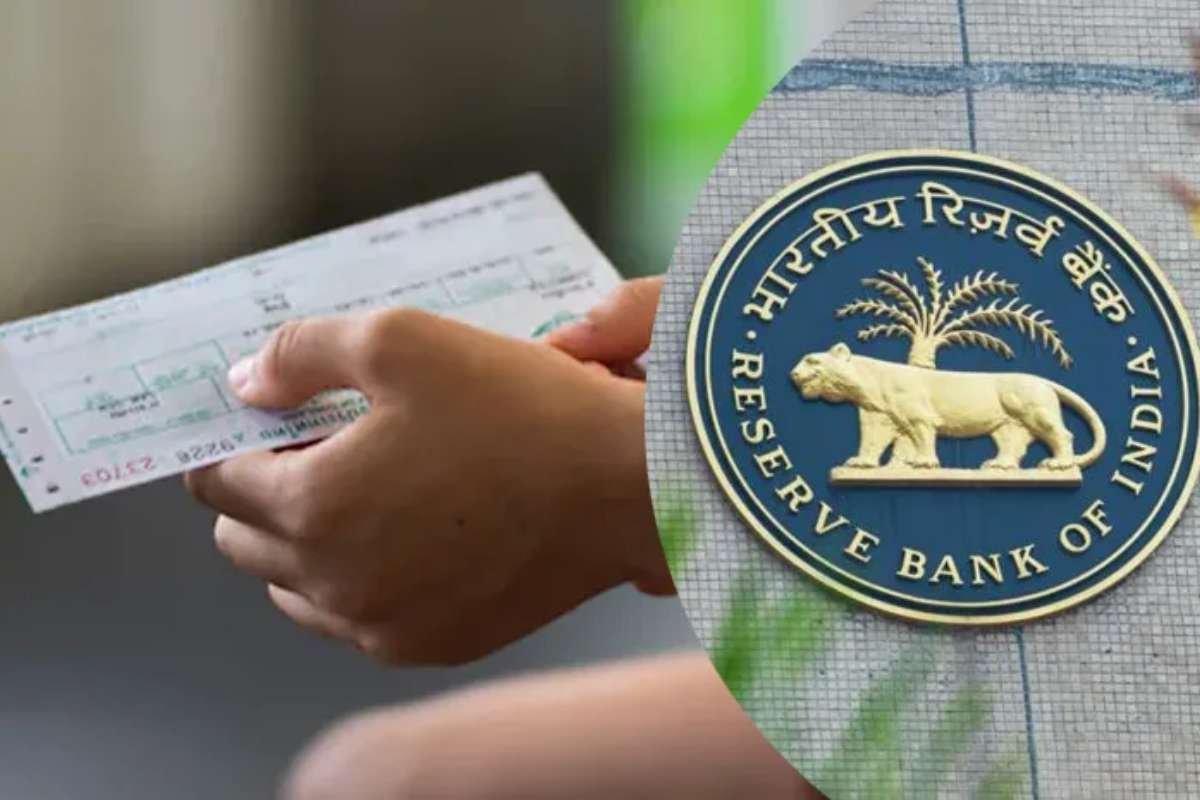



The Reserve Bank of India is proposing electronic cheques, or e-cheques, to modernize the payment system under the RBI e-cheques initiative by combining traditional cheque reliability with digital speed, security, and efficiency, according to its Payments Vision 2028 report.
The central bank said the move is aimed at addressing evolving consumer and business needs while improving the overall efficiency of India’s financial ecosystem.
RBI Proposes Digital Alternative to Paper Cheques
An e-cheque is a digital version of a traditional paper cheque, created and transmitted online as part of RBI e-cheques adoption. The payer fills in the details, signs it using a secure digital method, and sends it to the payee or bank for processing. Banks verify and process e-cheques, such as physical cheques, but with faster turnaround times, improved tracking, and reduced reliance on paper.
“Cheques as a payment instrument offer some unique benefits over other payment methods,” the RBI said in its report. The central bank noted that the new system aims to retain these advantages while enhancing speed and convenience.
The proposal builds on the Cheque Truncation System (CTS-2010), which digitized cheque clearing processes. However, the RBI said banks have added varying security features over time, leading to inconsistencies across the system.
Review Aims to Strengthen Security and Standardization
The RBI said it will conduct a comprehensive review of cheque design and security features to improve uniformity and reduce fraud risks.
The review will identify best practices and ensure their adoption across all cheque instruments under RBI e-cheques. Officials said this step is necessary to align legacy systems with modern payment processes. “The objective is to enhance security, standardize features, and ensure compatibility with emerging digital frameworks,” the report said. Industry experts said the move could help bridge the gap between traditional banking users and digital payment systems, particularly for businesses that still rely on cheques for transactions.
A senior banking official, who declined to be named, said e-cheques could “offer a familiar yet upgraded alternative for users hesitant to shift entirely to real-time digital payments.”
Broader Reforms Target Cross-Border Payments and Stability
In addition to e-cheques, the RBI outlined plans to review the cross-border payments framework to improve efficiency and ease of doing business.
The central bank said it will streamline authorization processes under the Payment and Settlement Systems Act, 2007, and the Foreign Exchange Management Act, 1999.
It also plans to explore recognizing small payment system providers under a perpetual regulatory sandbox, allowing controlled innovation within the sector.
Further, the RBI is examining the introduction of a Payments Switching Service (PaSS), which would enable customers to switch seamlessly between payment service providers.
To strengthen oversight, the RBI said entities playing a critical role in digital payments will be brought under tighter regulatory supervision as part of RBI e-cheques reforms. “These measures are aimed at promoting systemic stability and integrity while supporting innovation,” the report said. Analysts said the combined reforms reflect the RBI’s broader strategy to future-proof India’s payment infrastructure while maintaining trust and security.