


Key Takeaways
- Task force to drive technology adoption in national examination systems
- Focus on transparency and reliability in student assessment processes
- The expert panel will recommend reforms for scalable education infrastructure
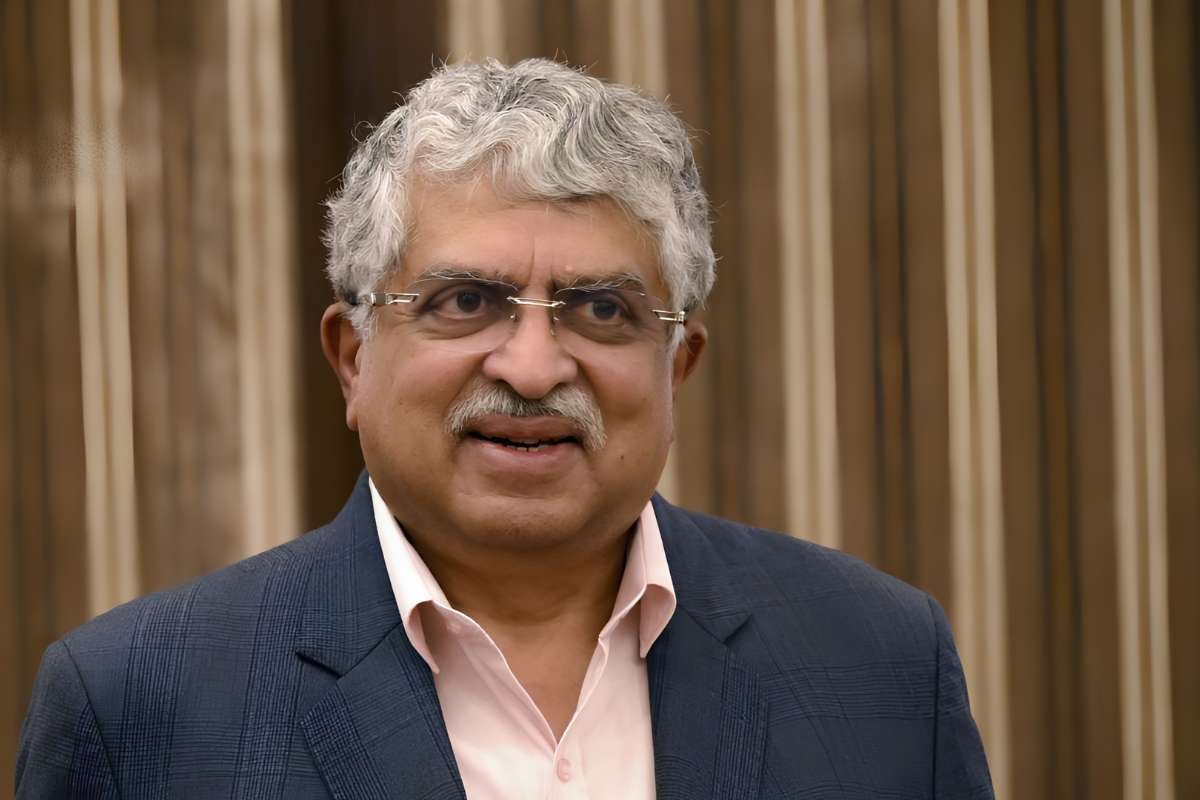
Nandan Nilekani has been appointed to lead a high-powered task force focused on reforming India’s education and examination systems. The initiative aims to strengthen system reliability, improve transparency, and expand the use of technology in conducting national-level exams.
Expert-Led Panel For System Transformation
The task force includes a group of experienced professionals from technology, education, and administration. Alongside Nilekani, members include S Somnath, Tapan Deka, V Kamakoti, Anita Karwal, and Amrit Lal Meena.
The panel has been assigned to evaluate existing examination systems and recommend improvements that can enhance efficiency and trust. The focus remains on strengthening operational processes, ensuring consistency in exam delivery, and reducing system vulnerabilities through structured reforms.
Nandan Nilekani’s experience in building digital infrastructure is expected to play a central role in shaping the direction of these reforms. His leadership is aligned with the objective of creating scalable systems capable of handling large volumes of candidates across multiple regions.
The group is expected to study current practices in examination management, identify gaps in execution, and propose solutions that can be implemented across institutions. This includes reviewing technology adoption levels, administrative workflows, and logistical coordination involved in conducting exams.
Technology Focus And Industry Implications
The formation of the task force under Nandan Nilekani highlights the increasing importance of technology-driven systems in India’s education sector. With millions of students participating in competitive examinations each year, the demand for reliable and efficient systems continues to grow.
The panel is expected to recommend frameworks that support digital integration, data management, and process automation. These changes could improve the speed and accuracy of examination processes while reducing operational complexity.
For entrepreneurs and business owners, the development signals potential growth opportunities in education technology, software solutions, and logistics services. Companies providing digital platforms, secure data systems, and operational tools may see increased demand as reforms are implemented.
With Nandan Nilekani heading the task force, India’s education system is gradually moving toward structured digital transformation. The emphasis on technology adoption reflects a broader trend of modernising public systems to improve service delivery and scalability.
The task force is also expected to focus on creating systems that ensure consistency across examination processes. This includes strengthening monitoring mechanisms, improving coordination between agencies, and enhancing the overall infrastructure supporting exams.
The recommendations from the panel are likely to influence future investments in education technology and infrastructure. Businesses operating in related sectors may benefit from increased collaboration opportunities as institutions adopt new systems.
By combining expertise from multiple domains, Nandan Nilekani and the task force aim to build a more dependable and efficient examination framework. The focus on technology and process improvement reflects a long-term approach to strengthening India’s education ecosystem while supporting the needs of students and institutions.
Visit Business Viewpoint Magazine For The Most Recent Information.