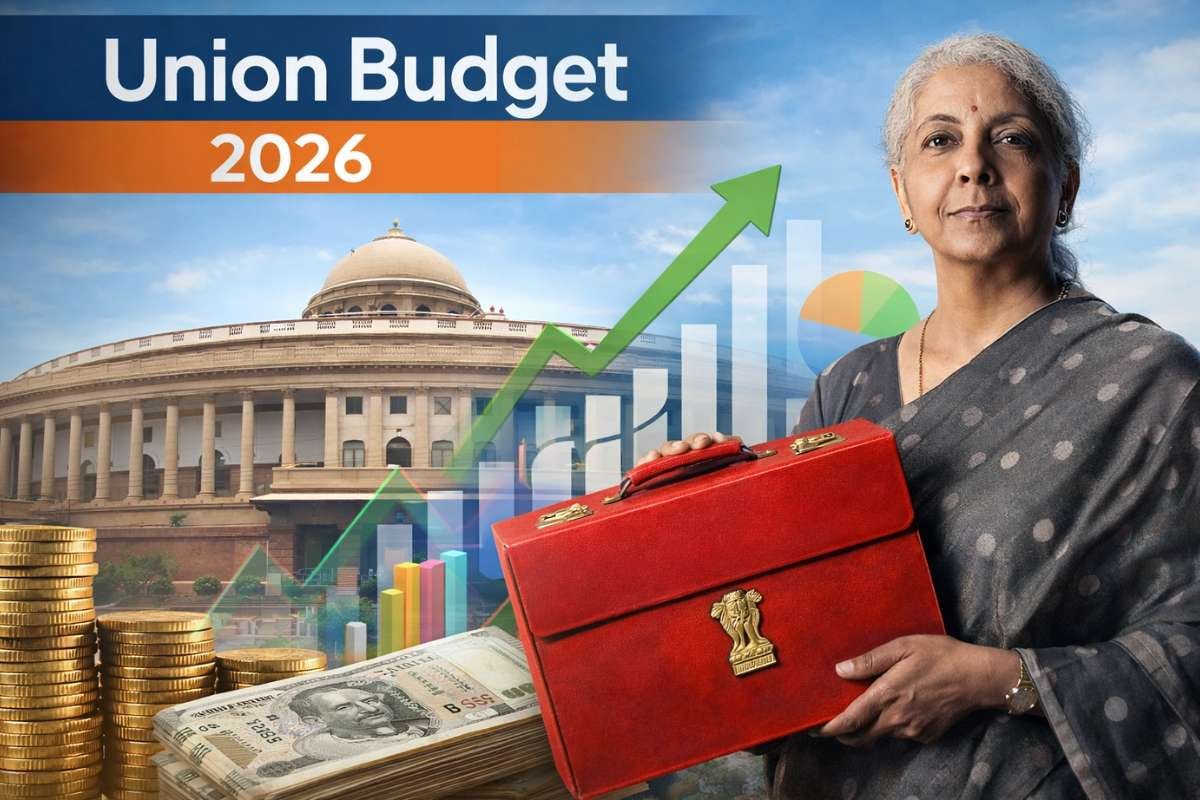
The Union Budget drops once a year. And suddenly, everyone becomes an economist. News anchors shout. Stock markets jump. WhatsApp groups panic. And leaders? They grab the mic first.
Before common people even finish reading the highlights, leaders start reacting. Politicians praise or protest. CEOs nod or hesitate. Economists adjust their glasses. That’s when one question takes over the room: What do leaders say about the union budget?
Why does it matter? Because leaders translate big numbers into real meaning. Their words move markets, shape confidence, and hint at what comes next. A single statement can boost stocks, calm investors, or worry households.
The budget speaks in numbers. Leaders speak with impact. And listening to them helps us understand what the budget really means for jobs, taxes, growth, and daily life, without reading a 200-page document.
Overview of the Union Budget
The main goals of the current Union Budget focus on growth with stability. The budget pushes infrastructure, job creation, digital progress, and fiscal discipline. Key focus areas include capital spending, welfare schemes, tax stability, and support for businesses.
In simple words, the budget tries to balance ambition with caution. It spends on roads, railways, housing, and technology while keeping debt under control. That balance explains why What do leaders say about the union budget. becomes such a hot topic every year.
What Political Leaders Say About the Union Budget?
Political reactions set the first tone after the Union Budget. These voices reach millions within minutes. Supporters listen for confidence. Critics listen for gaps. Together, they shape how the country understands the budget.
1. Ruling Party Leaders’ Views
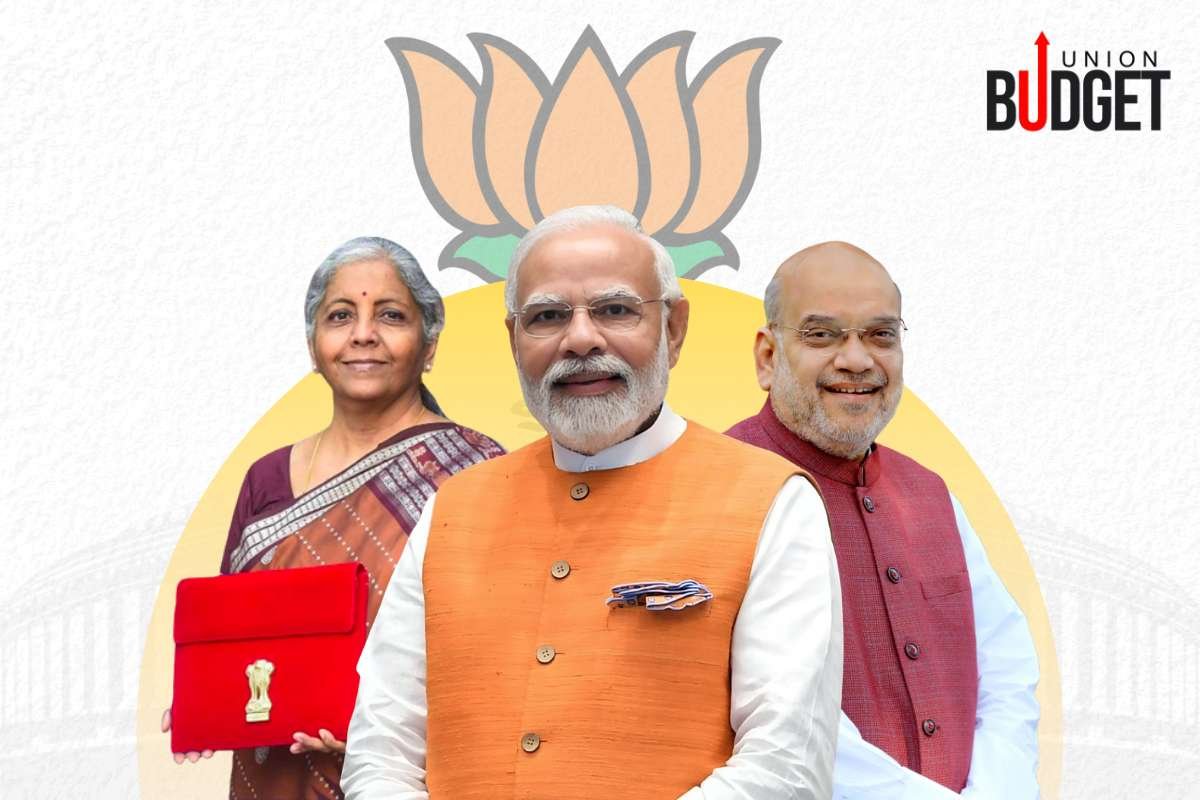
Leaders from the Bharatiya Janata Party (BJP) largely welcome the Union Budget.
Prime Minister Narendra Modi describes the budget as future-ready. He often links it to long-term national goals like infrastructure growth, employment, and India’s global standing. According to him, the budget supports a strong and self-reliant India.
Finance Minister Nirmala Sitharaman, who presents the budget, explains it as a balance between growth and responsibility. She highlights higher capital spending on roads, railways, housing, and digital infrastructure. She also points to steady tax policies and controlled fiscal deficit as signs of discipline.
Home Minister Amit Shah focuses on continuity. He says the budget builds on past reforms and strengthens economic stability. When ruling party leaders speak about their opinion on the union budget, they stress confidence, vision, and consistency.
Their common message stays clear. Spending today creates jobs tomorrow. Infrastructure now means growth later. Their tone remains hopeful, firm, and forward-looking.
2. Opposition Leaders’ Views
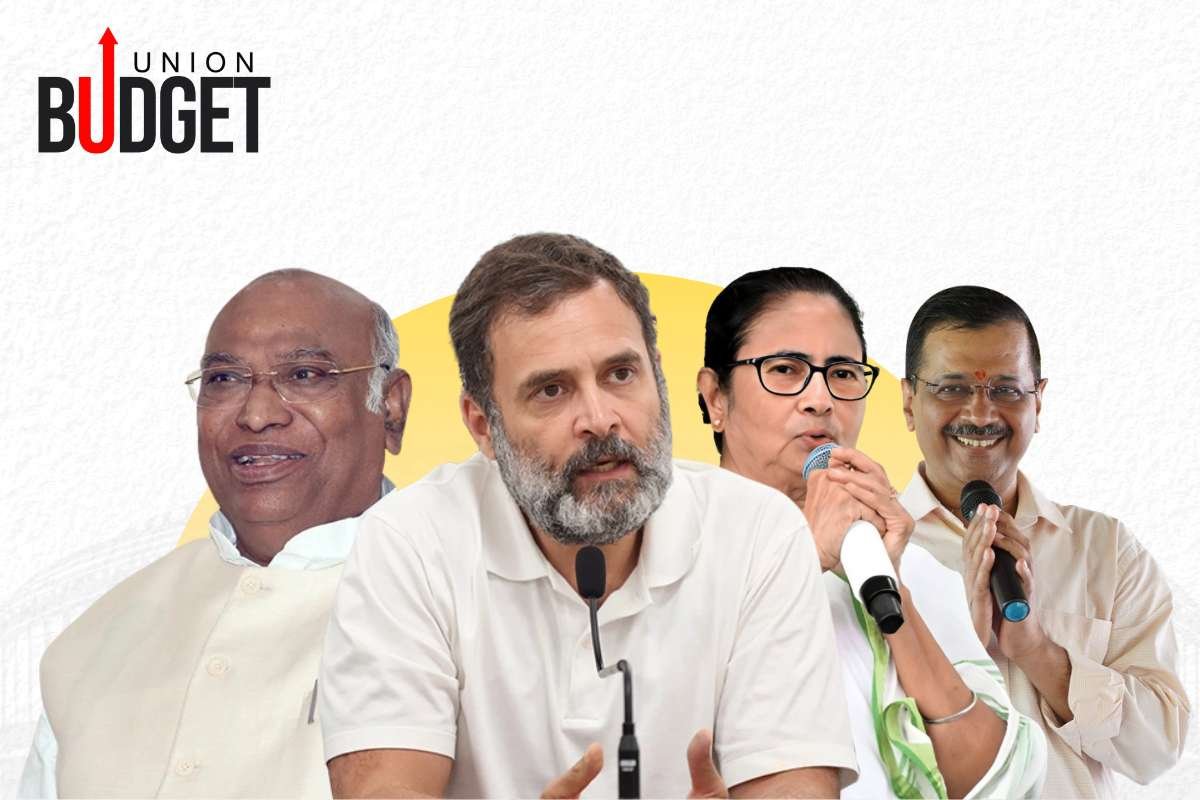
Opposition leaders respond with sharper questions and strong criticism.
Congress leader Rahul Gandhi argues that the budget favors big businesses over common people. He raises concerns about unemployment, rising prices, and income inequality. For him, what do leaders say about the union budget? becomes a way to question fairness.
Congress President Mallikarjun Kharge focuses on welfare delivery. He questions whether budget benefits truly reach farmers, workers, and the poor. He often says that growth numbers look strong, but ground reality feels different.
West Bengal Chief Minister Mamata Banerjee highlights state-level concerns. She questions fund distribution and demands more support for regional development.
Aam Aadmi Party leader Arvind Kejriwal talks about middle-class pressure. He points to taxes, education costs, and healthcare expenses.
Opposition leaders agree on one thing. The budget sounds impressive in speeches, but impact matters more than intent. Their criticism keeps public debate alive and pushes accountability.
What Business Leaders Say About the Union Budget?
Business leaders read the Union Budget with a practical mindset. They do not look at politics. They look at numbers, stability, and future signals. Their reactions help everyone understand how friendly the budget is for business growth, jobs, and investment.
1. Corporate Leaders and CEOs
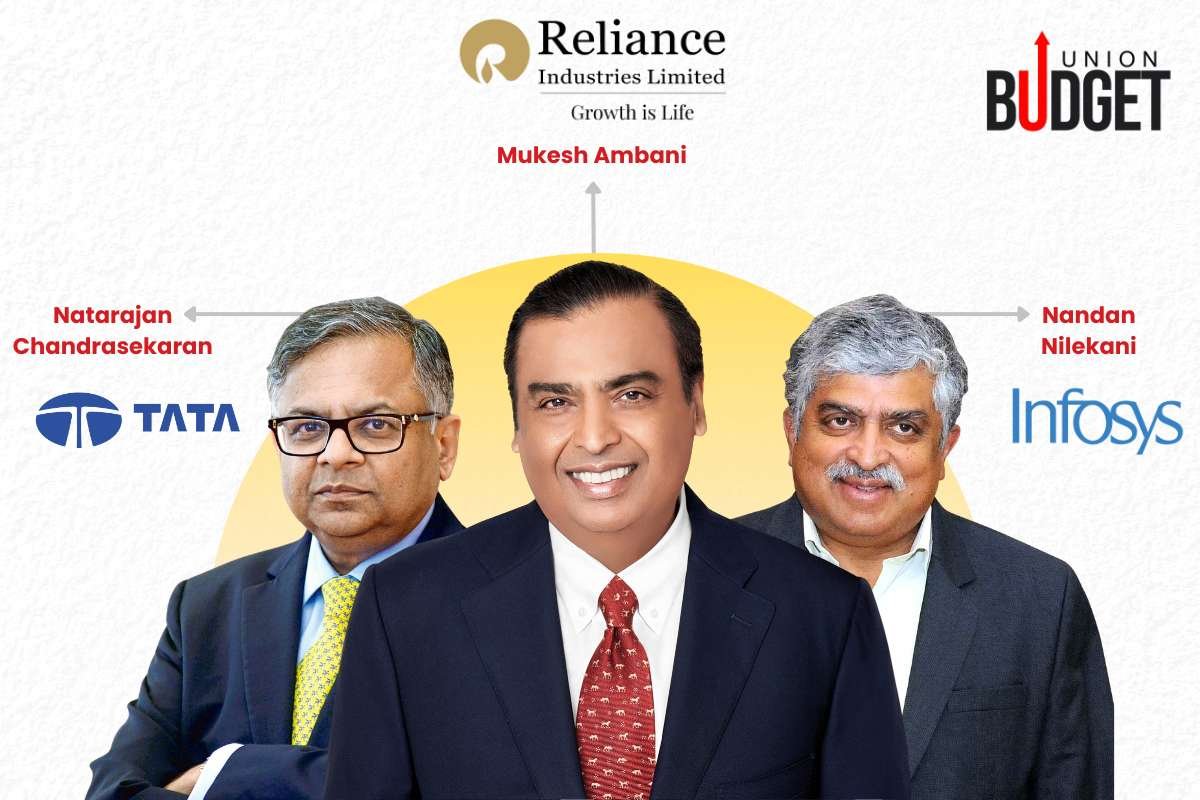
Top corporate leaders usually focus on three things: taxes, spending direction, and long-term stability. Many CEOs welcome budgets that avoid sudden tax changes. Stable tax rules help companies plan better.
- Mukesh Ambani, Chairman of Reliance Industries, has often supported budgets that push infrastructure and digital growth. He believes strong public spending creates demand across sectors like energy, telecom, and retail. Such budgets encourage private companies to invest more.
- Tata Group Chairman N. Chandrasekaran highlights capital expenditure and manufacturing support. Tata operates in steel, automobiles, IT, and power. For him, higher government spending on roads, railways, and green energy creates jobs and strengthens supply chains.
- Infosys co-founder Nandan Nilekani often focuses on digital governance. He appreciates budgets that support Digital India, fintech, and transparent systems. Clear digital policies reduce friction for large companies and startups alike.
When asked What do leaders say about the union budget?, most CEOs sound cautiously positive. They do not celebrate loudly. They check if the budget supports steady growth over many years.
Clarity matters to them. Clear rules help companies decide when to invest, where to expand, and how many people to hire. Uncertainty delays decisions. Stability speeds them up.
2. Startup Founders and Entrepreneurs
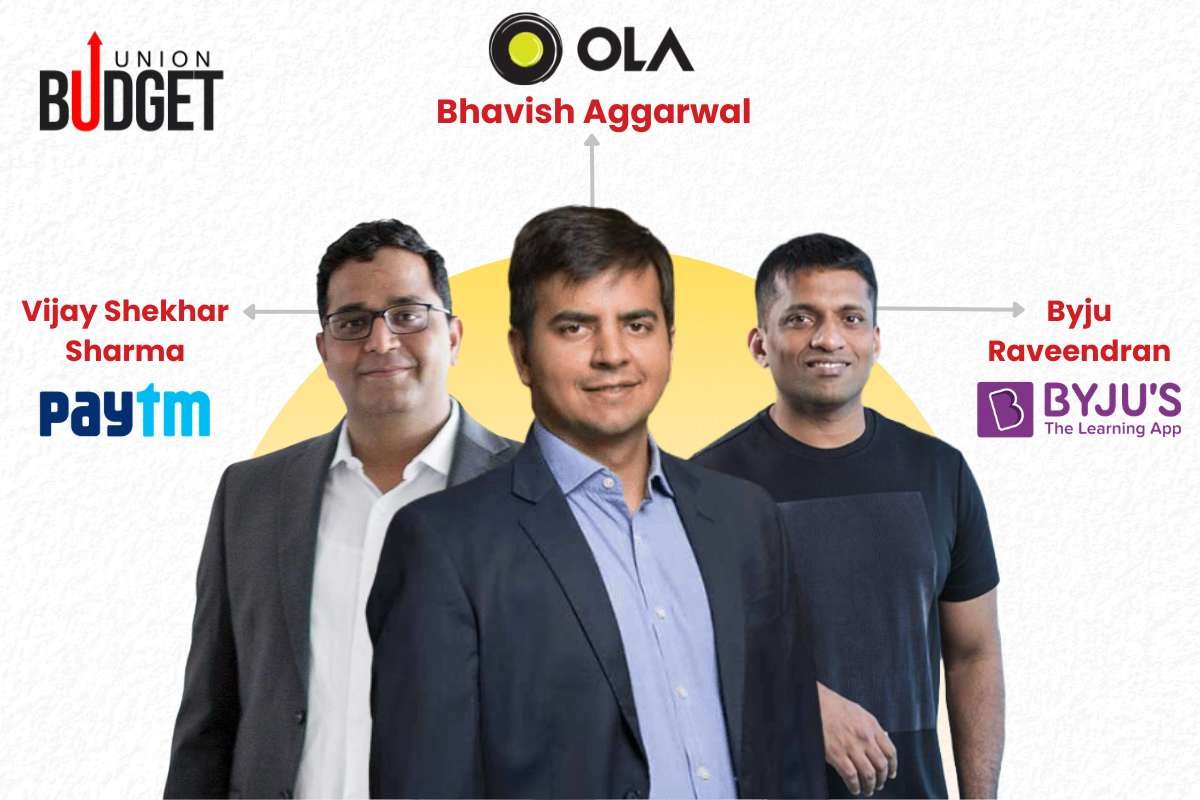
Startup founders read the budget with hope and caution. They look for signals on funding, compliance, and ease of doing business. Small changes make a big difference for young companies.
- Bhavish Aggarwal, founder of Ola, often supports policies that promote innovation and electric mobility. Budgets that support clean energy, EV infrastructure, and local manufacturing help startups grow faster.
- Vijay Shekhar Sharma, founder of Paytm, focuses on fintech rules, digital payments, and regulatory clarity. He values budgets that reduce confusion and support digital transactions. Clear rules build trust among users and investors.
- Byju Raveendran, founder of BYJU’S, looks at education, skilling, and digital learning. Budget support for online education and skill programs helps edtech startups reach more students.
For startup leaders, what do leaders say about the union budget? often reflects optimism mixed with expectation. They want faster approvals, simpler compliance, and easier access to credit.
MSMEs and startups depend on bank loans and government-backed credit schemes. When budgets strengthen these areas, entrepreneurs feel confident to hire, build, and expand.
In simple terms, business leaders want one thing. They want the government to create a smooth road. Businesses will drive on it themselves.
What Industry Leaders Say About the Union Budget?
Industry leaders look at the Union Budget from a practical angle. They care about spending, demand, stability, and long-term growth. Their reactions help people understand how the budget may work on the ground. This is why many people ask, What do leaders say about the union budget?, especially from key industries.
1) Manufacturing and Infrastructure Leaders
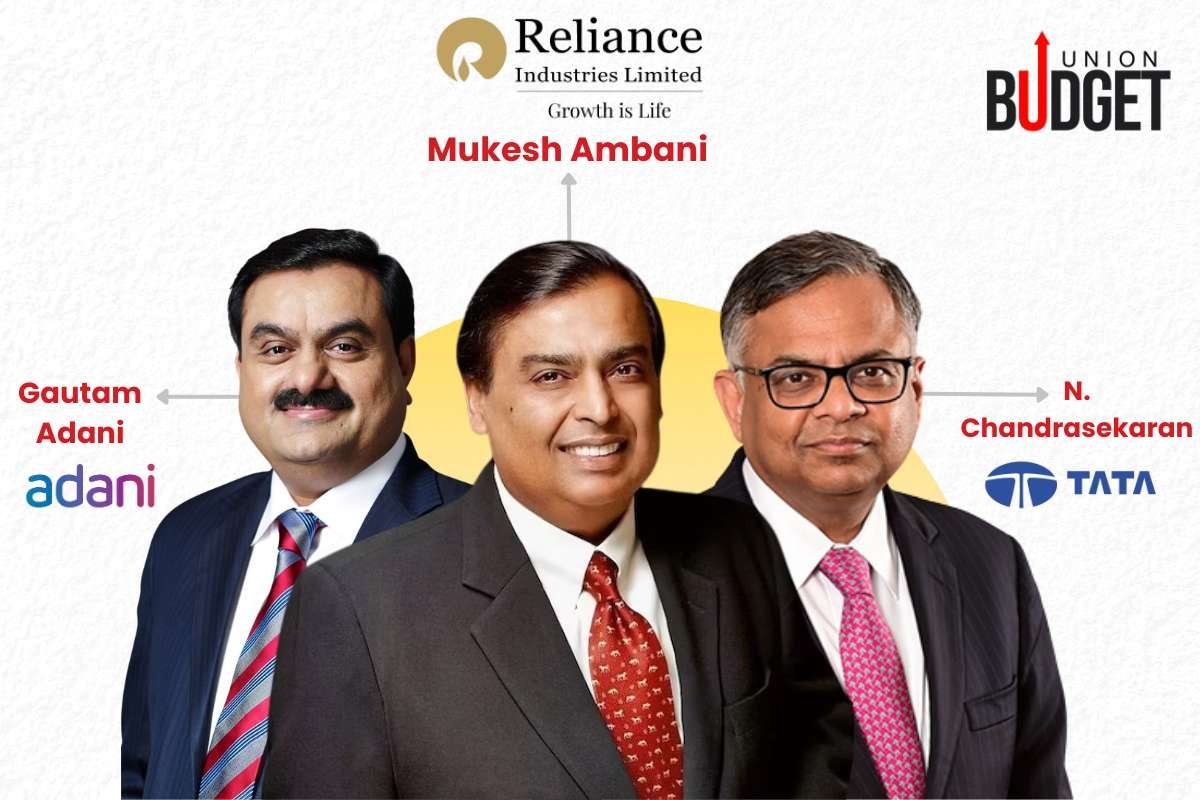
Manufacturing and infrastructure leaders mostly welcome the budget’s strong push on capital spending. They believe government spending creates demand, jobs, and faster growth.
- Mukesh Ambani (Reliance Industries) has often supported higher infrastructure spending. Leaders from large groups like Reliance see roads, ports, energy projects, and logistics as growth engines. Better infrastructure lowers costs and improves supply chains.
- Gautam Adani (Adani Group) also highlights the focus on ports, airports, power, and green energy. Infrastructure leaders say these investments create jobs quickly. Construction work boosts local income. Supporting industries also grow.
- N. Chandrasekaran (Tata Group) speaks about manufacturing incentives and long-term planning. Leaders from Tata welcome production-linked incentive schemes. They believe these policies help Indian companies compete globally.
For these leaders, what do leaders say about the union budget? often comes with confidence. They see steady demand, job creation, and stronger industrial growth ahead.
2) IT, Tech, and Digital Economy Leaders
Technology leaders read the budget with a future mindset. They focus on digital growth, innovation, skills, and data infrastructure.
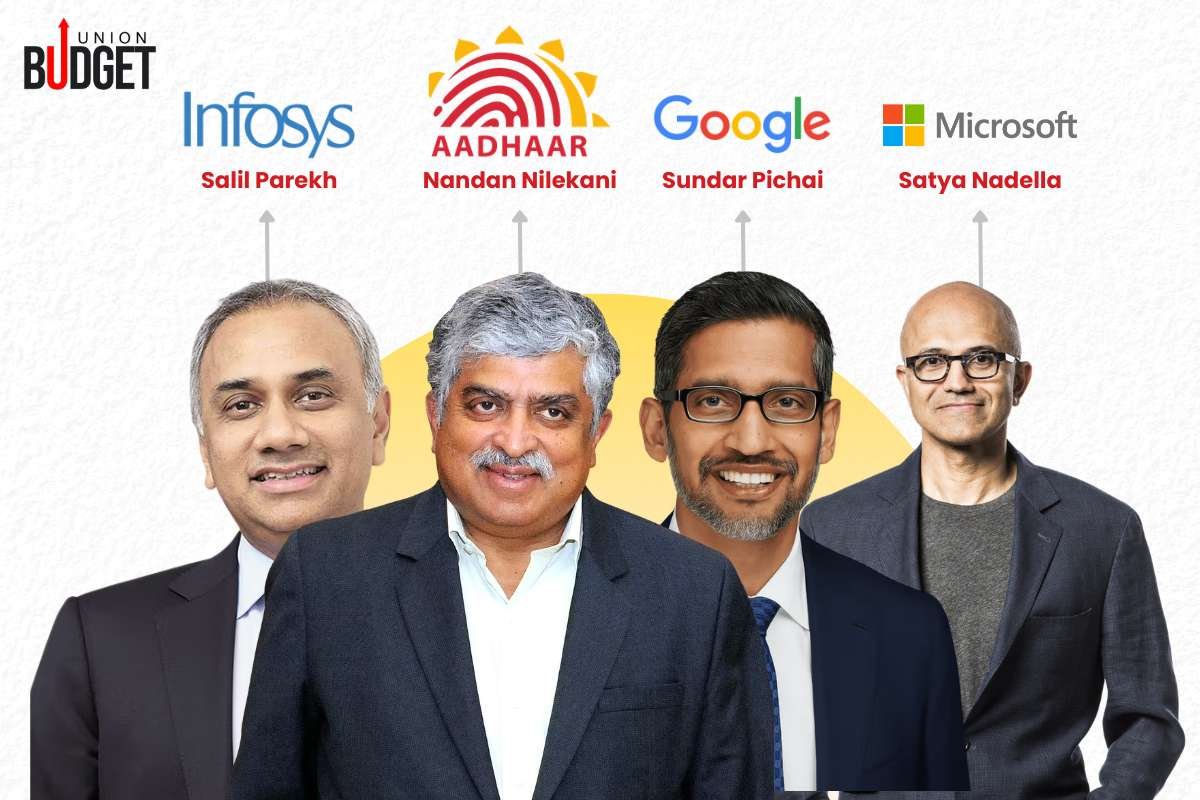
- Nandan Nilekani (Aadhaar, UIDAI) supports Digital India and technology-led governance. He believes digital systems reduce waste and improve delivery. Budget support for digital platforms excites leaders like him.
- Salil Parekh (Infosys) talks about skilling, AI, and global competitiveness. IT leaders welcome investments in digital infrastructure and education. They see it as a way to prepare India’s workforce for the next decade.
- Sundar Pichai (Google) and Satya Nadella (Microsoft) have earlier praised India’s digital vision. Budget support for data centers, startups, and innovation aligns with their long-term outlook on India.
For tech leaders, what do leaders say about the union budget? connects directly to future readiness. They want policies that support innovation, talent, and digital trust.
3) Banking and Financial Sector Leaders
Banking leaders study the budget with caution and discipline. They focus on fiscal deficit, borrowing plans, and credit growth.
- Uday Kotak (Kotak Mahindra Bank) often highlights the importance of fiscal balance. He believes controlled spending keeps inflation and interest rates stable. This helps banks lend safely.
- Shaktikanta Das (Former RBI Governor) stresses coordination between fiscal and monetary policy. Budget discipline supports financial stability. Banking leaders appreciate clarity in government borrowing plans.
- SBI and HDFC Bank leadership usually respond positively when budgets support credit flow to MSMEs and housing. They see growth opportunities when demand stays healthy.
For this sector, what do leaders say about the union budget? sounds balanced and data-focused. They support growth but closely watch risks.
What Economists and Policy Experts Say About the Union Budget?
Economists do not clap or shout after the budget speech. They read quietly. They study numbers line by line. They focus on growth rates, fiscal deficit, inflation, and long-term stability. When experts discuss what leaders opinion on the union budget, they move beyond politics and emotions. They ask one basic question: Will this budget hold strong in the long run?
1. Views from Leading Economists
- Dr. Raghuram Rajan, former RBI Governor and professor at the University of Chicago, often stresses balance. He supports growth-focused spending but warns against ignoring inflation and inequality. In recent budgets, experts like him highlight that fast growth must not weaken household savings or price stability.
- Arvind Subramanian, former Chief Economic Adviser to the Government of India, usually looks at fiscal discipline. He appreciates realistic deficit targets and honest budgeting. Policy experts from institutions like Ashoka University and Peterson Institute for International Economics agree that steady control builds global trust.
- Bibek Debroy, Chairman of the Prime Minister’s Economic Advisory Council, supports infrastructure-led growth. He explains that roads, railways, and logistics create jobs first and productivity later. Many economists from NITI Aayog echo this view.
2. Inflation and Cost of Living Concerns
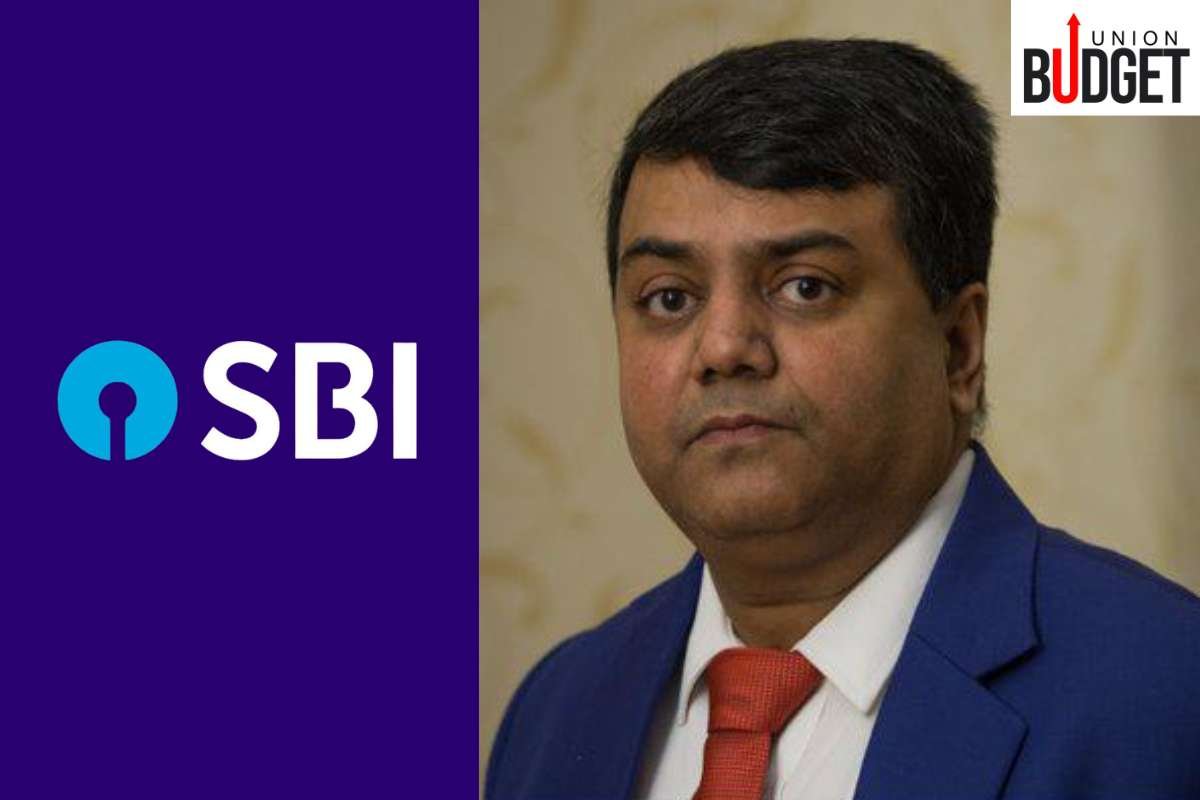
Economists such as Soumya Kanti Ghosh, Group Chief Economic Adviser at SBI, warn that inflation hurts common people the most. Even a growth-friendly budget must protect food prices and fuel costs. Experts say that ignoring inflation can cancel the benefits of welfare schemes.
3. Long-Term Sustainability Over Short-Term Praise
Policy experts from global brands like the IMF, World Bank, and OECD often comment on India’s budget framework. Their shared view is simple. Big spending is good only when revenue growth supports it. They prefer gradual reforms over loud announcements.
That is why, when economists answer What do leaders say about the union budget?, their tone stays calm and cautious. They do not chase applause. They care about sustainability, credibility, and resilience.
In simple words, economists act like doctors for the economy. They may not excite crowds, but their advice keeps the system healthy for years, not just one budget season.
What State Leaders and Regional Voices Say?
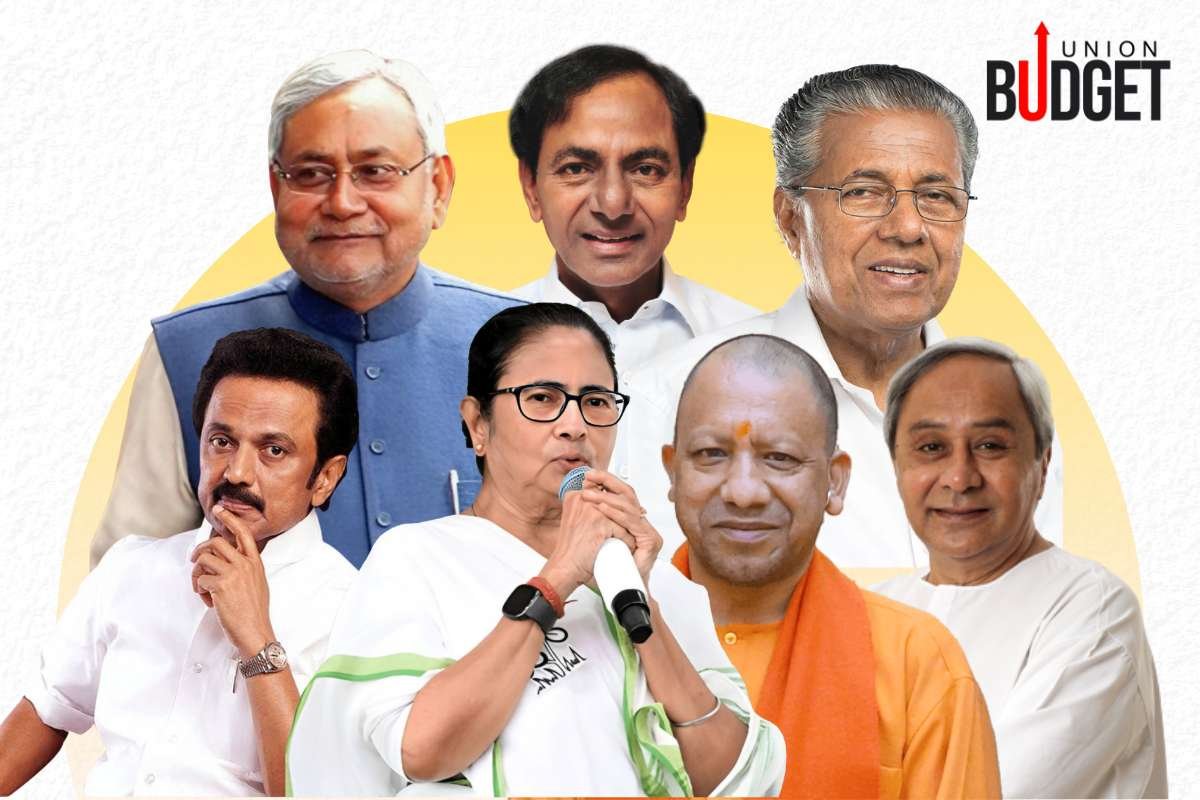
State leaders look at the Union Budget through a local lens. For them, the first question is simple: What does my state get? Chief ministers focus on fund allocation, central support, and project approvals. Their reactions depend on how well the budget matches their state’s needs.
For example, Mamata Banerjee (Trinamool Congress, West Bengal) raises concerns about reduced central funds and delayed payments. She argues that Eastern states need more support for infrastructure, health, and employment. From her view, development should not favor only a few regions.
M.K. Stalin (DMK, Tamil Nadu) usually speaks about fair tax sharing and federal rights. He points out that states contributing more to the economy should receive balanced returns. When discussing What do leaders say about the union budget?, his focus stays on social welfare, education, and industrial growth.
In the north, Yogi Adityanath (BJP, Uttar Pradesh) highlights large infrastructure projects like expressways, airports, and urban development. He supports budgets that bring investment and jobs to populous states. His message often centers on scale and long-term growth.
Naveen Patnaik (BJD, Odisha) and Nitish Kumar (JD(U), Bihar) usually stress disaster relief, rural development, and poverty support. Coastal and agrarian states expect stronger backing for climate risks, farming, and basic infrastructure.
Southern leaders such as K. Chandrashekar Rao (BRS, Telangana) and Pinarayi Vijayan (CPI(M), Kerala) often question whether smaller or high-performing states receive fair treatment. They demand more flexibility and respect for state-level planning.
Across regions and parties, one theme remains common. State leaders want balanced development. They want funds to reach the ground. They want projects that match local realities.
That is why regional voices matter so much when people ask What leaders opinion on the union budget? Their reactions remind citizens that India grows best when every state grows together.
Common Themes in Leaders’ Reactions
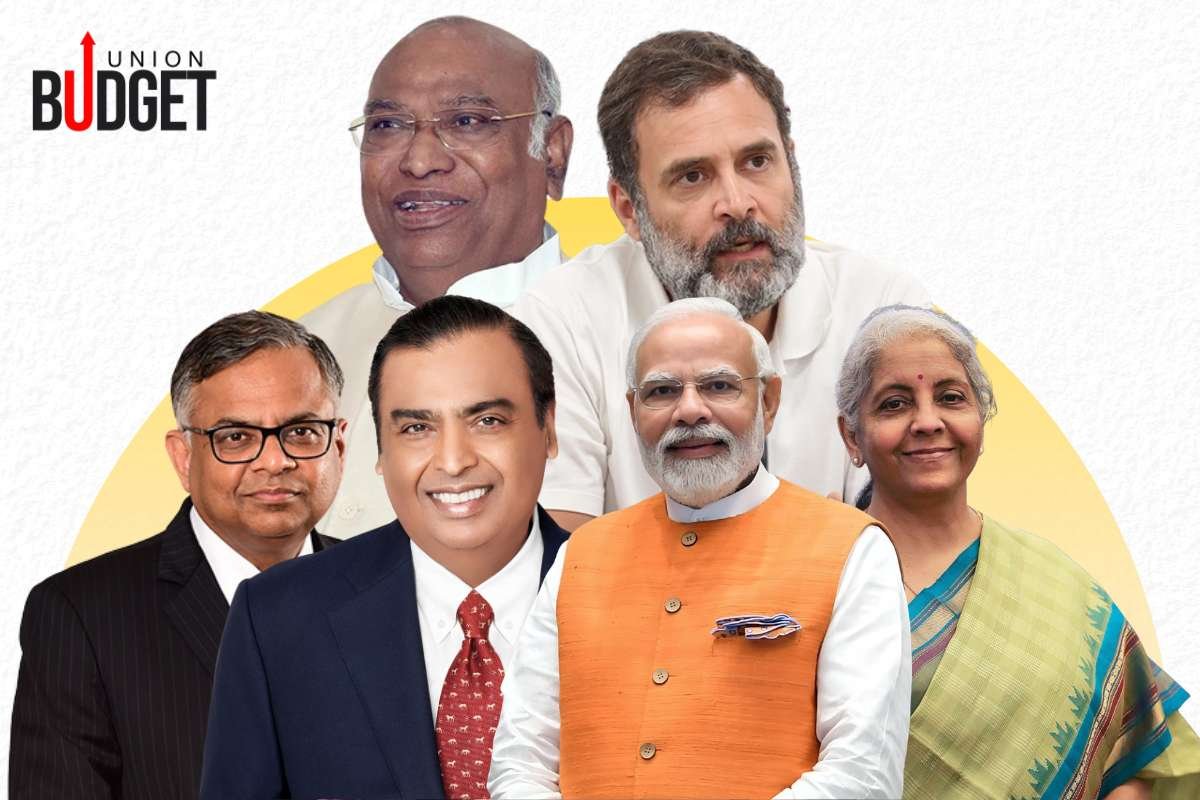
When leaders across politics, business, and industry react to the budget, some clear patterns appear. Many leaders agree on one major point: infrastructure spending matters. Prime Minister Narendra Modi and Finance Minister Nirmala Sitharaman highlight roads, railways, housing, and logistics as growth engines. Business leaders like Mukesh Ambani (Reliance Industries) and N. Chandrasekaran (Tata Group) also support this focus because better infrastructure lowers costs and creates jobs.
At the same time, disagreement shows up around the welfare reach and job speed. Opposition leaders such as Rahul Gandhi (Indian National Congress) and Mallikarjun Kharge question whether benefits reach small towns and low-income families fast enough. Some startup founders feel support exists, but execution moves slowly.
Because of these mixed views, optimism remains cautious. Leaders see opportunity but also risk. That is why What do leaders say about the union budget? never has one single answer. Each leader views the budget through their role, responsibility, and audience.
How Leaders’ Statements Impact the Economy and Public Sentiment?
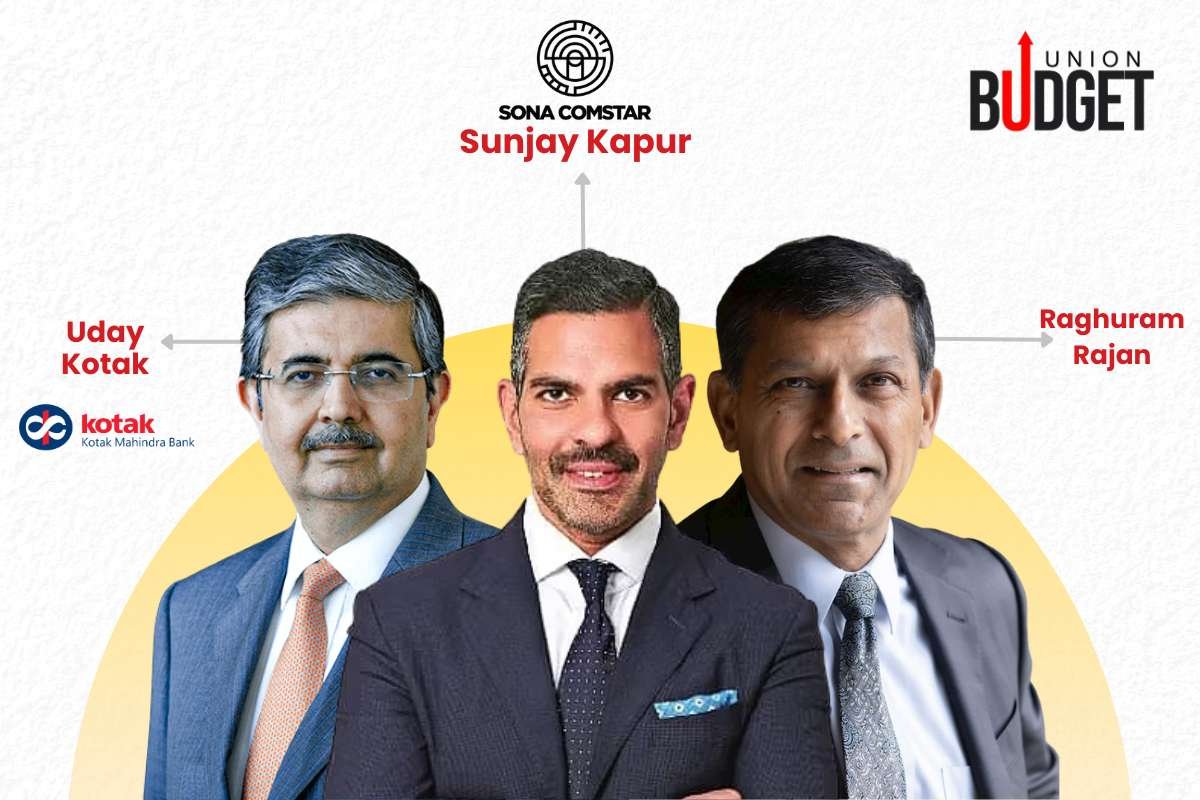
Leaders’ words do not stay on TV screens. They travel straight to stock markets. When corporate leaders like Sunjay Kapur (Sona Comstar) or Uday Kotak (Kotak Mahindra Bank) speak positively, investor confidence rises. Markets often react within minutes.
When economists such as Raghuram Rajan or policy experts raise concerns about inflation or fiscal pressure, markets turn cautious. Media headlines amplify these reactions. Social media spreads them faster.
Consumers also listen closely. Positive comments create confidence to spend. Critical remarks encourage saving and caution. This chain reaction shows why. What leaders opinion on the union budget? affects emotions, money decisions, and overall economic mood.
What does this mean for Common Citizens?
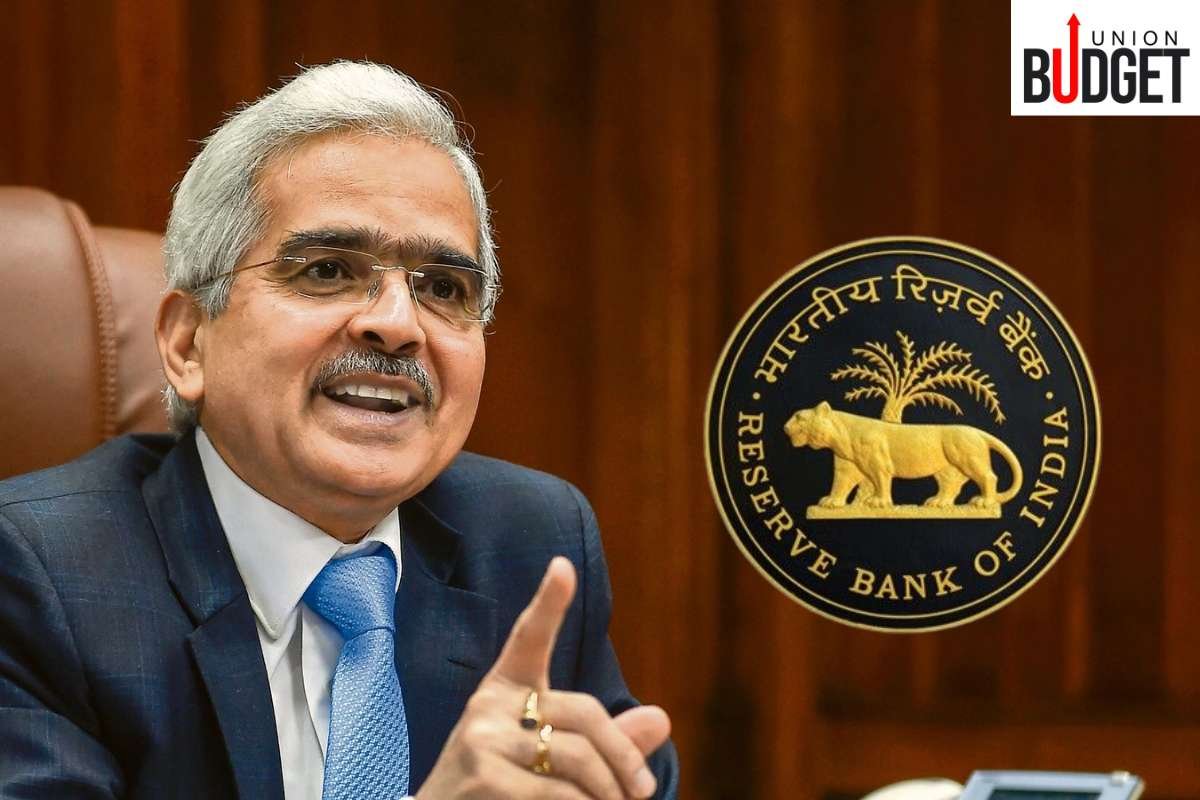
For common citizens, leaders’ views work like signals. When business leaders say hiring will grow, job seekers feel hopeful. When banking leaders like Shaktikanta Das (RBI) stress stability, people feel safer about savings and loans.
If political leaders highlight welfare schemes, families expect relief in food, housing, or healthcare. If opposition leaders warn about prices, households prepare for higher costs.
So when people ask What do leaders say about the union budget?, they are really asking one thing: How will my life change? Leaders translate complex numbers into everyday impact, jobs, taxes, prices, and support. That translation helps citizens plan their future with more clarity and confidence.
Facts:
- India’s capital expenditure focus aligns with the IMF growth recommendations.
- Fiscal deficit targets follow RBI sustainability guidelines.
- Budget documents published by the Government of India.
Conclusion:
The Union Budget may begin with numbers, but it ends with opinions. Once leaders speak, the budget turns from a document into a direction. Some reactions bring confidence. Some raise tough questions. Others push for faster action. Together, they help people understand what the budget means beyond charts and tables.
That is why asking What do leaders say about the union budget? matters so much. Their words shape trust, influence decisions, and guide expectations. When citizens listen to all voices, political, business, and expert, the budget feels less confusing and more personal. And that clarity helps everyone prepare better for the year ahead.
FAQs
Q) Why are leaders’ opinions important after the budget?
A) They explain impact and intent.
Q) Do leaders’ reactions affect government decisions?
A) Yes. Feedback influences policy tweaks.
Q) Are business leaders more positive than political leaders?
A) Often, yes, due to growth focus.