
Key Points:
- Demis Hassabis stressed that current AI systems are powerful but still fall short of true AGI due to gaps in continual learning, long-term planning, and consistency.
- Global AI leaders, including Sam Altman, Sundar Pichai, and Dario Amodei, debated AGI’s limits and emphasized responsible deployment.
- Healthcare emerged as a major focus, with AI seen as transformative for drug discovery and accelerating medical innovation.
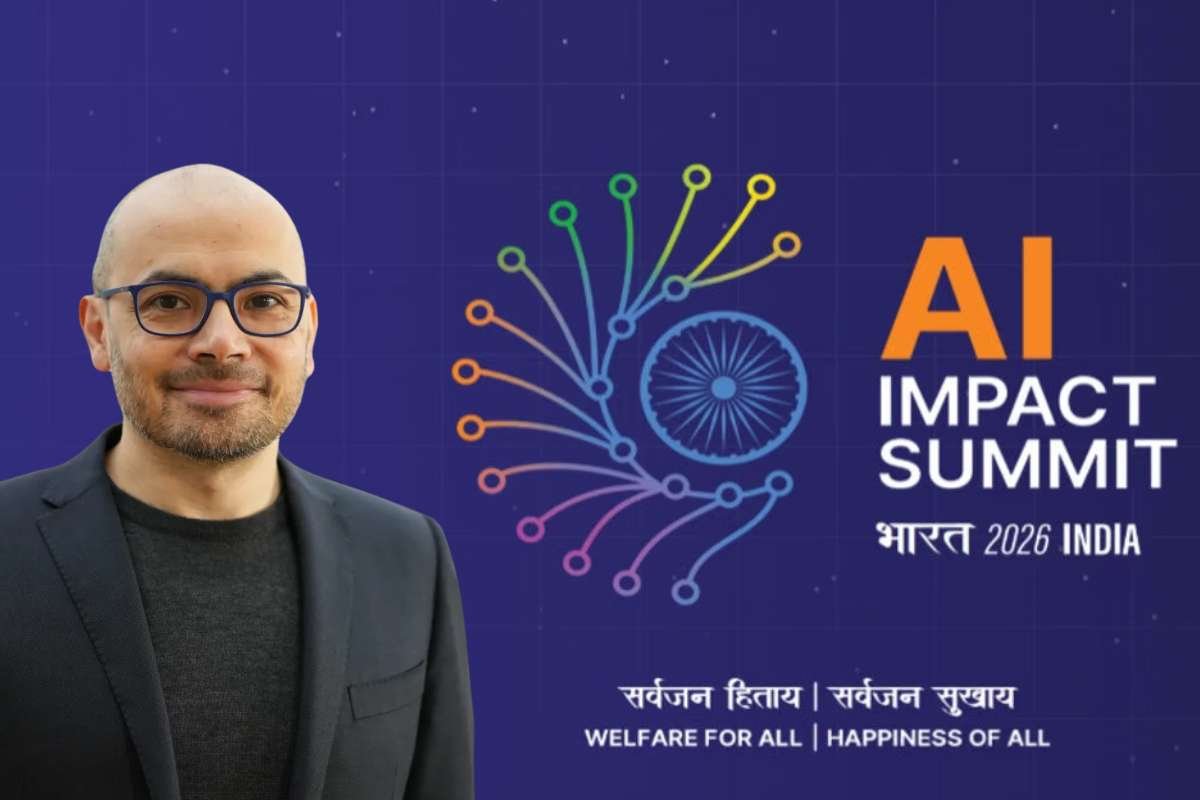
Speaking at the AI Impact Summit in New Delhi, Google DeepMind CEO Demis Hassabis said current AI systems can win math gold medals yet still miss simple sums, underscoring why true artificial general intelligence has not arrived.
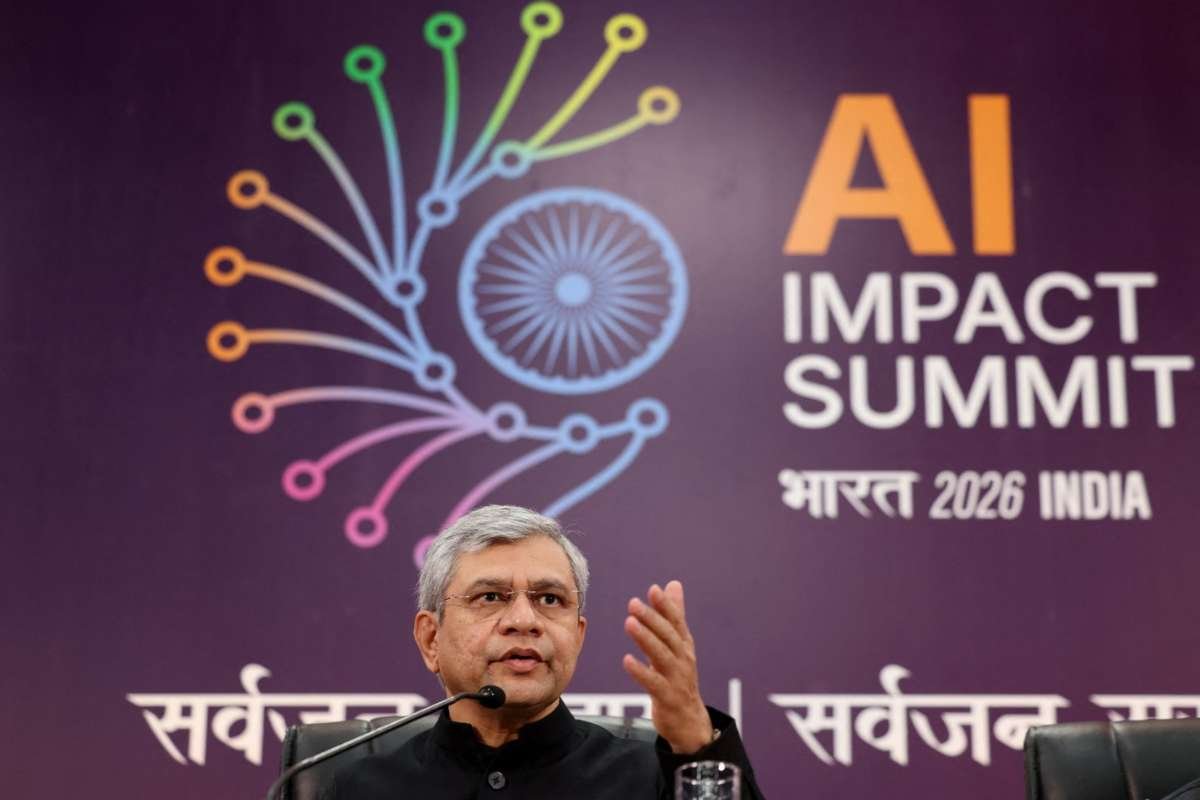
Demis Hassabis addressed global technology leaders and policymakers gathered at the AI Impact Summit, where debate over artificial general intelligence, or AGI, dominated discussions about the future of computing, healthcare, and economic growth.
AI Leaders Debate Limits Of Current Systems At Summit
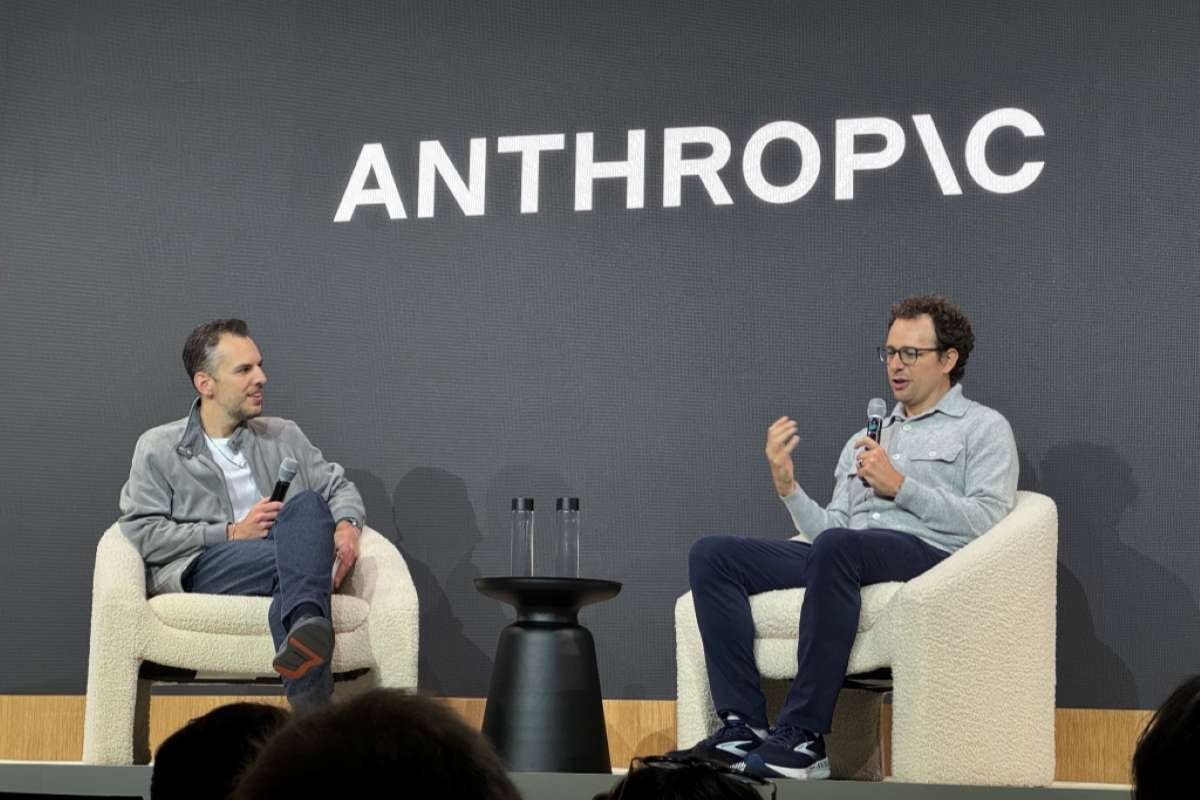
The summit brought together senior executives, including OpenAI CEO Sam Altman, Anthropic CEO Dario Amodei, Google CEO Sundar Pichai, and Scale AI CEO Alexandr Wang, reflecting the growing geopolitical and commercial stakes around advanced AI systems.
AGI refers to a hypothetical form of artificial intelligence that can reason across domains like a human and solve problems beyond the data on which it was trained.
Asked at the summit whether today’s systems meet that standard, Hassabis responded directly. “I don’t think we are there yet,” he said.
His remarks came amid intense competition among companies racing to build more capable models such as Gemini and ChatGPT. While those systems demonstrate advanced reasoning and language skills, Hassabis said they still fall short of general human intelligence.
Demis Hassabis Lists Three Gaps Blocking True AGI
In his address, Hassabis outlined three major weaknesses that, he said, prevent current AI from reaching AGI.
First, he said, most systems lack continual learning. After training, many models are effectively fixed and cannot adapt in real time to new experiences or fully personalize themselves to changing contexts.
Second, he said current models struggle with long-term planning. While they can complete short-term or narrowly defined tasks, they cannot form coherent strategies that unfold over years in the way humans can.
Third, Hassabis highlighted inconsistency. He noted that AI systems can solve highly complex mathematical problems and even perform at a gold medal standard in international competitions. Yet the same systems can make simple arithmetic errors if a question is phrased differently.
“A truly general system would be much more consistent,” he said, arguing that uneven performance reveals fundamental architectural limits.
Healthcare Emerges As Key Focus Of Summit Discussions
Beyond the debate over AGI, healthcare featured prominently in summit discussions. Demis Hassabis pointed to work at Isomorphic Labs, a company focused on applying AI to drug discovery, as an example of long-term societal impact.
He said AI systems could help accelerate the identification of promising compounds and potentially enable the development of dozens of medicines each year. That approach, he suggested, could shorten timelines that traditionally stretch over many years.
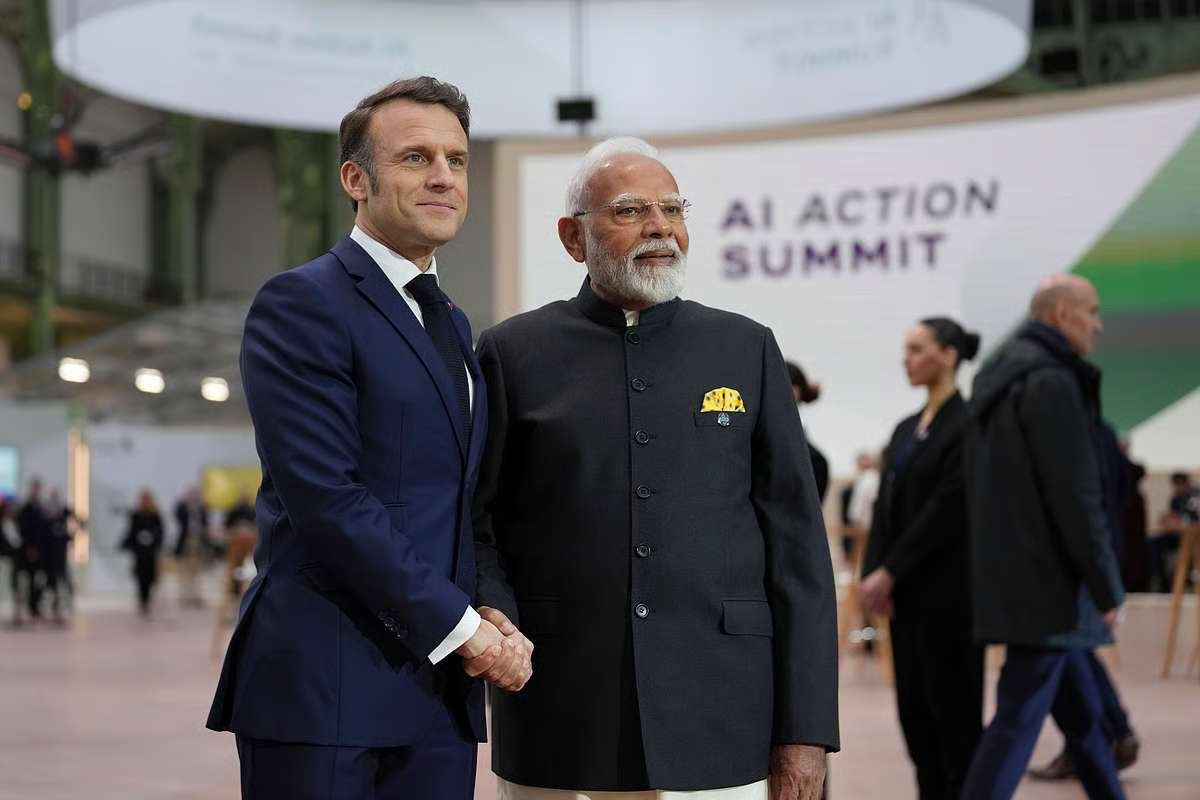
Other speakers at the summit also emphasized the need for responsible deployment and international coordination as AI capabilities expand. While acknowledging rapid technical progress, participants repeatedly cautioned against overstating current systems’ abilities.
Demis Hassabis said the path to AGI remains uncertain and will require breakthroughs in learning, reasoning, and reliability. Impressive demonstrations, he told the audience, should not be confused with human-level intelligence.
As the AI Impact Summit concluded its latest session in New Delhi, the message from one of the field’s leading researchers was measured: AI is advancing quickly, but the era of true general intelligence has not yet arrived.