

The heavy smell of diesel and hot asphalt hits the moment my feet touch the curb. A glance at the watch confirmed the inevitable delay while the crowd increased on the narrow pavement.
Standing here in one of the busiest cities in India, the morning starts with a calculated gamble on which bus door will open closest to me.
A collective sway begins as the metal frame lurches forward, turning every passenger into a single, cramped organism.
While one city struggles through this specific heat, others, such as Mumbai, Bengaluru, or Delhi, likely face their own versions of the morning grind.
Every urban hub has a different face, but the shared exhaustion makes one wonder which truly rank as the busiest cities in India today.
So, that’s what we are going to do today. Who do you think tops the list of Busiest Cities in India? Continue reading to find out.
India’s Top 10 Worst Traffic Cities Ranked by Time Lost and Frustration
It turns out there is a way to determine which cities are the busiest. And to do that, we must consider three things:
- Traffic congestion level represents the extra travel time required due to road density compared to free-flow conditions.
- Rush hour speed measures the actual pace a vehicle maintains during the peak periods of morning and evening commutes.
- The time lost during rush hour per year calculates the total number of hours an individual spends sitting idle or crawling in traffic each year.
So, based on these 3 criteria, we curated a list of the busiest Indian cities. We have ranked them according to traffic congestion level.
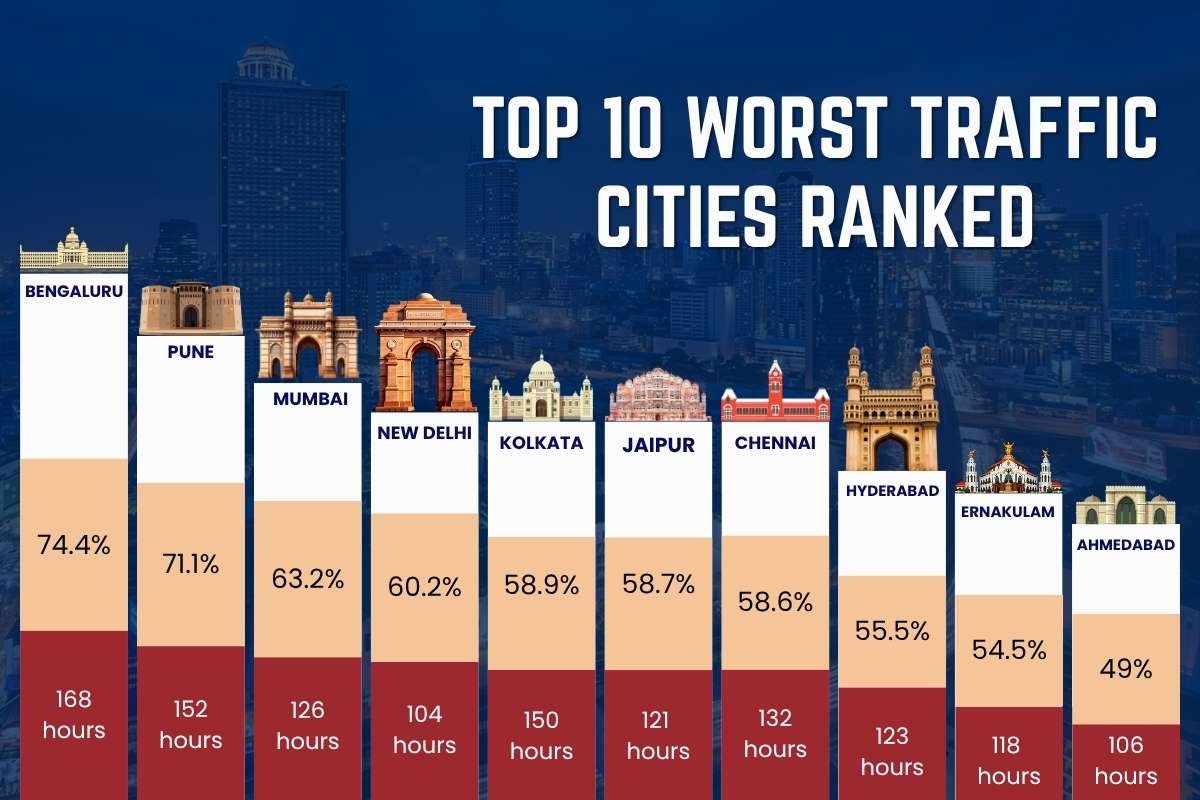
Here’s what we found out:
| Rank | City | Traffic congestion level | Avg. rush-hour speed (approx.) | Time lost during rush-hour per year |
|---|---|---|---|---|
| 1 | Bengaluru | 74.4% | 16.6 km/h | 168 hours |
| 2 | Pune | 71.1% | 18 km/h | 152 hours |
| 3 | Mumbai | 63.2% | 20.8 km/h | 126 hours |
| 4 | New Delhi | 60.2% | 25 km/h | 104 hours |
| 5 | Kolkata | 58.9% | 17 km/h | 150 hours |
| 6 | Jaipur | 58.7% | 20.5 km/h | 121 hours |
| 7 | Chennai | 58.6% | 19.2 km/h | 132 hours |
| 8 | Hyderabad | 55.5% | 18.4 km/h | 123 hours |
| 9 | Ernakulam | 54.5% | 20.1 km/h | 118 hours |
| 10 | Ahmedabad | 49% | 20.7 km/h | 106 hours |
1. Bengaluru

- Traffic congestion level: 74.4%
- Avg. rush-hour speed: 16.6 km/h
- Time lost during rush hour per year: 168 hours
Commuters spend 168 hours a year staring at the same bumper in front of them. The city moves at a pace of 14 km/h during peak hours. Thousands of IT workers sit in idling cars while the “Silicon Valley” of the East grinds to a halt. Narrow roads built for a smaller era now groan under the weight of 12 million vehicles. A simple 5-kilometre drive feels like a marathon through dust and construction debris.
2. Pune
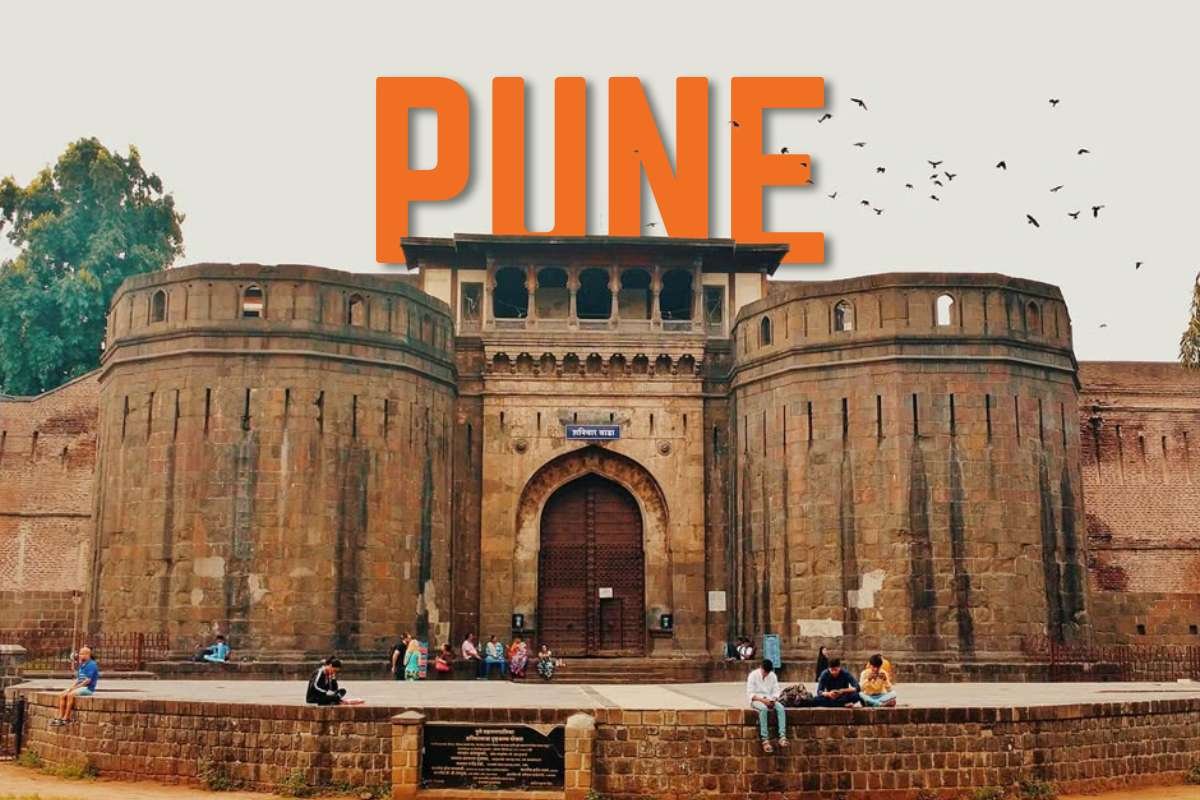
- Traffic congestion level: 71.1%
- Avg. rush-hour speed: 18 km/h
- Time lost during rush hour per year: 152 hours
Heavy tankers and construction trucks dominate the narrow lanes of this once-quiet town. The city lacks a grid-style road system, forcing all traffic into a few main arteries. Thousands of students and techies spend nearly six days a year stuck in gridlock. Potholes and ongoing flyover work turn the daily ride into a spine-rattling chore. It is a constant fight for space where the infrastructure has failed to keep up with the urban sprawl.
3. Mumbai
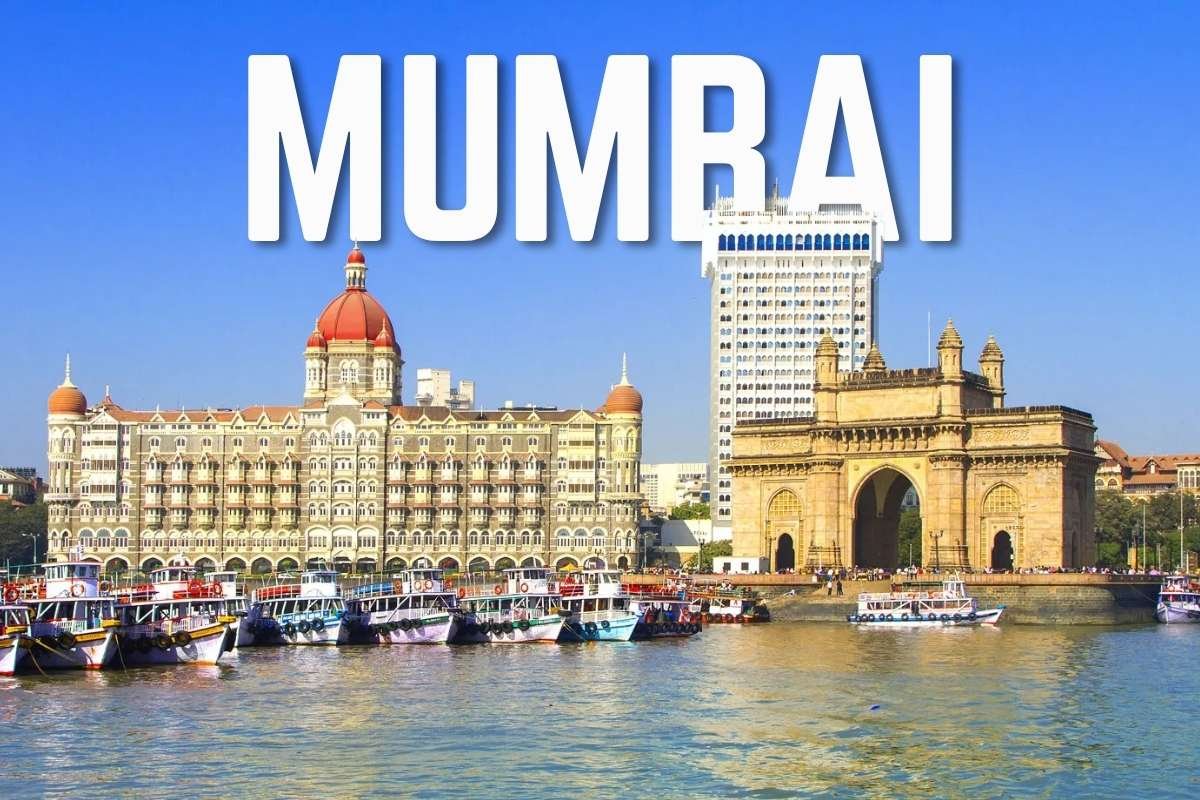
- Traffic congestion level: 63.2%
- Avg. rush-hour speed: 20.8 km/h
- Time lost during rush hour per year: 126 hours
This island city has the highest vehicle density in the country. Over 2,300 cars fight for every single kilometre of paved road. Commuters lose massive amounts of time navigating through the skeleton of unfinished metro pillars and monsoon-damaged asphalt. The humidity makes the cramped, slow-moving bus rides feel even longer. Navigating the busiest cities in India means your day is a desperate search for an inch of open tarmac.
4. New Delhi
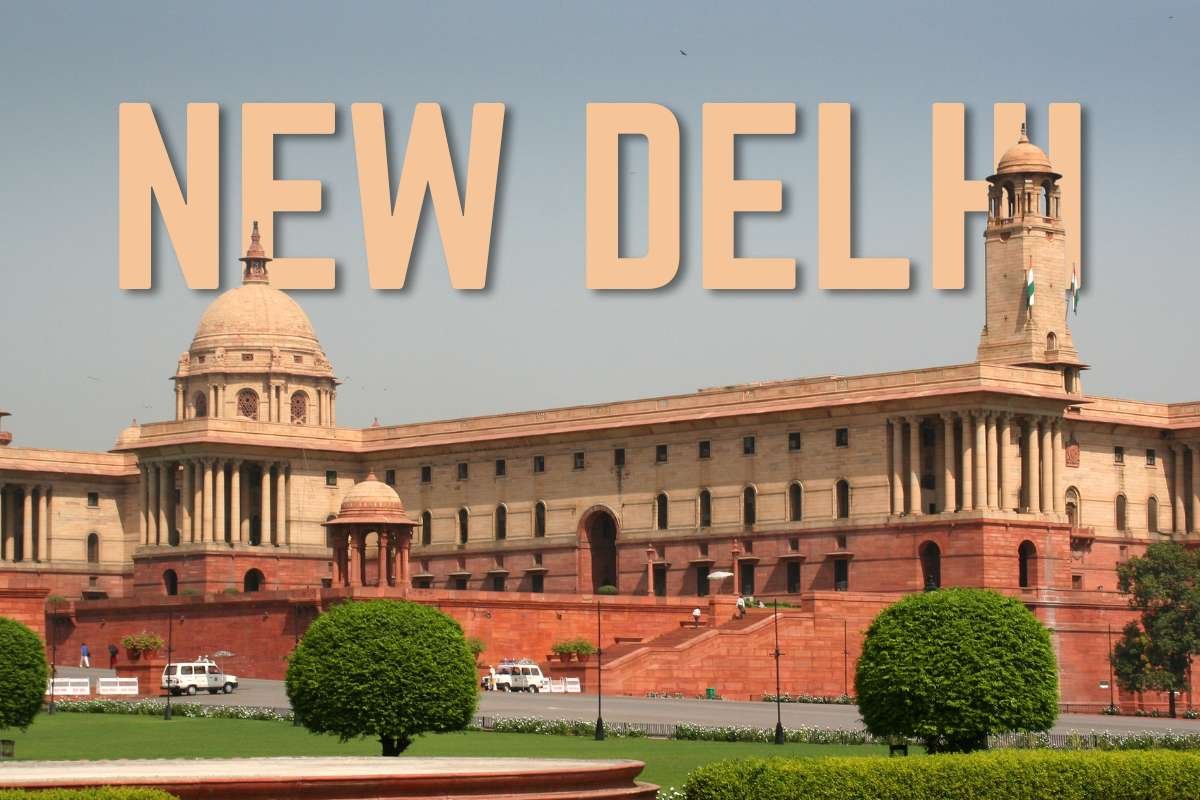
- Traffic congestion level: 60.2%
- Avg. rush-hour speed: 25 km/h
- Time lost during rush hour per year: 104 hours
The morning haze settles over wide boulevards that have turned into literal parking lots. Sprawl is the biggest enemy here, as people travel 50 kilometres just to reach an office. Private cars clog the highways because the “last mile” connectivity remains a broken promise for many. Every red light is a sea of engines emitting heat into an already heavy atmosphere. The sheer scale of the capital region creates an exhausting cycle of driving and waiting.
5. Kolkata
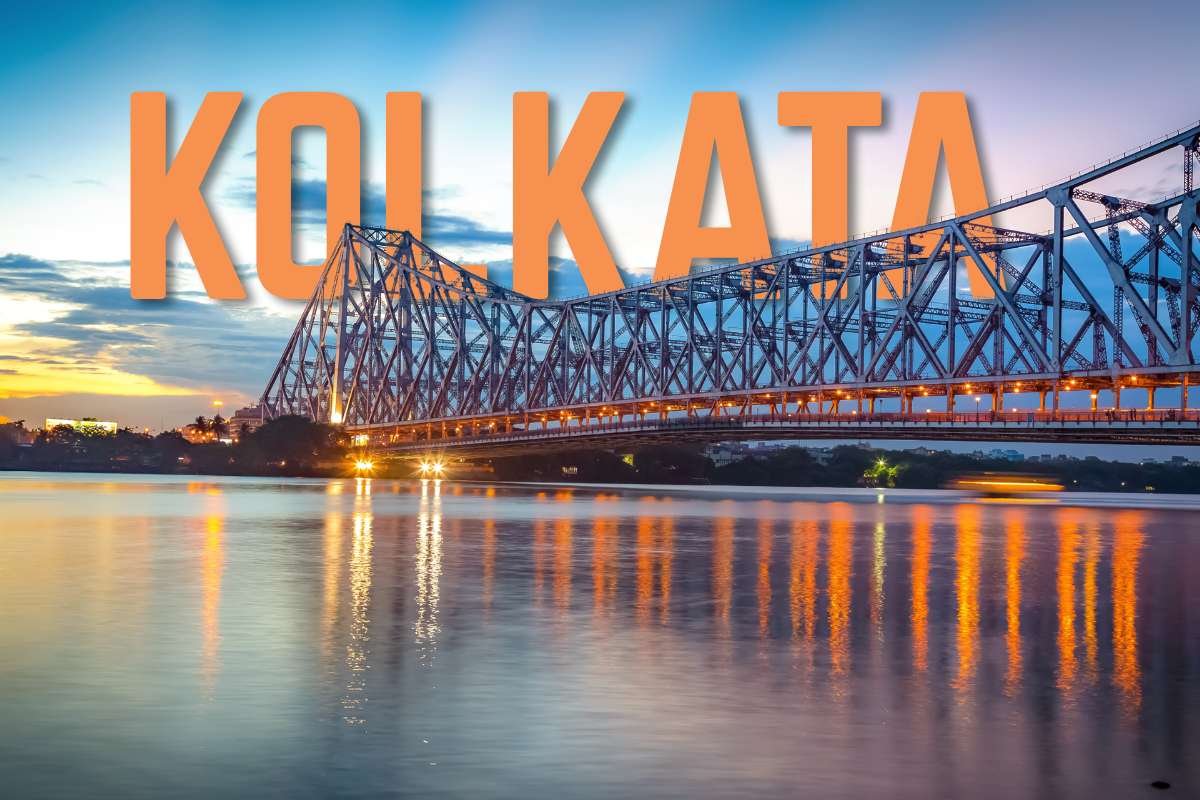
- Traffic congestion level: 58.9%
- Avg. rush-hour speed: 17 km/h
- Time lost during rush hour per year: 150 hours
Only 6% of the total land is dedicated to roads, which is the lowest among major metros. Trams, hand-pulled rickshaws, and yellow taxis all scream for the same tiny bit of space. Street markets spill onto the pavement, forcing pedestrians into the path of slow-moving buses. Finding a clear route through this dense, historic clutter is almost impossible during the day. This lack of road space is exactly why it stays in the list of the busiest cities in India year after year.
6. Jaipur
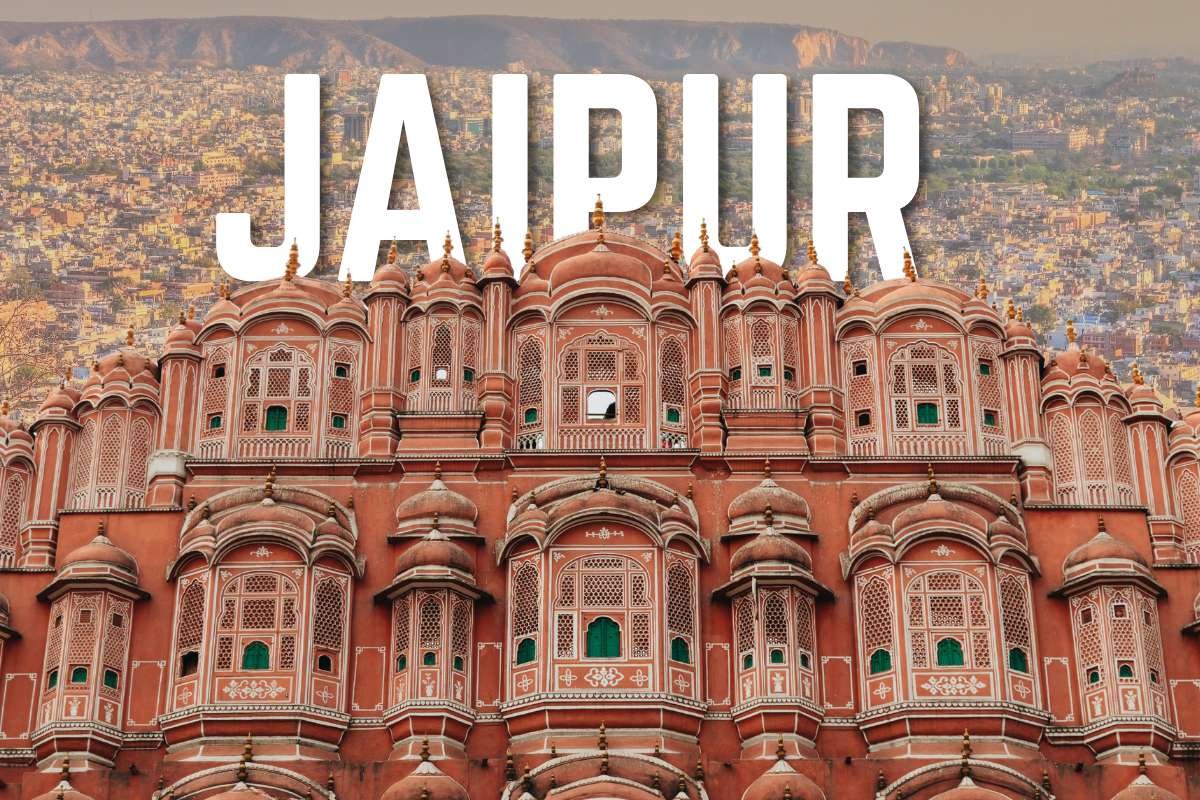
- Traffic congestion level: 58.7%
- Avg. rush-hour speed: 20.5 km/h
- Time lost during rush hour per year: 121 hours
Commuters here lose about 83 hours every year to peak-hour gridlock. It takes over 32 to 36 minutes to cover just 10 kilometres when the rush is at its worst. The city’s historic gates act as narrow funnels for a growing fleet of private cars and tourist buses. Even with new flyovers, the central heritage areas remain a high-stress bottleneck. Every trip to the old city is a slow crawl through a dense wall of sound and exhaust.
7. Chennai
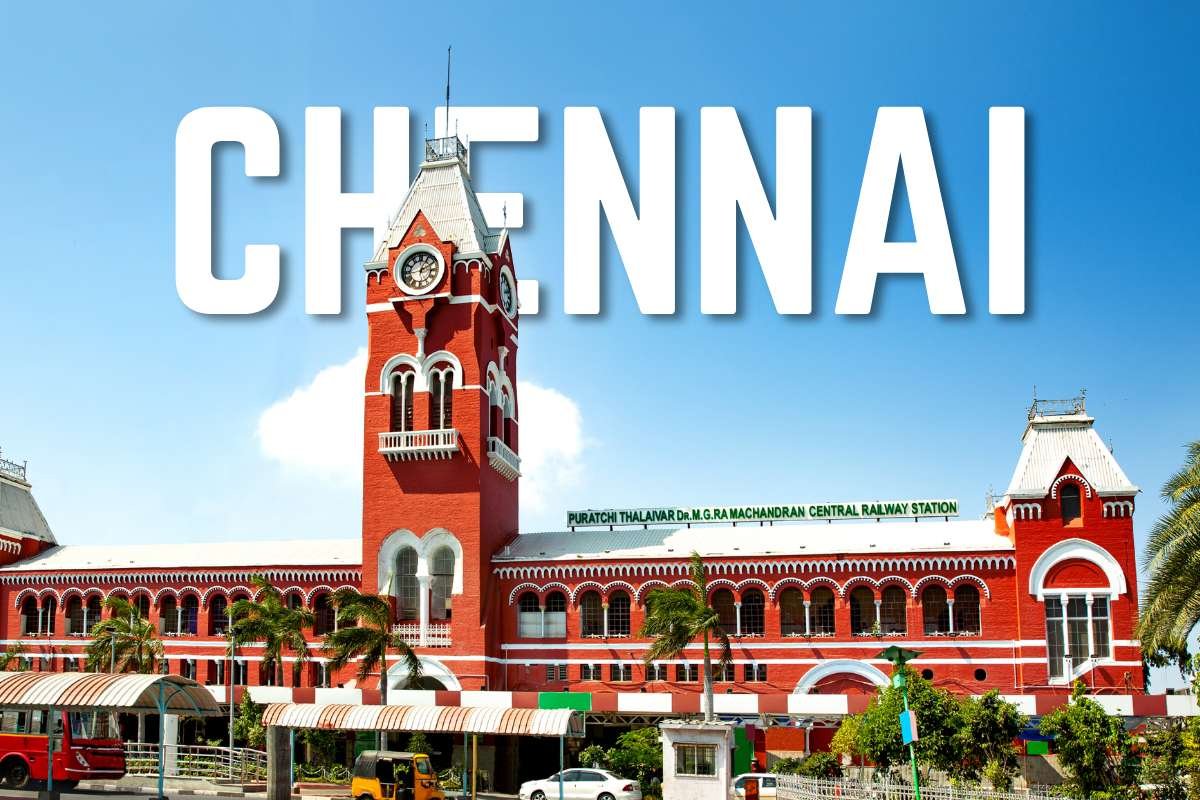
- Traffic congestion level: 58.6%
- Avg. rush-hour speed: 19.2 km/h
- Time lost during rush hour per year: 132 hours
Motorists in this coastal hub spend 132 hours annually stuck in traffic. Average speeds during the morning and evening peaks have plunged to roughly 19 km/h. Massive metro construction on major arteries such as Anna Salai has turned the daily commute into a series of long detours. Haphazard parking on main roads further narrows the space available for moving vehicles. The result is a humid, frustrating journey where the minutes slip away in a sea of red brake lights.
8. Hyderabad
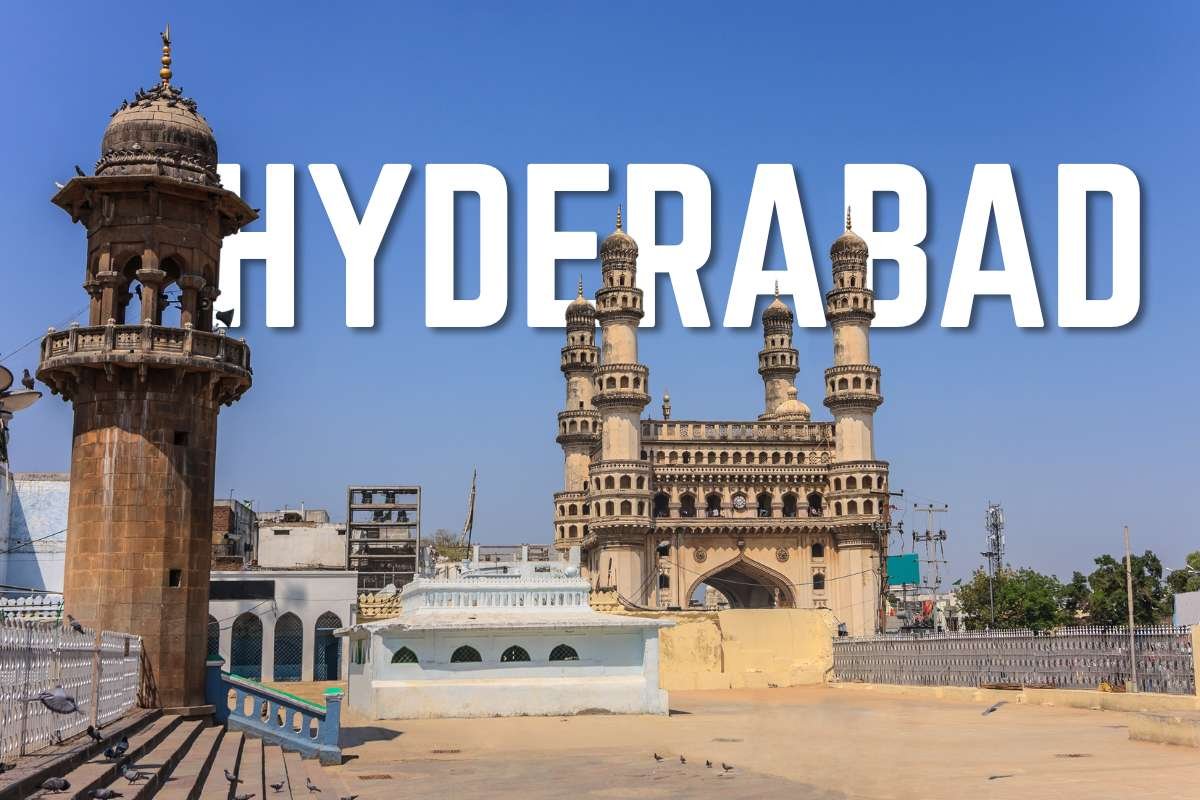
- Traffic congestion level: 55.5%
- Avg. rush-hour speed: 18.4 km/h
- Time lost during rush hour per year: 123 hours
Workers here lose 123 hours a year to the relentless crush of the IT corridor. It takes around 39 minutes to travel 10 kilometres during the most congested hours. While massive flyovers span the city, the junctions beneath them remain choked with thousands of two-wheelers. Rapid expansion toward the outskirts has pushed the infrastructure to its absolute limit. Travelling through one of the busiest cities in India means planning your life around the inevitable evening block.
9. Ernakulam

- Traffic congestion level: 54.5%
- Avg. rush-hour speed: 20.1 km/h
- Time lost during rush hour per year: 118 hours
This city ranks among the top 50 globally for congestion, with 118 hours lost per year by the average driver. Narrow bridges and water-locked roads create unavoidable traps for anyone crossing from the suburbs. A 10-kilometre trip currently takes about 38 minutes of stop-and-go driving. Poorly planned junctions and a sharp decline in public bus usage have forced more private cars onto the streets. Every morning feels like a physical battle to secure just a few inches of open road.
10. Ahmedabad
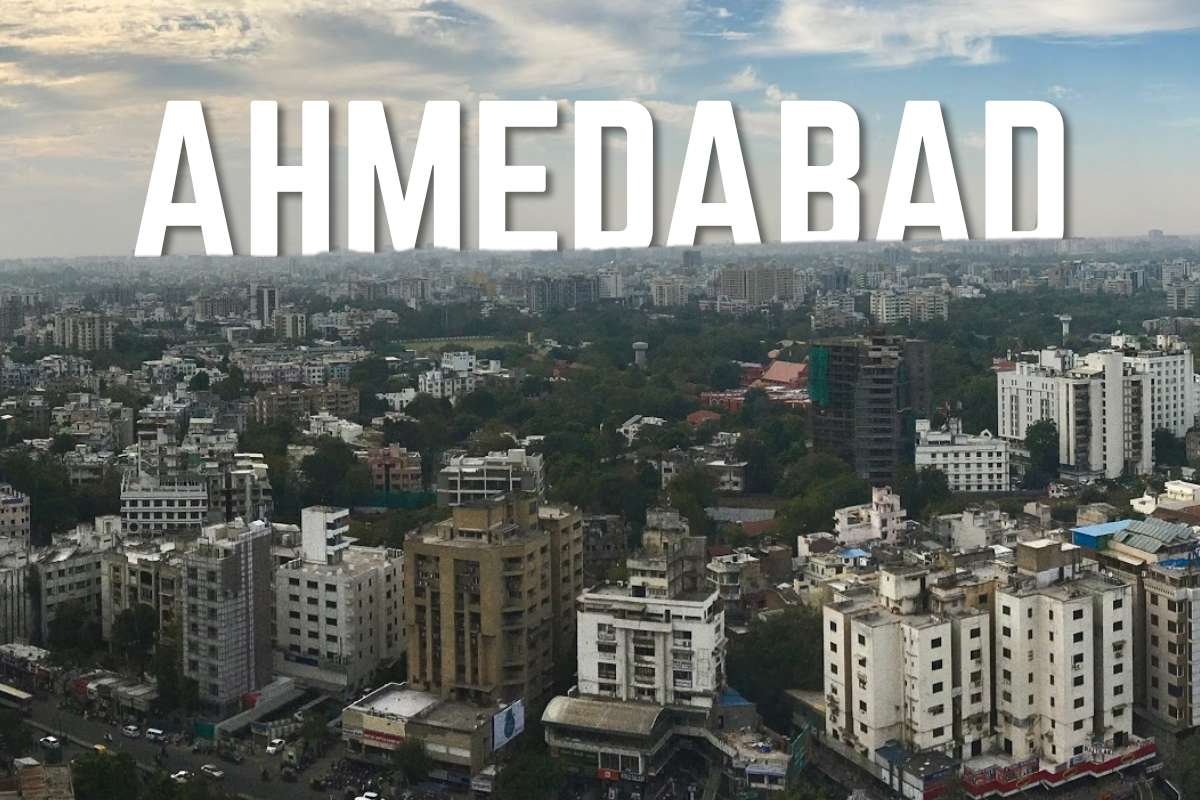
- Traffic congestion level: 49%
- Avg. rush-hour speed: 20.7 km/h
- Time lost during rush hour per year: 106 hours
Rapid industrial growth has led to a surge in car registrations in recent years. Commuters now spend about 106 hours annually idling in traffic, mostly along the S.G. Highway and commercial stretches. A 10-kilometre drive takes nearly 34 minutes during the peak rush. Noise levels in residential areas often rival those in industrial zones because of constant honking and engine roar. The lack of a grid-style road network makes every minor accident a reason for a city-wide delay.

How to Solve Traffic Congestion in the Busiest Cities in India?
To solve the issue of traffic congestion, several strategies can help clear the roads and make commuting less of a struggle. Experts suggest focusing on a mix of policy changes, infrastructure upgrades, and better public habits.
➣ Managing Vehicle Volume
One direct way to ease the pressure is to cap the number of new vehicle registrations. Since road capacity is limited, a quota system can prevent the car population from exploding further.
Another effective tool is congestion pricing, where drivers pay a fee to enter the busiest parts of the city. This encourages people to leave their cars at home and generates money to fund better bus and metro systems.
➣ Improving Infrastructure and Technology
Building upward can bypass the ground-level mess. Elevated roads and multi-tier highways add more space without needing more land. Using AI to manage traffic signals can also prevent the long jams that happen when lights fail or are poorly timed.
Smart signals can “see” which side has more cars and adjust accordingly. Additionally, providing dedicated parking lots in market areas prevents people from leaving cars on the street, which currently blocks entire lanes of many of the busiest cities in India.
➣ Shifting Daily Habits
Decentralising government offices can move thousands of employees away from the city centre, spreading the traffic load more evenly. Providing incentives, such as tax breaks or workplace rewards for using public transport, can also pull people off the roads.
Finally, strictly penalising those who drive on the wrong side or park illegally is essential. Simple public awareness about following lane discipline and avoiding peak-hour travel for non-essential trips can make a noticeable difference for everyone.
Conclusion:
The daily grind in a crowded city often feels like a test of the human spirit. The fumes of the morning bus, the sea of red brake lights at night, and the struggle for space are a shared reality of us all.
Yet, by choosing smarter travel habits and pushing for better road planning, we can slowly reclaim our time.
Transforming the busiest cities in India into places that actually move depends on both better systems and our own patience. It starts with one less car and one smoother journey for everyone.
FAQs
1. Why is road space so limited in older metros?
Colonial-era layouts in places such as Kolkata dedicate only 6% of land to roads, which cannot handle modern vehicle volumes.
2. What is the main cause of long delays in the capital?
Massive urban sprawl in New Delhi forces millions into long-distance commutes that clog major highways for hours.
3. Why do we still see gridlock despite new flyovers?
Adding more lanes often invites more cars, eventually filling the new space and returning the busiest cities in India to a standstill.