


Centuries ago, brave people carved giant logs into longboats to explore and protect their homes. These early sailors used oars and wind to move across the water, often for months at a time.
Over many years, these simple boats grew into massive wooden ships with dozens of heavy metal cannons. This long journey of building better vessels led us to the biggest warships in the world that we see on the news today.
Later on, builders swapped wood for strong iron and added steam engines to move without the wind. These ships became so powerful that they could hit targets from miles away with huge guns.
Each new design tried to be faster and stronger than the ones that came before it. This constant race for power is why we now have the largest warships protecting the seas.
The 10 Biggest Warships in the World You Must See
Now let’s talk about the largest warship in the modern world. The 21st century has seen some extreme technological advancements. This advancement is clearly visible in the ships that we will discuss.
To rank these warships, we have taken into consideration two things, i.e., length and full load displacement.
Full-Load Displacement measures the total weight of the ship, including the crew, fuel, water, and all weapons, when it is sitting at its deepest point in the water.
Length of Warship is the total distance measured from the very front tip of the bow to the back of the stern to determine its size in port.
So based on these two, here are the biggest warships in the world:
| SR. No | Warship/Class | Country | Length (m) | Full-Load Displacement (tons) |
|---|---|---|---|---|
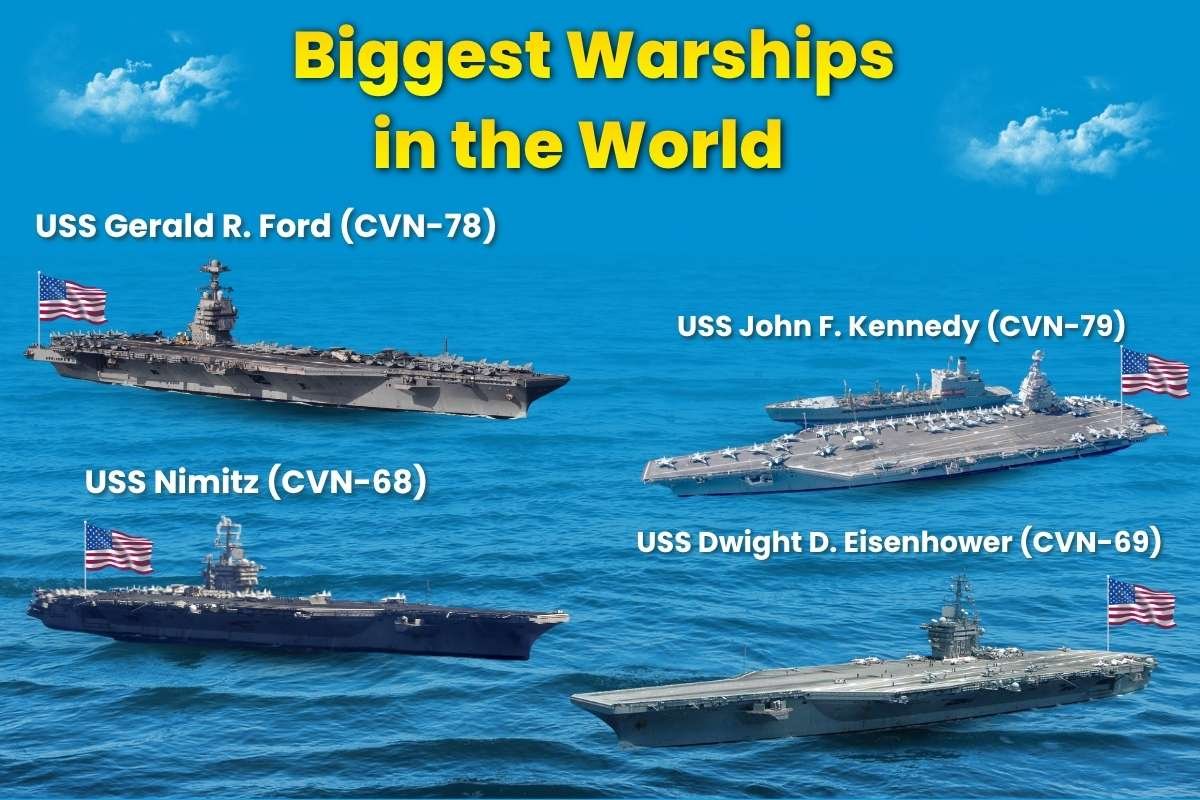
| 1 | USS Gerald R. Ford (CVN-78) | USA | 337 | 100,000 |
| 2 | USS John F. Kennedy (CVN-79) | USA | 337 | 100,000 |
| 3 | USS Nimitz (CVN-68) | USA | 333 | 100,000 |
| 4 | USS Dwight D. Eisenhower (CVN-69) | USA | 333 | 100,000 |
| 5 | CNS Fujian (Type 003) | China | 316 | 85,000 |
| 6 | Shandong (Type 002) | China | 315 | 66,000–70,000 |
| 7 | Liaoning (Type 001) | China | 306 | 66,000 |
| 8 | HMS Queen Elizabeth | UK | 284 | 65,000–80,000 |
| 9 | INS Vikrant | India | 262 | 45,000–50,000 |
| 10 | Charles de Gaulle | France | 261 | 42,500 |
1. USS Gerald R. Ford (CVN-78)
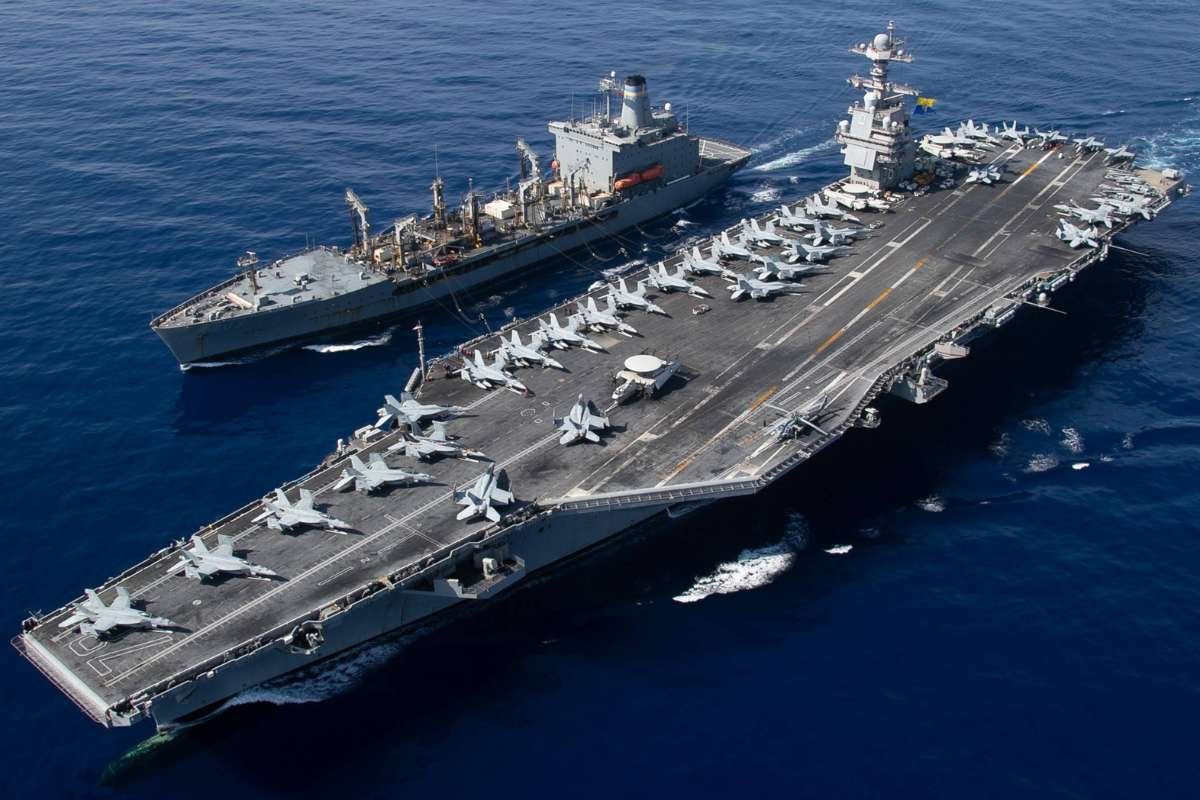
- Country: United States
- Crew Complement: ~4,300–4,600 (ship’s company ~2,600 + air wing)
- Full load displacement: 100,000 tons
- Length: 337 m (1,106 ft.)
This ship honours the 38th President and officially joined the Navy in 2017. It took many years to build in Virginia and cost billions of dollars to complete with the newest gear. Currently, it is leading a group of other ships in the Mediterranean to help keep peace during a time of high tension. Because of its massive deck and high-tech tools, it is officially known as the biggest warship in the world.
2. USS John F. Kennedy (CVN-79)
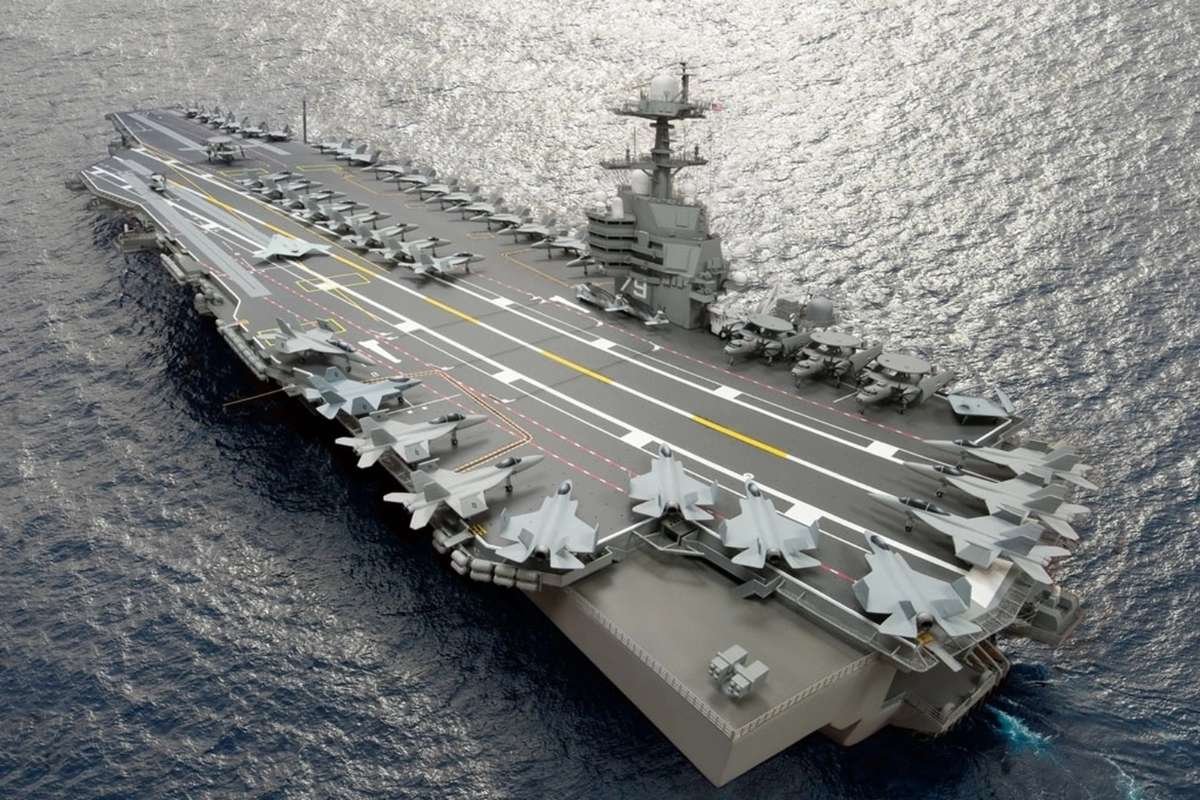
- Country: United States
- Crew complement: ~4,300–4,600 (ship’s company ~2,600 + air wing)
- Full load displacement: 100,000 tons
- Length: 337 m
This carrier is named after the 35th President and is the second ship built in its advanced class. Builders worked for a long time to finish its huge hull before it finally set sail for its first tests in early 2026. The Navy expects to take full control of the vessel by 2027 once all the flight and safety drills are done. It is designed to carry the most modern stealth jets and will likely spend its life patrolling the Pacific Ocean.
3. USS Nimitz (CVN-68)
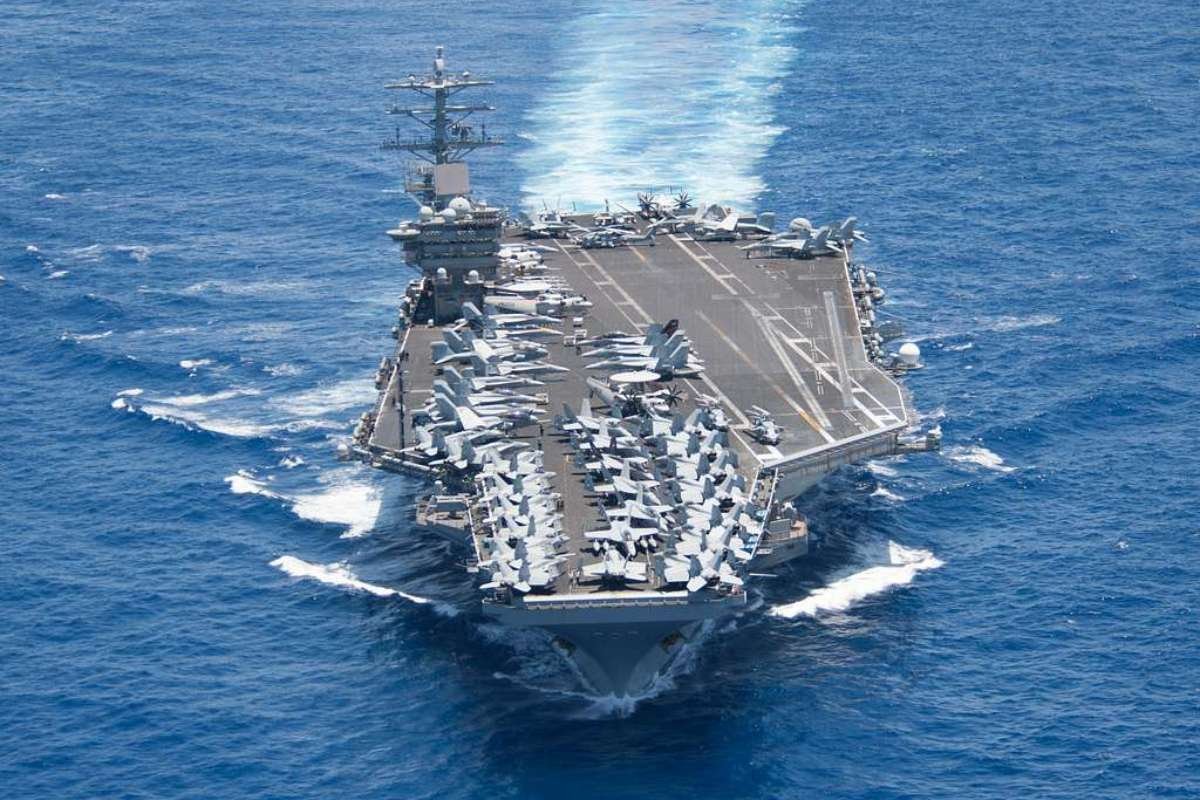
- Country: United States
- Crew complement: ~5,000–6,000 (ship’s company ~3,200 + air wing)
- Full load displacement: 100,000 tons
- Length: 333 m
Named after a famous admiral from World War II, this ship first hit the water in 1972 and joined the fleet in 1975. For over fifty years, it acted as the main power in the Pacific and served in many major conflicts, like the Gulf War. On March 7, 2026, the ship left its home in Washington for the very last time to move to a new base in Virginia. This historic journey marks the final chapter for the legendary vessel as it prepares to retire after decades as the largest warship in the world.
4. USS Dwight D. Eisenhower (CVN-69)
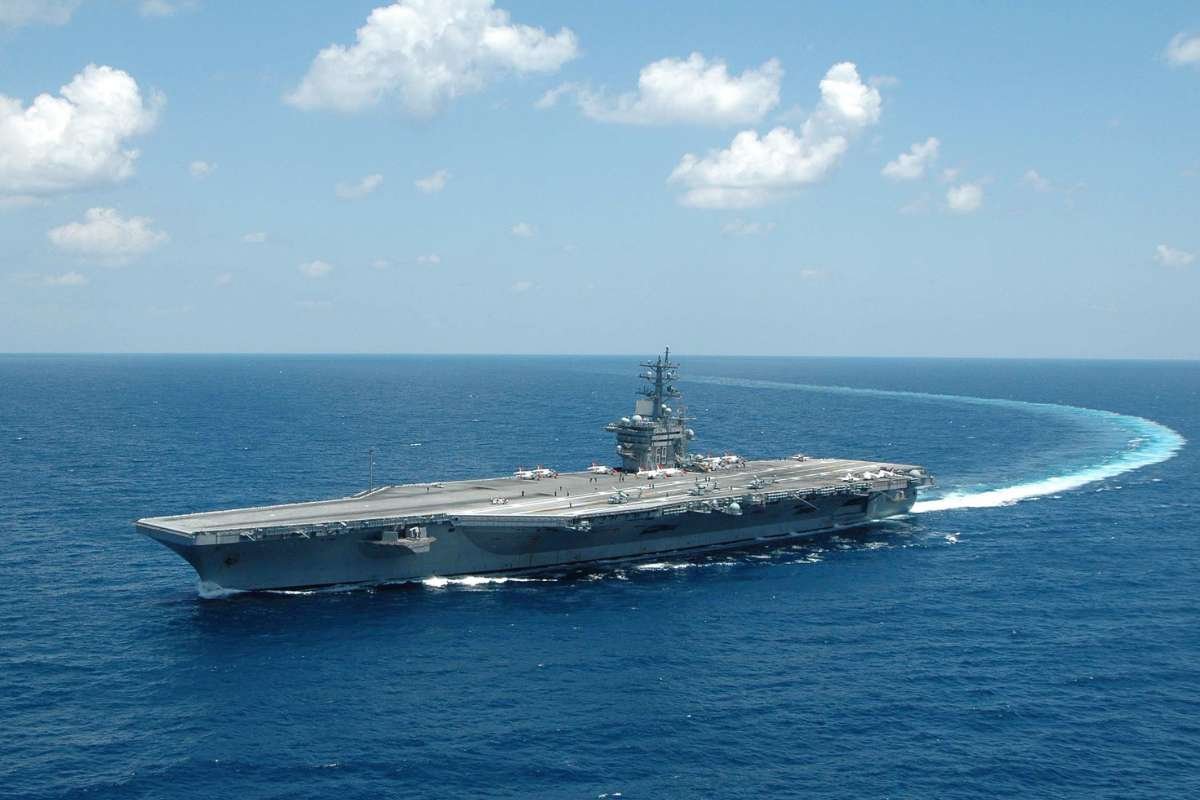
- Country: United States
- Crew complement: ~3,200 ship’s company + 2,480 air wing
- Full load displacement: 100,000–104,000 tons
- Length: 333 m
This vessel entered the Navy in 1977 and was the first to have a permanent crew of both men and women. It has a long history of fighting in many wars, from the early 1990s to recent missions in the Middle East. Right now, the ship is busy in the Red Sea protecting trade routes and keeping the ocean safe from nearby conflicts. It remains a key part of the fleet and shows how a massive ship can stay active and strong for nearly fifty years.
5. CNS Fujian (Type 003)
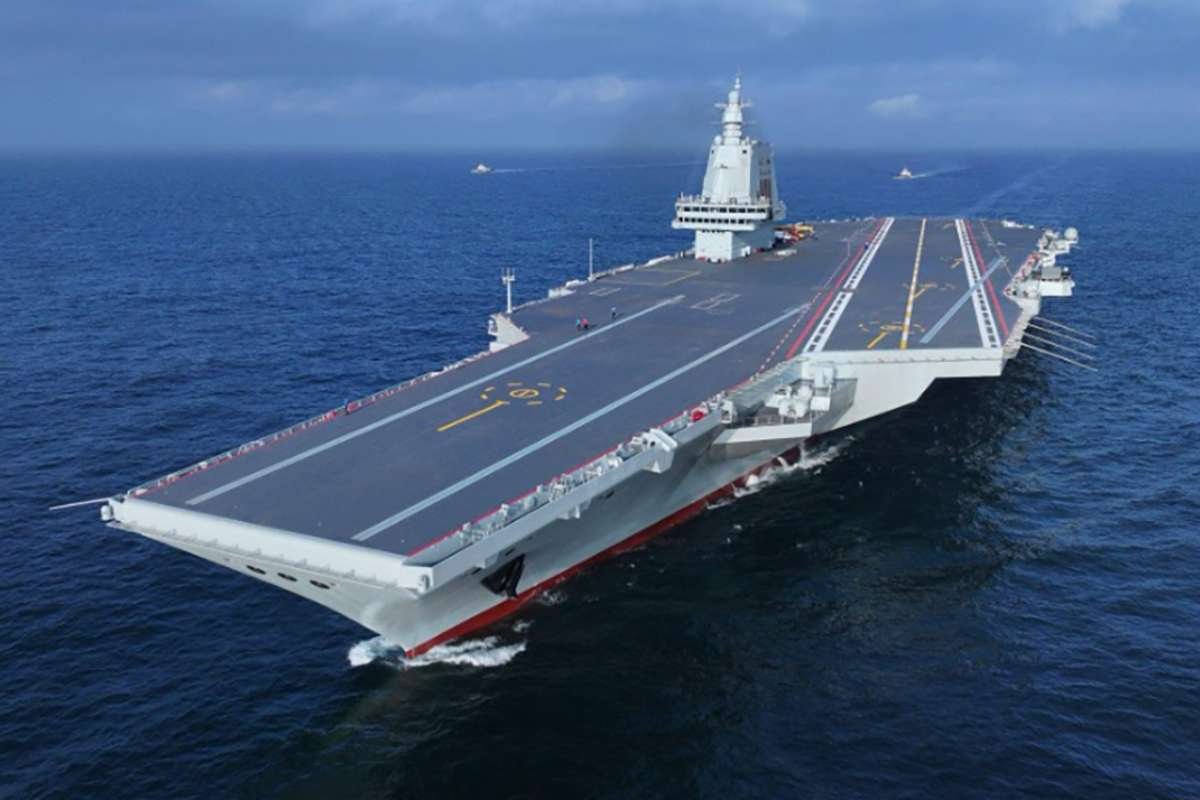
- Country: China
- Crew complement: ~3,000–4,000 (estimated)
- Full load displacement: ~85,000 tons
- Length: 316 m
The Fujian is China’s newest carrier and was built entirely with the country’s own designs and tools. It officially joined the Navy in late 2025 during a large ceremony with the nation’s top leaders. In early 2026, the ship began its first major mission to test out its new catapults and advanced stealth fighters. This ship is a huge step forward for China and is the biggest warships in the world ever built outside of the United States.
6. Shandong (Type 002)
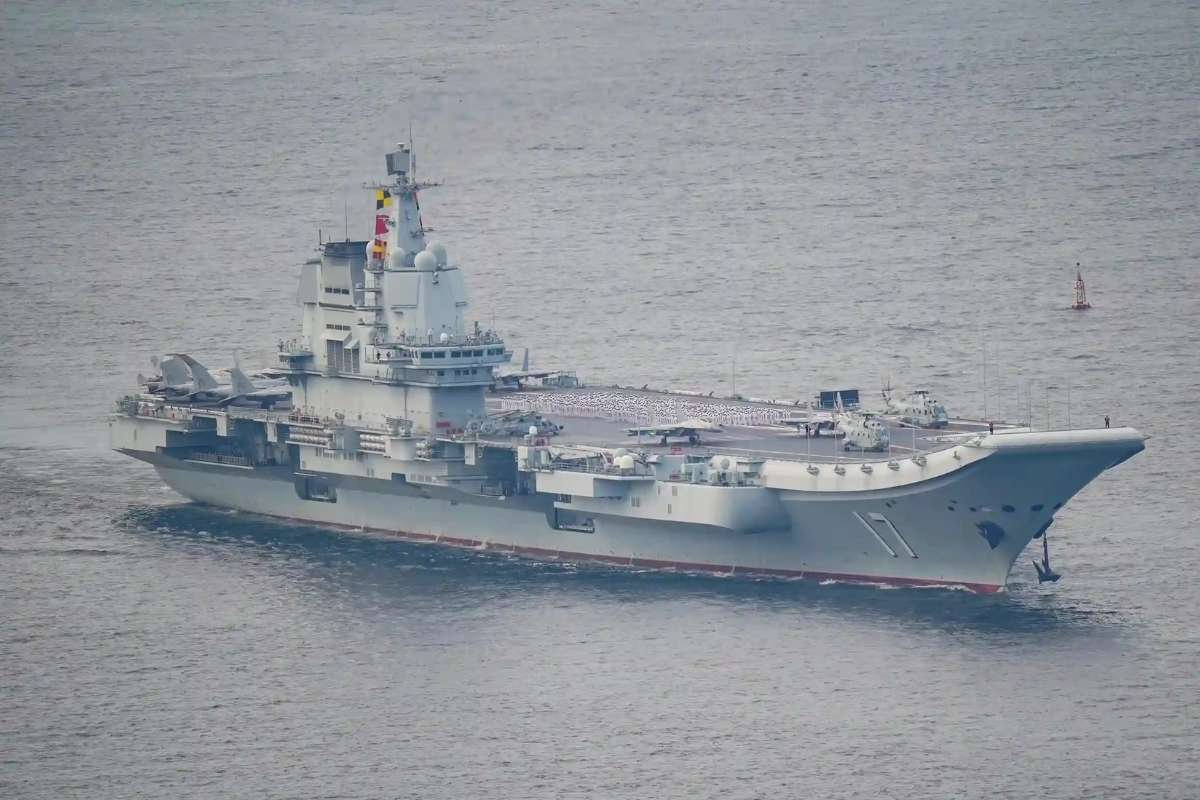
- Country: China
- Crew complement: ~2,300
- Full load displacement: 66,000–70,000 tons
- Length: 305 m
The Shandong is the first carrier built entirely by China and officially joined the Navy in 2019. It was designed with a larger flight deck and better radar systems than older models. In early 2026, the ship participated in major drills to test how well its crew could launch many jets in a short time. This vessel represents a huge step for the country as it learns to build its own powerful tools for the sea.
7. Liaoning (Type 001)
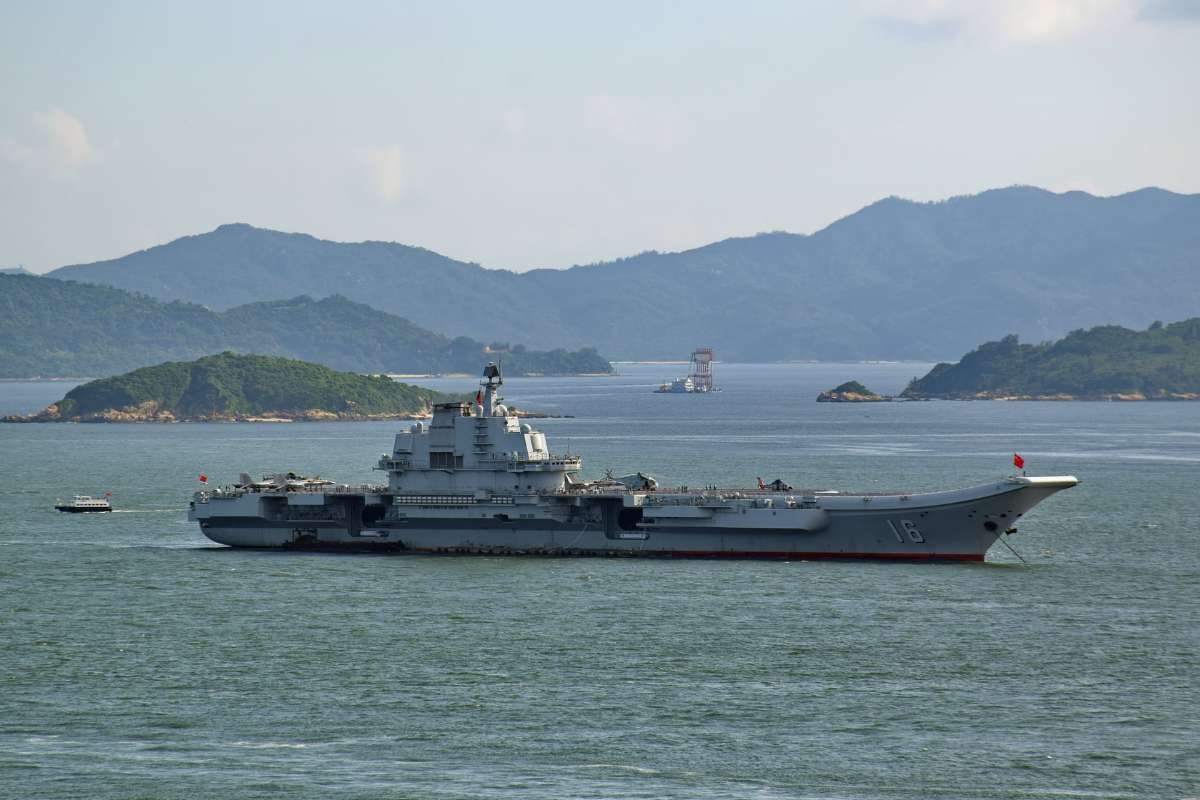
- Country: China
- Crew complement: ~1,960 + 626 air group + 40 flag
- Full load displacement: 66,000 tons
- Length: 304 m
This ship began as an unfinished Soviet vessel before being bought and moved to China for a complete rebuild. It was commissioned in 2012 as a training ship to help sailors learn how to handle flights on a moving deck. By 2026, the Liaoning had transitioned into a full combat role, often leading groups of ships in the Pacific Ocean. Its journey from a rusted shell to an active warship is a unique part of naval history.
8. HMS Queen Elizabeth
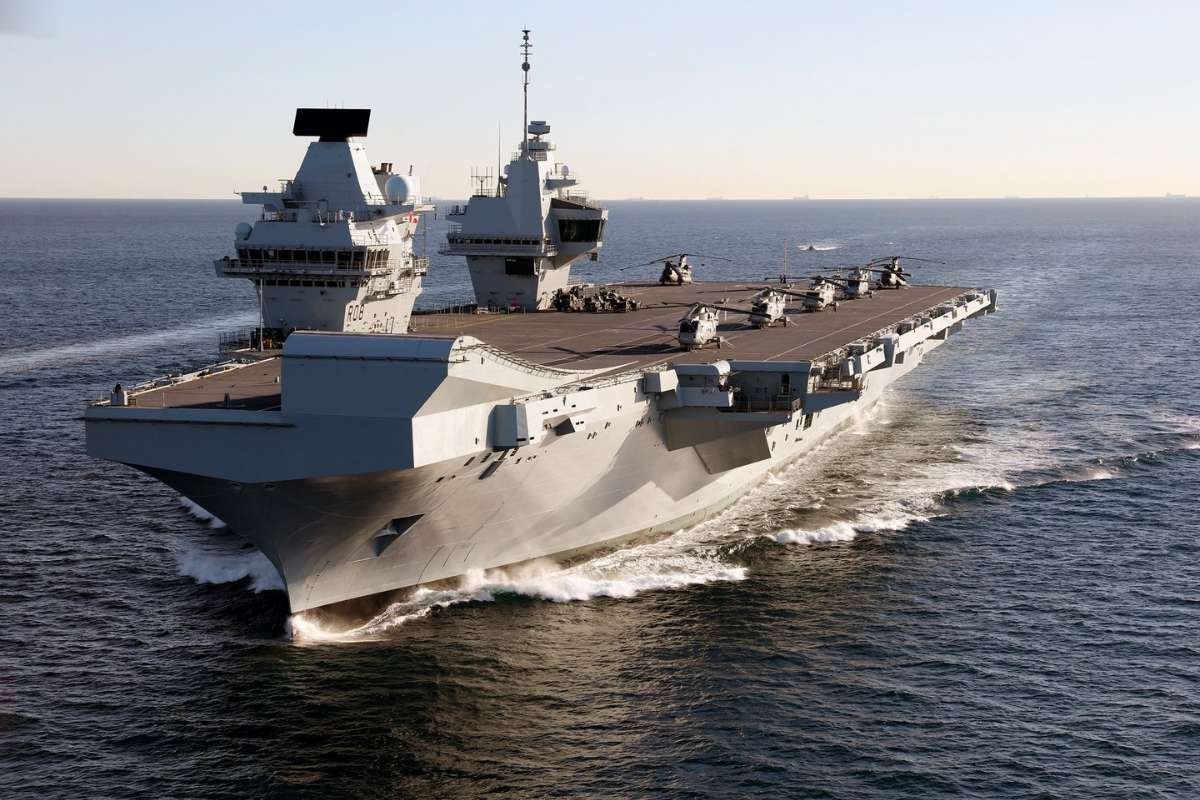
- Country: United Kingdom
- Crew complement: ~1,600 core crew + up to 700 embarked forces
- Full load displacement: 65,000–80,000 tons
- Length: 280 m
This is the largest warship ever built for the United Kingdom and first hit the water in 2017. It features a unique design with two towers on the deck to help the crew manage both the ship and the jets. In March 2026, the carrier group prepared for new missions to protect vital global trade routes near the Middle East. It remains the pride of the Royal Navy and a key symbol of British power around the world.
9. INS Vikrant
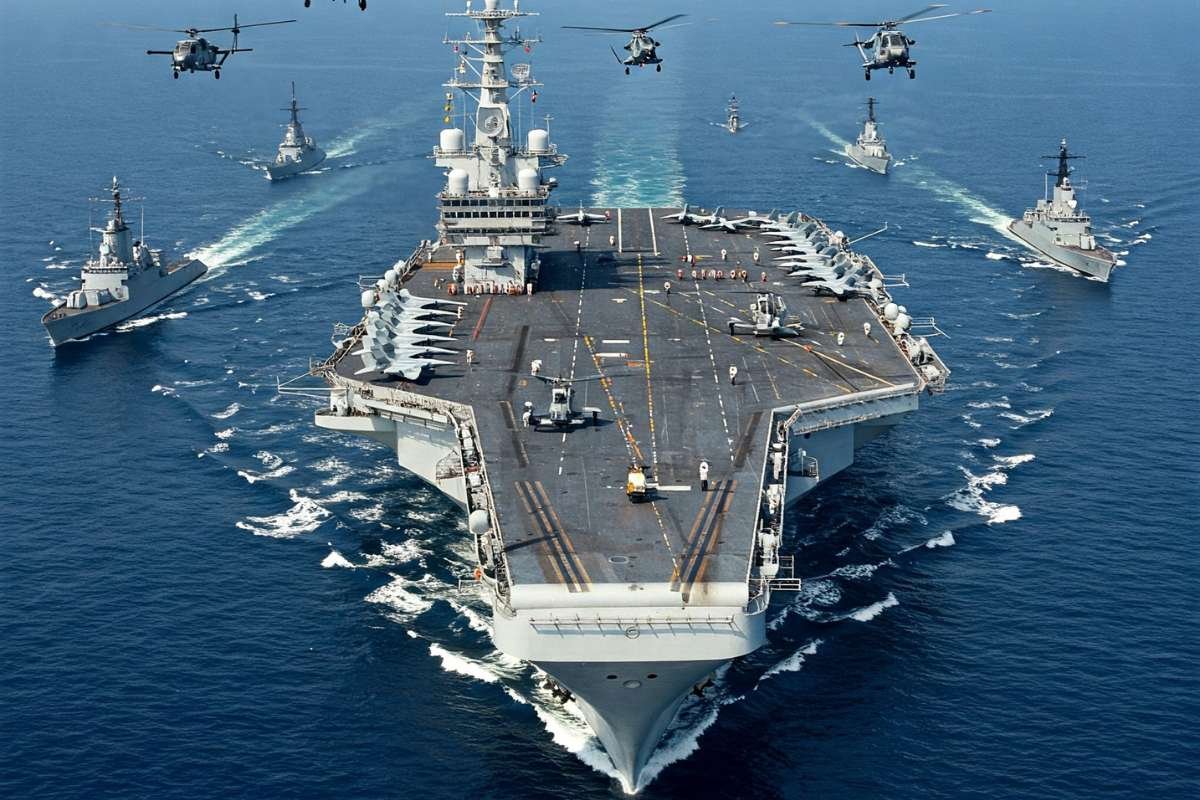
- Country: India
- Crew complement: ~1,600–1,645
- Full load displacement: 45,000 tons
- Length: 262 m
The Vikrant is the first carrier designed and built in India, and it officially joined the Navy in late 2022. It took many years of work by local engineers and thousands of workers to finish this massive project. During the International Fleet Review in early 2026, the ship served as a centrepiece to show off the nation’s growing maritime strength. Building such a vessel shows the immense effort required to create the biggest warships in the world using only local resources.
10. Charles de Gaulle
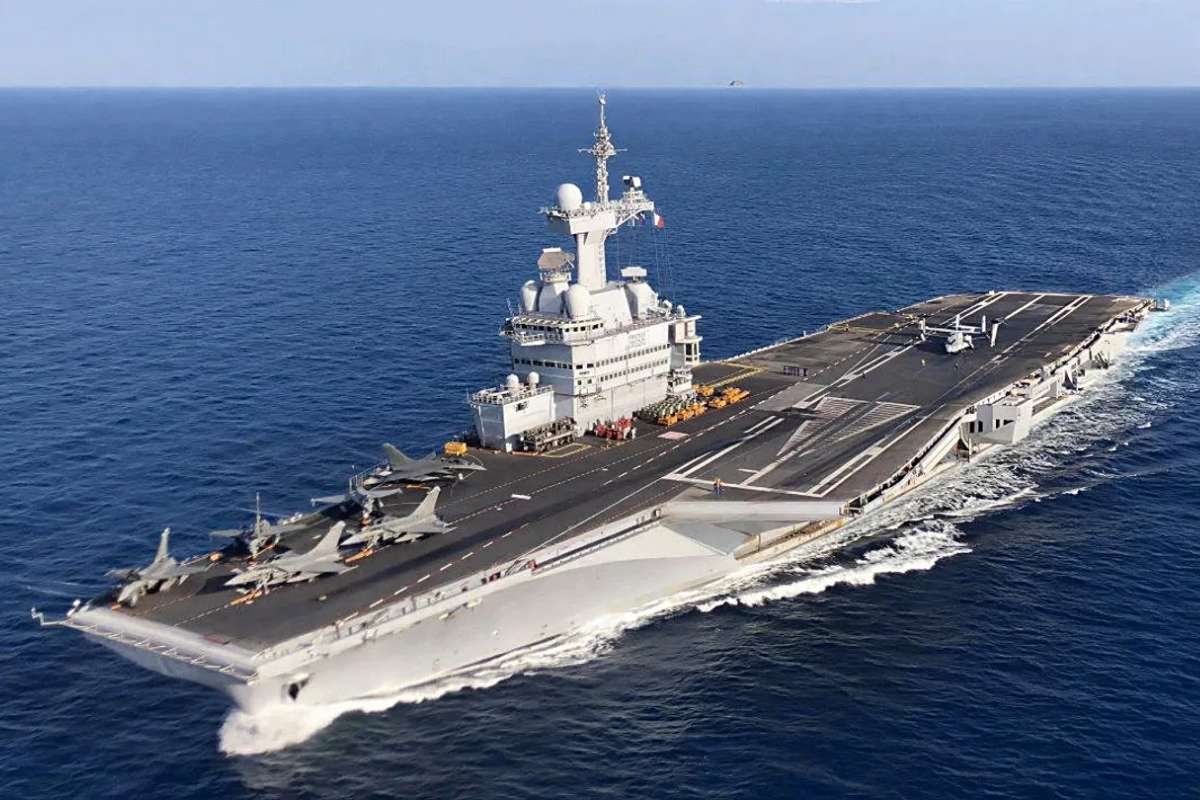
- Country: France
- Crew complement: ~1,950 + 700 air group
- Full load displacement: 42,500 tons
- Length: 261.5 m
This French ship is unique because it is the only nuclear carrier in the world not owned by the United States. It joined the fleet in 2001 and has a long history of serving in missions to stop conflicts in the Middle East. On March 3, 2026, the ship received orders to move from the Baltic Sea to the Mediterranean to help allies during a time of high tension. It remains a very powerful vessel that can stay at sea for a long time without needing to stop for fuel.
The 5 Eras That Shaped the Biggest Warships in History
Around 1500 BC, people in Egypt and Phoenicia began building the first warships to protect their trade in the Mediterranean. These early boats used heavy beams to ram into other vessels during battles at sea.
Later, the Greeks built fast triremes with three rows of oars that could move very quickly through the water.
The Romans also created larger ships that were strong enough to carry many soldiers across the ocean. These ancient designs were the first steps toward building the biggest warships in the world that we see today.
Medieval Period
Between the 8th and 11th centuries, Viking longships became famous for being light and fast during coastal raids. Over time, builders in Europe created larger ships with bigger sails to carry more supplies and weapons.
In warmer waters, the Byzantine fleet used special fire to defeat their enemies in battle. By the late 1500s, ships began to carry early cannons along with rows of oars to help them fight more effectively.
Each of these changes helped sailors learn how to manage larger and more powerful vessels on the open sea.
Age of Sail
From the 16th to the 19th century, huge wooden ships like the HMS Victory ruled the waves with many rows of heavy guns. These vessels were designed to fire all their cannons at once from the side to defeat other fleets. As time went on, builders realised that wood was not strong enough to stop new types of shells.
In the late 1800s, they started using steel hulls to make ships much tougher and larger than ever before. This shift to metal changed naval history forever and allowed for the birth of the biggest warships in the world.
Modern Developments
In 1906, a ship called the HMS Dreadnought changed everything by using huge guns and powerful steam engines. This design was so much better than older ships that it started a race between nations to build the best fleet.
During the World Wars, massive battleships like the Yamato were built, but soon aircraft carriers and submarines became the most important tools.
Today, modern ships use missiles and stealth technology to stay hidden while protecting the ocean. Looking at these advanced vessels shows how far we have come from the simple wooden boats of the past.
Reference & Sources: https://www.academia.edu/102692769/Evolution_of_Warships_From_Ancient_Galleys_to_Modern_Naval_Powerhouses
Conclusion:
The journey from ancient wooden boats to modern steel giants shows our incredible drive to protect the seas. For thousands of years, we have built larger and more powerful vessels to guard trade and maintain peace.
Today, nuclear power and advanced jets allow these ships to stay at sea for many months. Each new design represents the peak of human skill and teamwork. As world events continue to change, the biggest warships in the world remain a vital tool for global safety and modern history.
FAQs
1. Do the biggest warships in the world use fuel?
It uses two nuclear reactors to move through the water. This allows the ship to sail for twenty years without needing to stop for fuel.
2. How fast can the world’s biggest warship travel?
The ship can sail at speeds over 30 knots, which is about 35 miles per hour. This is very fast for a vessel of its massive size.
3. Where is the biggest warships in the world right now?
The ship is currently operating in the Middle East to help keep trade routes safe. It moved there in early 2026 to support global peace missions.