

Key Points:
- CPI basket expanded to 358 items, adding services, digital consumption, and rural house rent.
- India revises base year for GDP, CPI, and industrial output to reflect current economic patterns.
- MoSPI upgrades methodology with e-commerce price collection and regular survey cycles for accuracy.
India is revising the base year for key economic indicators, including the consumer price index, gross domestic product, and industrial output, to better reflect changes in the economy. The Ministry of Statistics and Programme Implementation (MoSPI) will now follow a regular cycle of updating the base year every three to five years.
Regular Revisions To Improve Accuracy And Transparency
The move aims to make the statistical system more responsive to structural shifts in the economy and boost confidence among users of official data. GDP base year revisions are planned every five years, while household consumption surveys will now be conducted every three years. These updates are designed to ensure that economic indicators remain relevant to current consumption and production patterns.
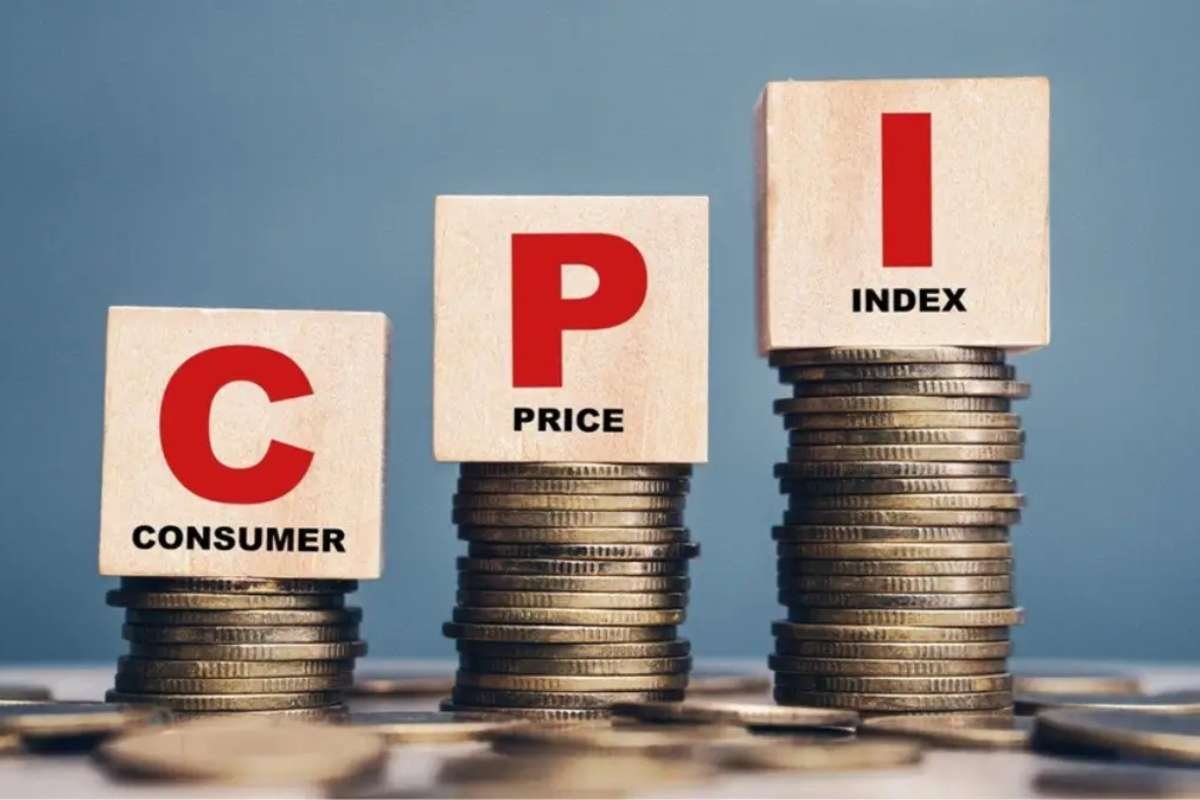
The CPI base year is being updated after more than a decade, based on the 2023/24 Household Consumption Expenditure Survey. The revised CPI series will expand the basket to 358 weighted items from 299. The updated basket will include greater coverage of services and modern consumption items, as well as the addition of rural house rent for the first time. This change will better capture shifts in spending across food, housing, and services.
MoSPI will also release the data and a linking factor to maintain continuity with the previous series. These methodological updates aim to provide a clearer and more accurate picture of retail inflation and household spending trends.
Changes In Consumption Patterns And Price Collection
Recent surveys indicate a decline in the share of food in household spending. In urban areas, food accounts for 39.7 percent of total expenditure, down from 43 percent in 2011-12. In rural households, food spending has dropped to 47 percent from 53 percent over the same period. The revised CPI basket will reflect these shifts, along with changes in the consumption of housing and services.
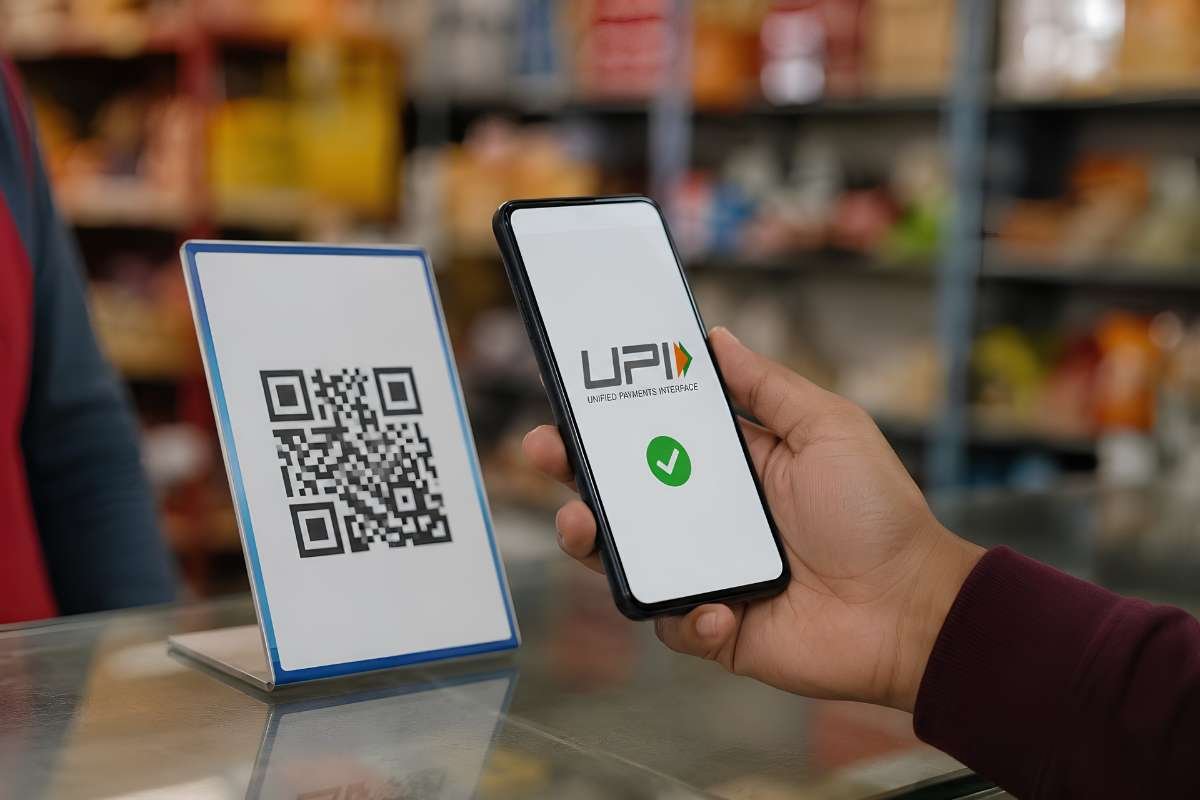
As part of methodology upgrades, MoSPI has begun collecting prices from digital and e-commerce platforms, including Amazon and Swiggy, across 12 cities with populations exceeding 2.5 million. Prices for airline tickets and online streaming services such as Netflix are also being added to the CPI basket. These additions aim to capture the growing role of digital consumption in household spending.
The revision comes at a time when India’s annual retail inflation is expected to rise for the third consecutive month to 2.4 percent in January, influenced by higher food prices and increases in gold and silver costs. By updating the CPI basket and revising the base year for GDP and industrial output, the government aims to ensure that reported economic indicators reflect real-world changes in consumer behavior and market conditions.
The enhanced approach to data collection and the inclusion of modern spending categories are intended to provide a more comprehensive view of the economy, helping policymakers, businesses, and investors make informed decisions. The revised series will be released alongside back data, allowing users to analyse trends over time and understand the impact of changes in spending patterns on inflation and economic growth.