
Key Points:
- India, EU sign major free trade pact.
- Deal boosts mobility and services.
- Autos and food face tougher competition.
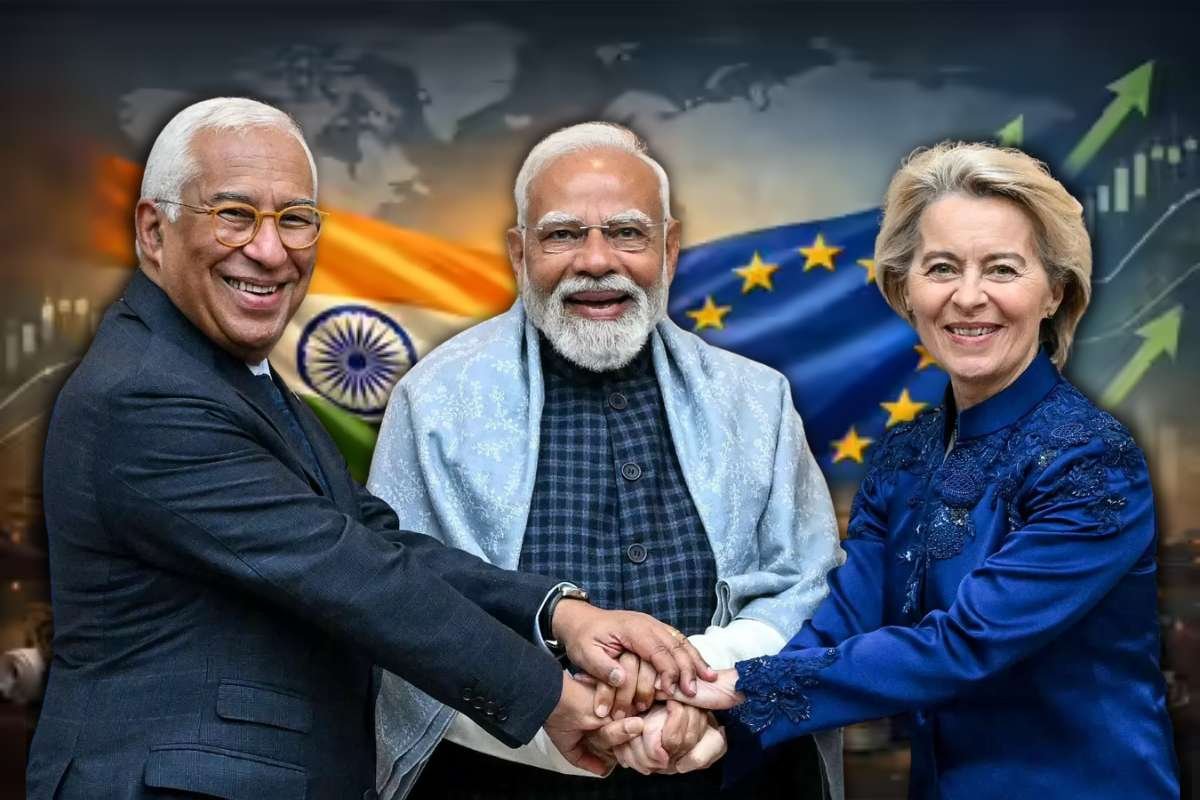
India and the European Union concluded a comprehensive free trade agreement on Jan. 27, 2026, at the 16th India-EU FTA Summit in New Delhi, cutting tariffs and easing professional mobility to deepen supply-chain ties.
Tariffs Slash Major Barriers
India and the pact with the 27-nation EU covers the vast bulk of goods by value and stages steep tariff reductions designed to broaden market access for exporters on both sides.
New Delhi said the accord eliminates duties on the majority of EU imports by value, and the India-EU FTA reciprocates for nearly all Indian exports, with many sensitive lines phased or safeguarded.
Textiles, apparel, leather goods, footwear, and gems and jewelry stand to gain immediate relief from duties, officials and industry groups say, offering India a potentially bigger share of European orders. Ranjeet Mehta of PHDCCI called the pact “a pivotal economic milestone” for the Indian industry.
Agreement Eases Professional Mobility
Beyond goods, the deal includes a mobility framework for professionals, students, and intra-company transferees that aims to simplify short-term work and study placements across Europe.
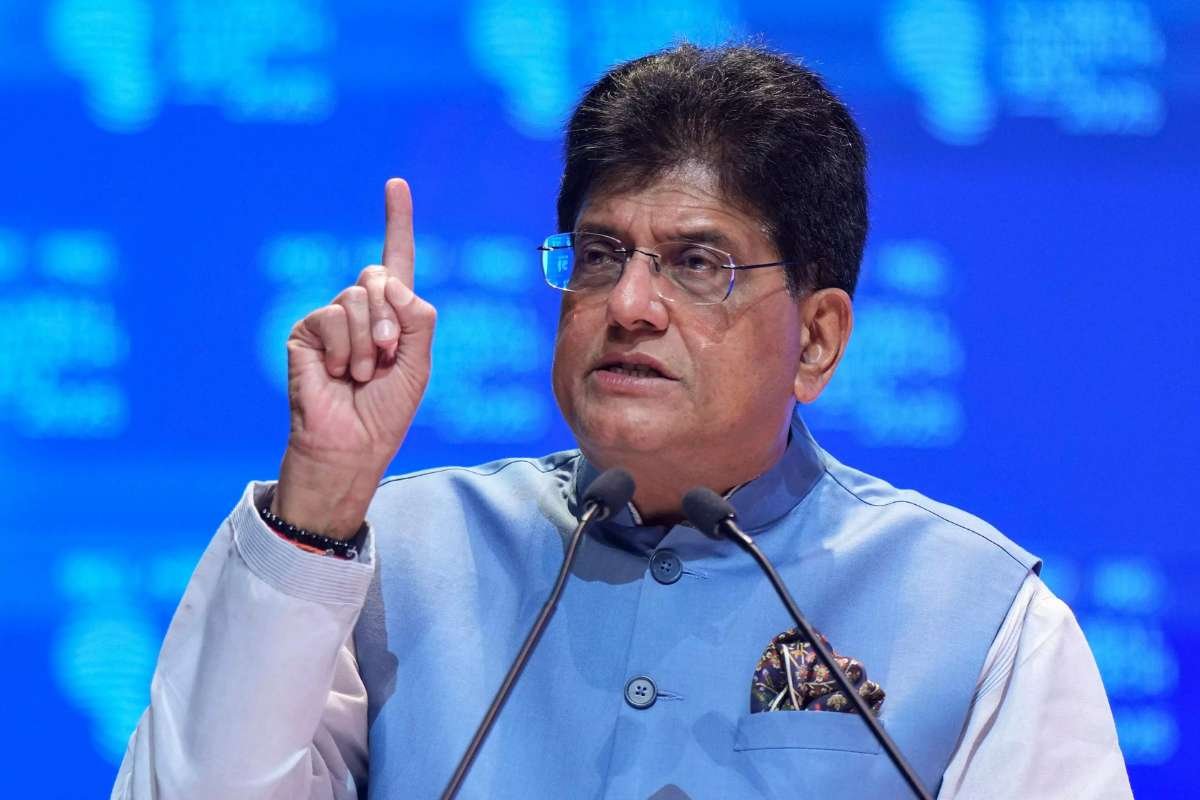
The services chapter expands access for IT, engineering, research, and education sectors, a move India’s trade ministry says will deepen ties in services while facilitating “brain circulation.” Commerce Minister Piyush Goyal calls the pact “the mother of all deals.”
Some Indian Industries Face Strain
Officials warn the deal will create winners and losers. Auto tariffs, now very high, are slated to fall sharply over several years, a change that could squeeze domestic mid- and premium-segment makers even as consumers gain choice.
Gourmet foods, wines, and spirits may face stronger competition as steep import levies decline, pressuring small domestic producers that lack scale and deep distribution. Industry bodies urge investment in competitiveness and export infrastructure to stay ahead.
Trade Scale and Strategic Stakes
Trade between India and the EU is already large: bilateral goods trade reached roughly $137 billion in 2024–25, with India exporting about $76 billion and importing $61 billion, according to government figures. The agreement links India more tightly to Western supply chains at a moment of global trade realignment.
European Commission President Ursula von der Leyen hailed the pact on social media as “the mother of all deals,” saying it creates a “free-trade zone” covering roughly two billion people. Analysts say the pact signals a strategic tilt as companies diversify suppliers beyond single-country concentration.
Implementation, Safeguards, and Next Steps
Officials say the text now moves to legal scrubbing, translation, and ratification by EU member states and the European Parliament before entry into force, a process that could take up to a year. Safeguards, quotas, and phased cuts for sensitive sectors remain part of the package to protect domestic producers.
Reaction From Business and Trade Groups
Industry chambers welcomed the deal but urged clarity on climate-related rules, including the EU’s carbon measures, which exporters say must be addressed to avoid new costs. EEPC India and other trade bodies warned unresolved carbon provisions could blunt gains for engineering and steel exports.
The India-EU FTA is likely to reshape Indian trade, talent flows, and industrial links with Europe for years, raising questions about competitiveness, regulation, and the balance between short-term disruption and long-term gain.
Visit Business Viewpoint Magazine for the latest information.